

REPORT
Editor
Dong-yeop Kang, Sa-eun Jung
Courtesy
Arch Seoul
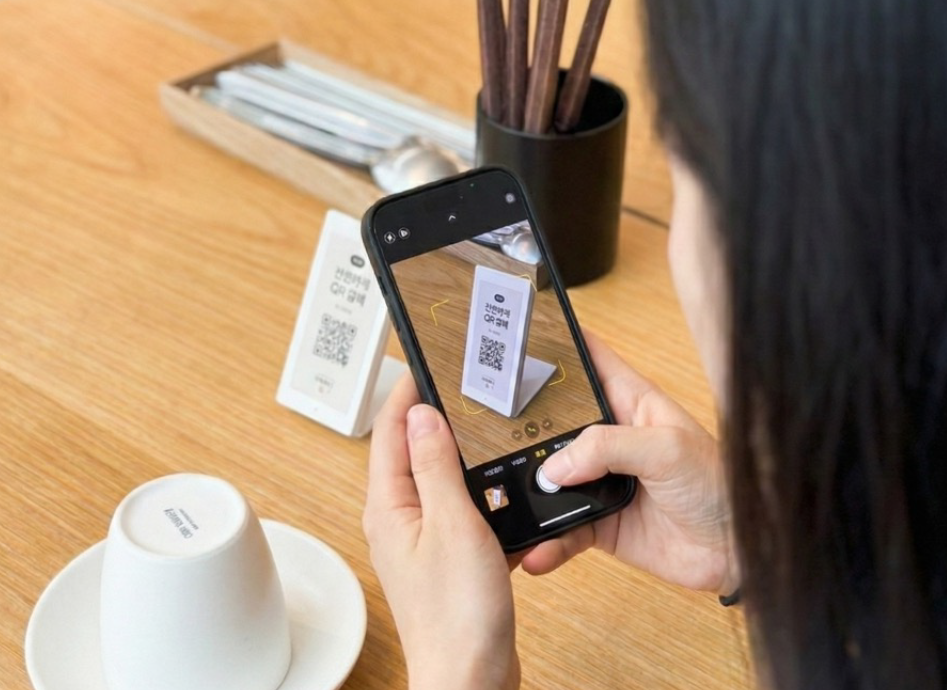
Startups Changing the Business of Space #1 — From Copyable QR Codes to Secure One-Time QR Codes, Arch Seoul
Scanning a QR code at a restaurant or hotel is already familiar. But a printed QR code can be copied with a single photo. Arch Seoul moved the QR code onto an e-paper display, where it refreshes at set intervals so copied versions quickly become invalid.
REPORT

Editor
Sa-eun Jung
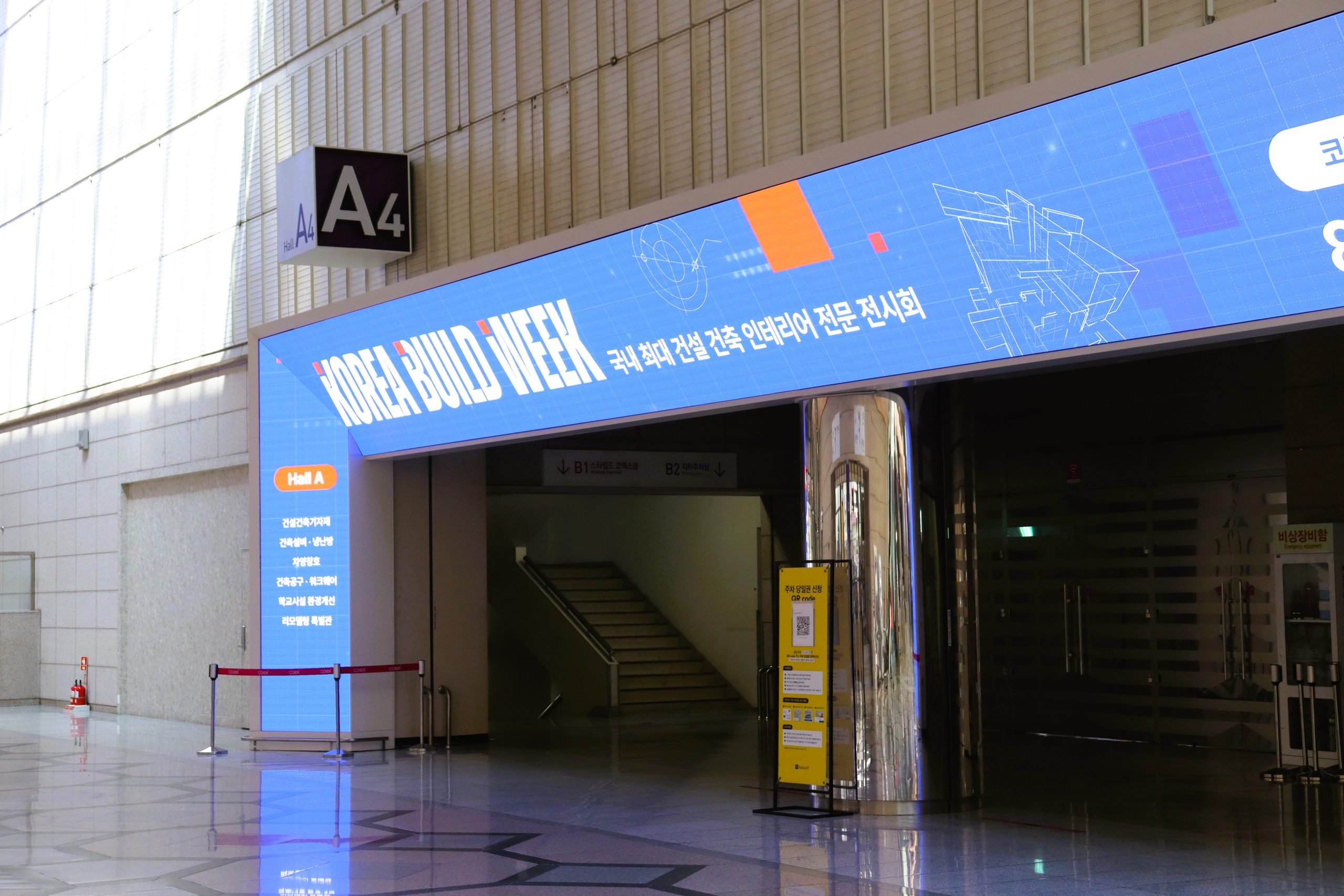
ㅣD-2ㅣCOEX IS TAKING SHAPE
Outside, the temperature hit 36°C. In the middle of a summer gripped by unprecedented heat, a different kind of intensity fills the closed exhibition halls at COEX. KOREA BUILD WEEK, a four-day gathering for the construction and architecture industry beginning August 5, is now taking shape.
REPORT
Editor
Sa-eun Jung
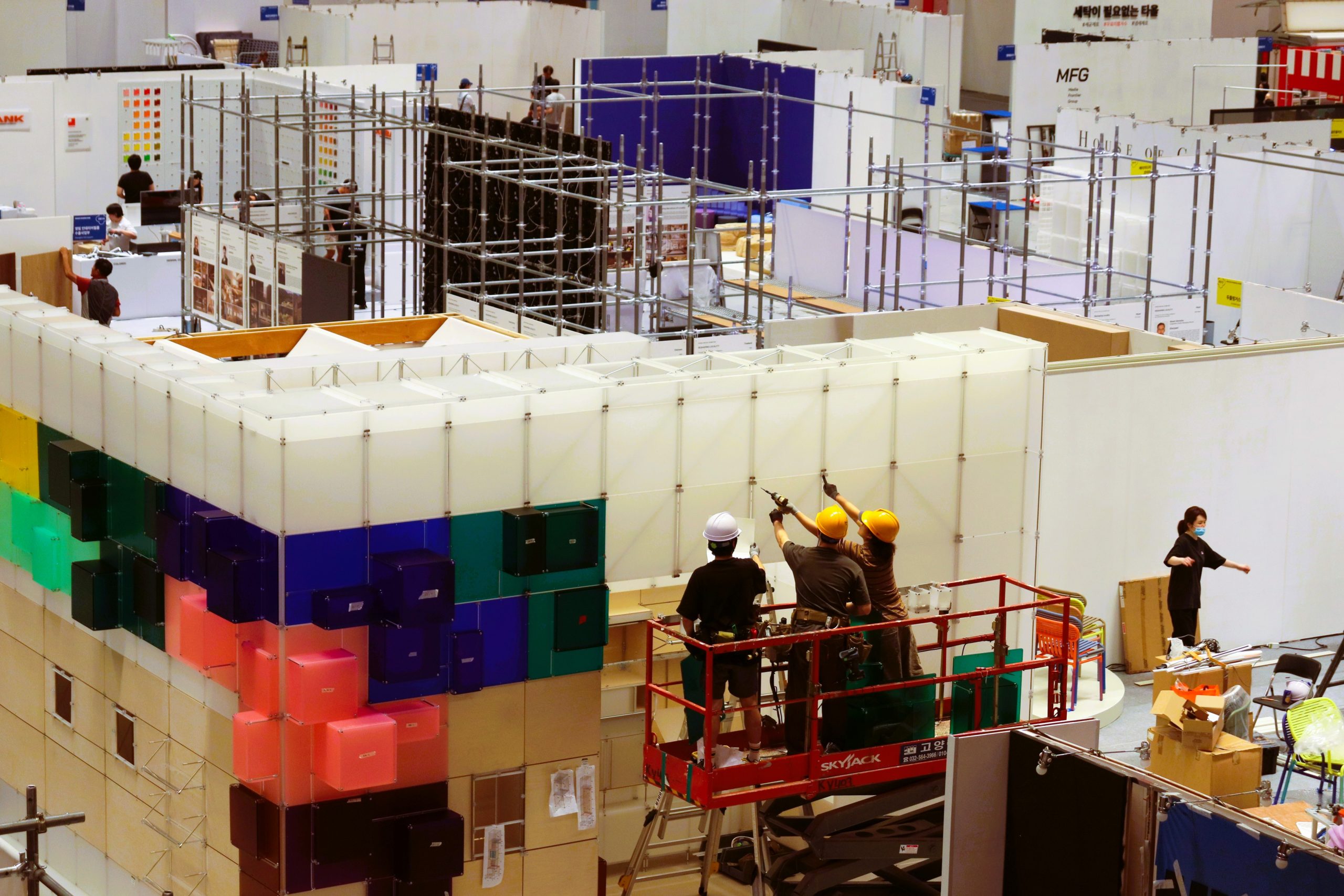
ㅣD-1ㅣ Touch It, Try It, Ask Anything
You can see plenty on a phone screen. But if you come to , do more: touch the materials, feel the textures, open and close things, test how they work, and ask whatever you want to know. The exhibition hall is still being set up for those encounters with visitors tomorrow.
REPORT
Editor
Ji-yeon Hwang
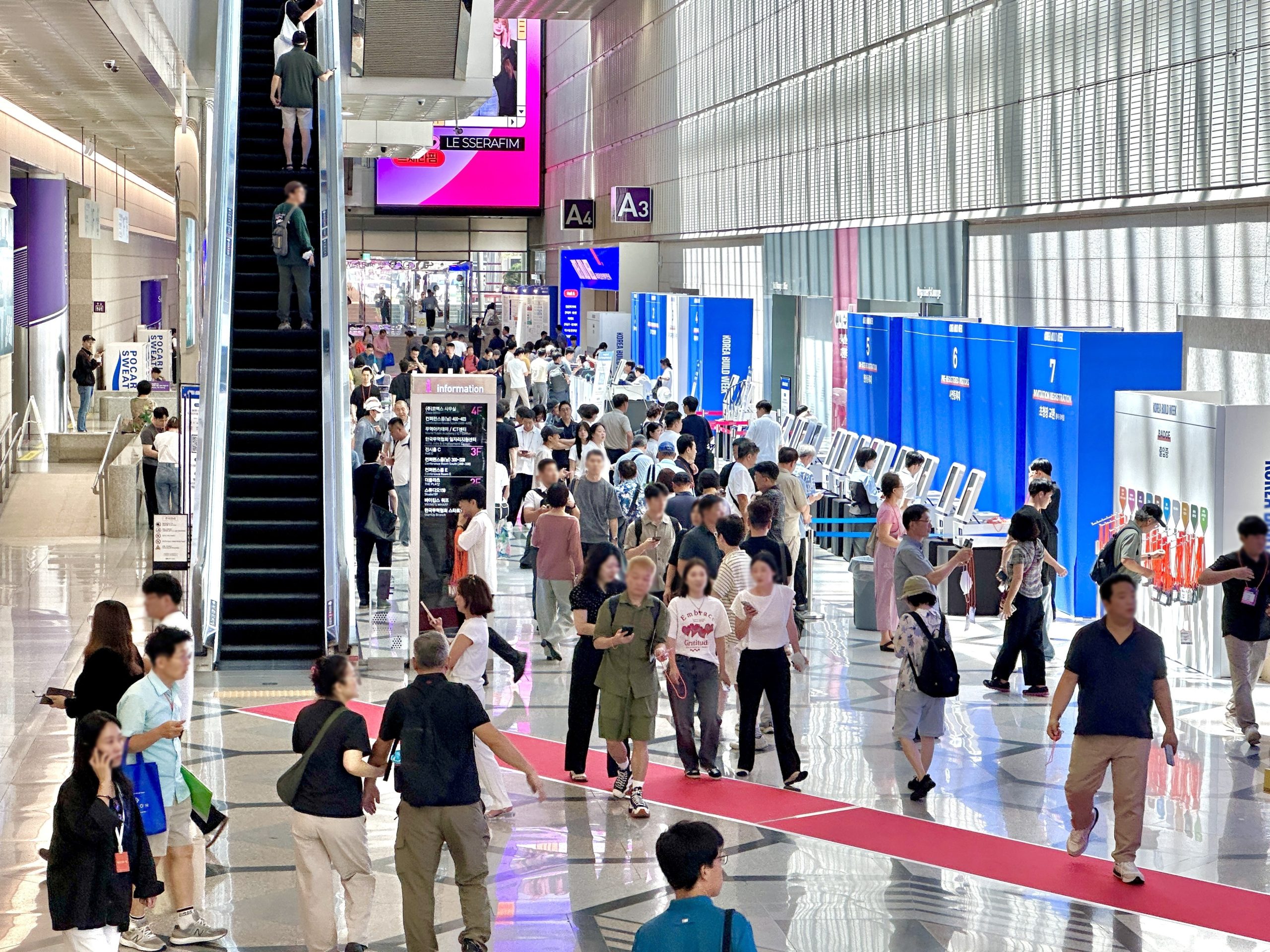
ㅣD-DAY ㅣ 2026 KOREA BUILD WEEK Opens at COEX — 600 Exhibitors, 1,900 Booths
2026 KOREA BUILD WEEK, Korea’s leading exhibition for construction, architecture, and interiors, opened at COEX in Seoul on Wednesday, August 5. Organized by MESSE ESANG, the exhibition brings together around 600 companies across 1,900 booths, showcasing products and solutions spanning building materials, construction technology, and interiors.
REPORT
Editor
Sa-eun Jung
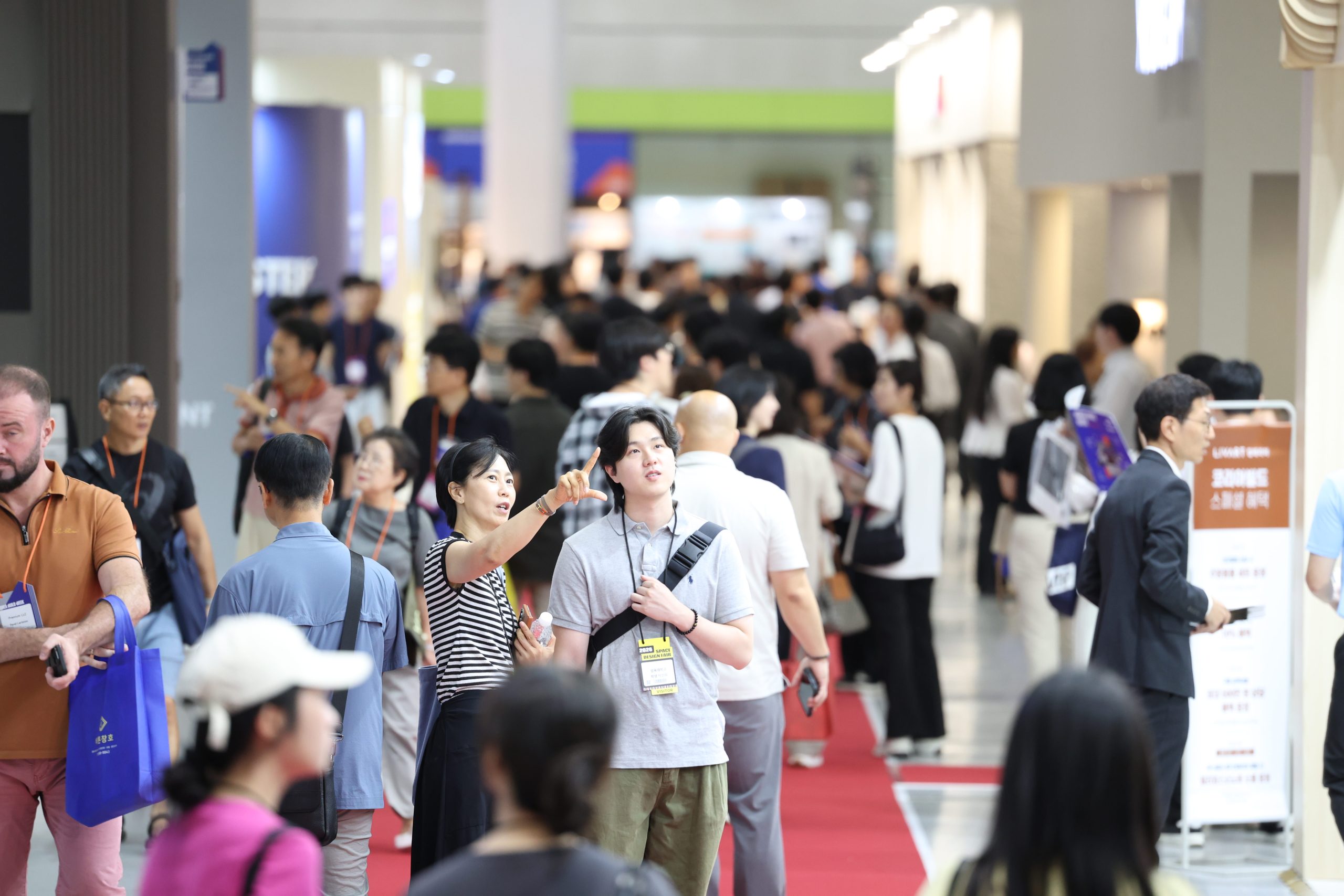
2026 Construction, Architecture & Interior Trends Found at KOREA BUILD
Recent trends in space, construction, and architecture are moving in two directions: faster and easier, or slower and more deliberate. They may seem opposite, but they stem from the same issue — skilled labor is shrinking while labor costs continue to rise. At , held at COEX in Seoul through Saturday, August 8, both trends can be seen side by side, along with the industry’s most focused solutions.
REPORT
Editor
Min-young Koo, Sa-eun Jung
Courtesy
Gole Robotics, IT-ONE, Donga Robotics, Spanner
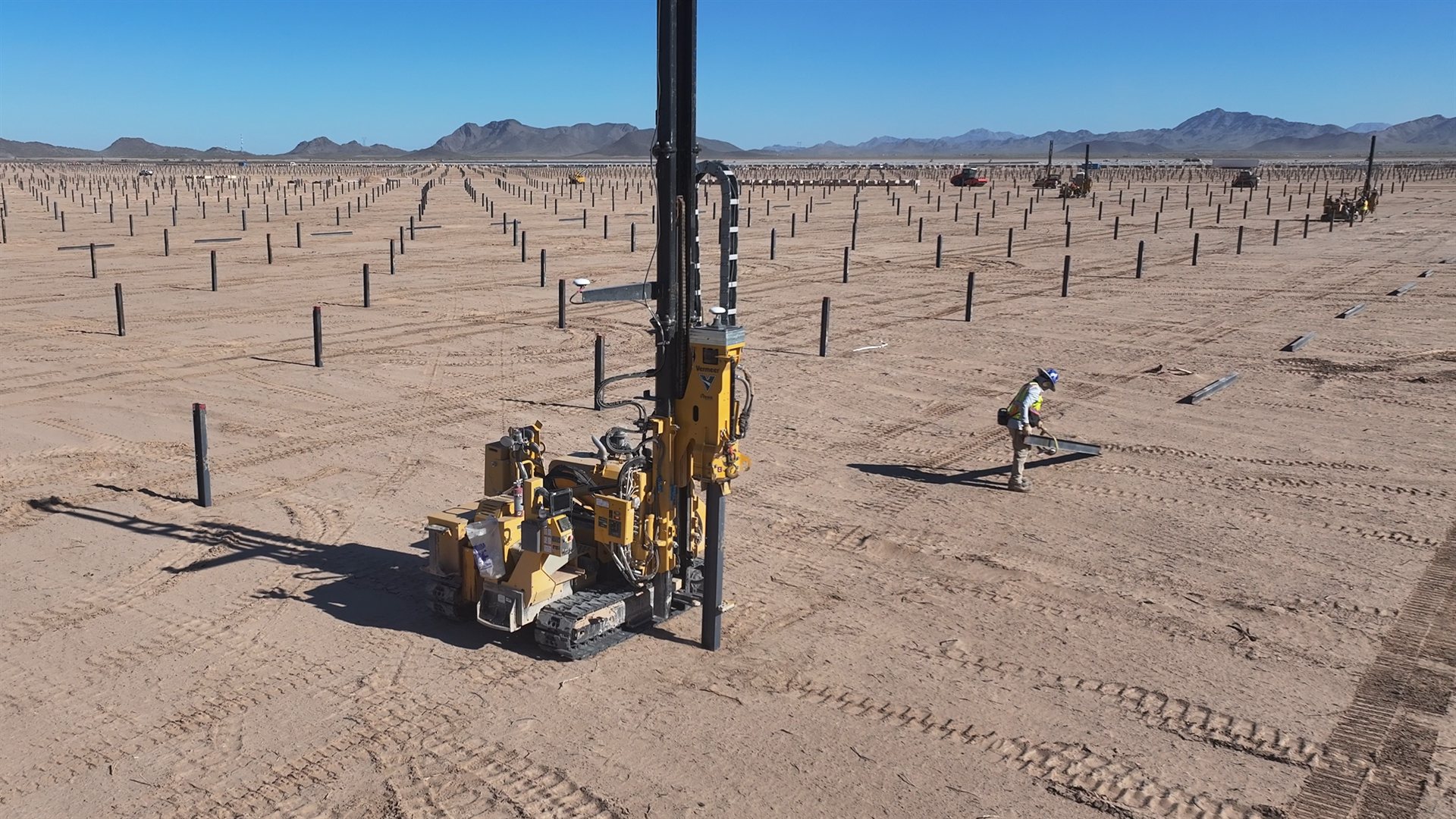
The End of Dangerous Labor: Physical AI Is Here — The ‘Smart Construction Robots’ Taking Over Jobsites in 2026
Robot vacuum cleaners did not eliminate cleaners; they changed how cleaning was done. A similar shift is now underway in construction. In 2026, robots are already working across major Korean jobsites, taking on some of the industry’s most dangerous tasks.
REPORT
Editor
Dong-yeop Kang, Sa-eun Jung
Courtesy
Integra D&C
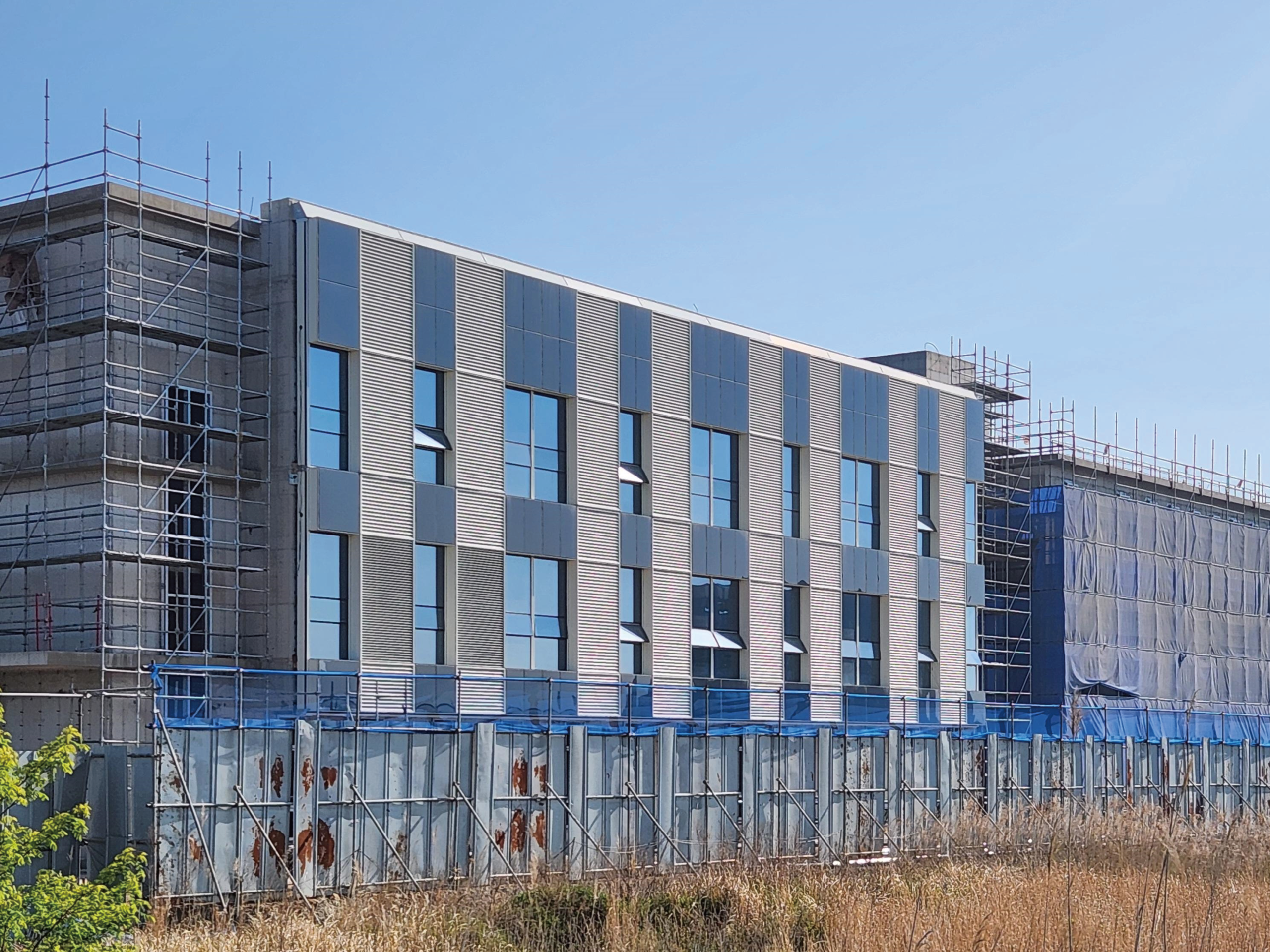
What If We Rethink the Building Envelope as Equipment? — One Wall That Controls Energy, Integra D&C
A building’s energy efficiency depends largely on how well it is insulated from the outside. Yet on most jobsites, insulation, windows, and exterior systems are installed separately over the structure. Could those processes be integrated into a single system? Integra D&C’s IUES, or MODU WALLS, began with that question.
REPORT
Editor
Dong-yeop Kang, Sa-eun Jung
Courtesy
FOBECON
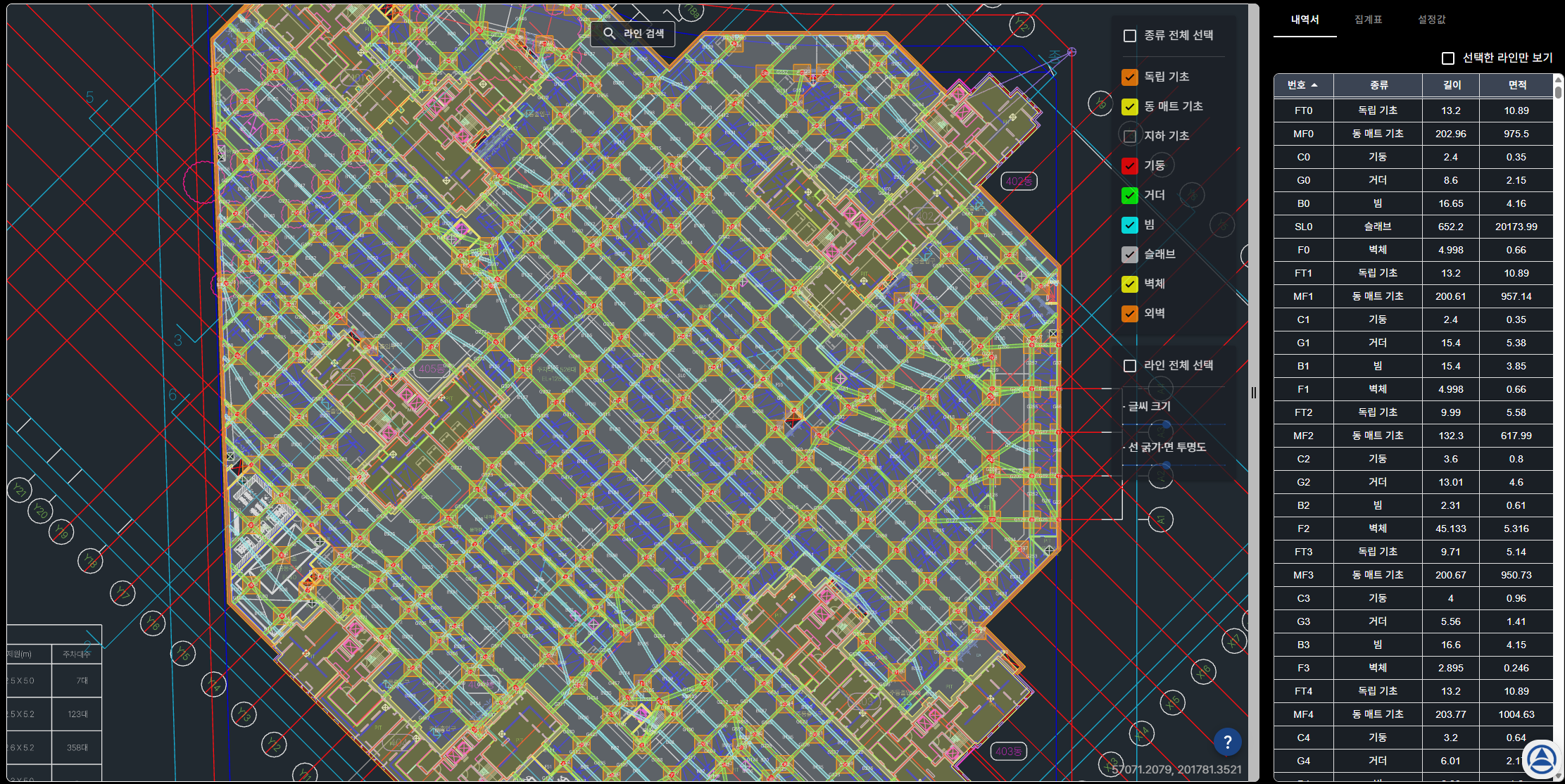
The Machine Catches What People Miss — From 10 Hours to 20 Minutes with FOBECON
Quantity takeoff means calculating the materials and quantities needed for construction from drawings. To estimate a project, you need to know in advance how many bricks or how many cubic meters of concrete a building will require. Founded in 2024, FOBECON uses AI to automate that work.
REPORT
Editor
Dong-yeop Kang, Sa-eun Jung
Courtesy
LIVIT
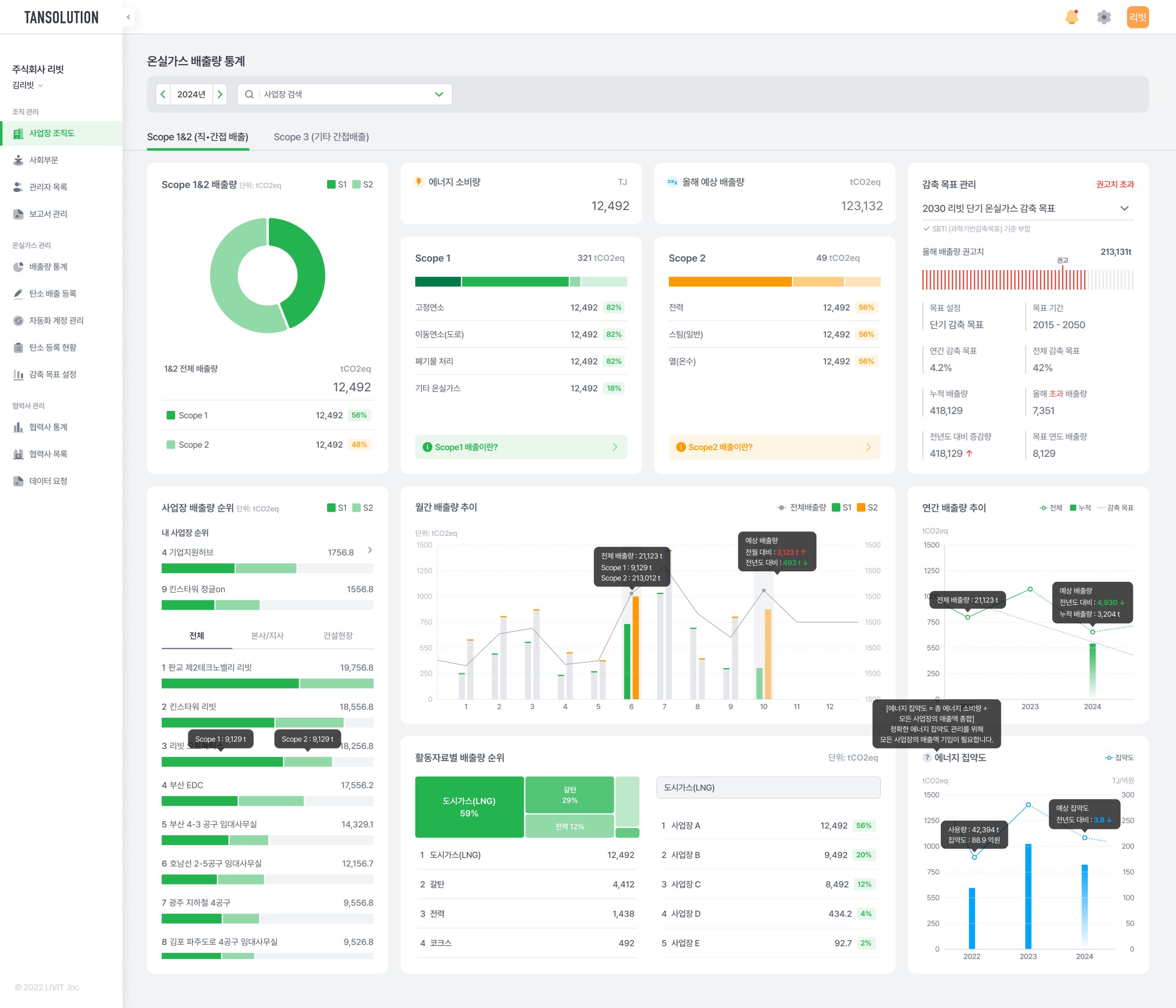
From “Was It Built Well?” to “Was It Built with Less Carbon?” — Turning Carbon Data from 87 Sites into a Single Number, LIVIT
Companies in global supply chains must report greenhouse gas (GHG) emissions to meet ESG disclosure requirements and export regulations such as the EU’s CBAM and the U.S. FPFA. LIVIT’s TANSOLUTION streamlines this process in one integrated system.
