ㅣ Faster and Easier — Less Work on Site, Greater Precision
Today’s building materials are increasingly designed to reduce work on site. New materials and surface-processing technologies eliminate finishing steps, while designs with improved workability shorten installation time. Lightweight wall panels, thinner large-format tiles, easier-to-operate doors and stoppers, modular furniture assembled by unit, and rapidly built modular housing are all part of this shift.
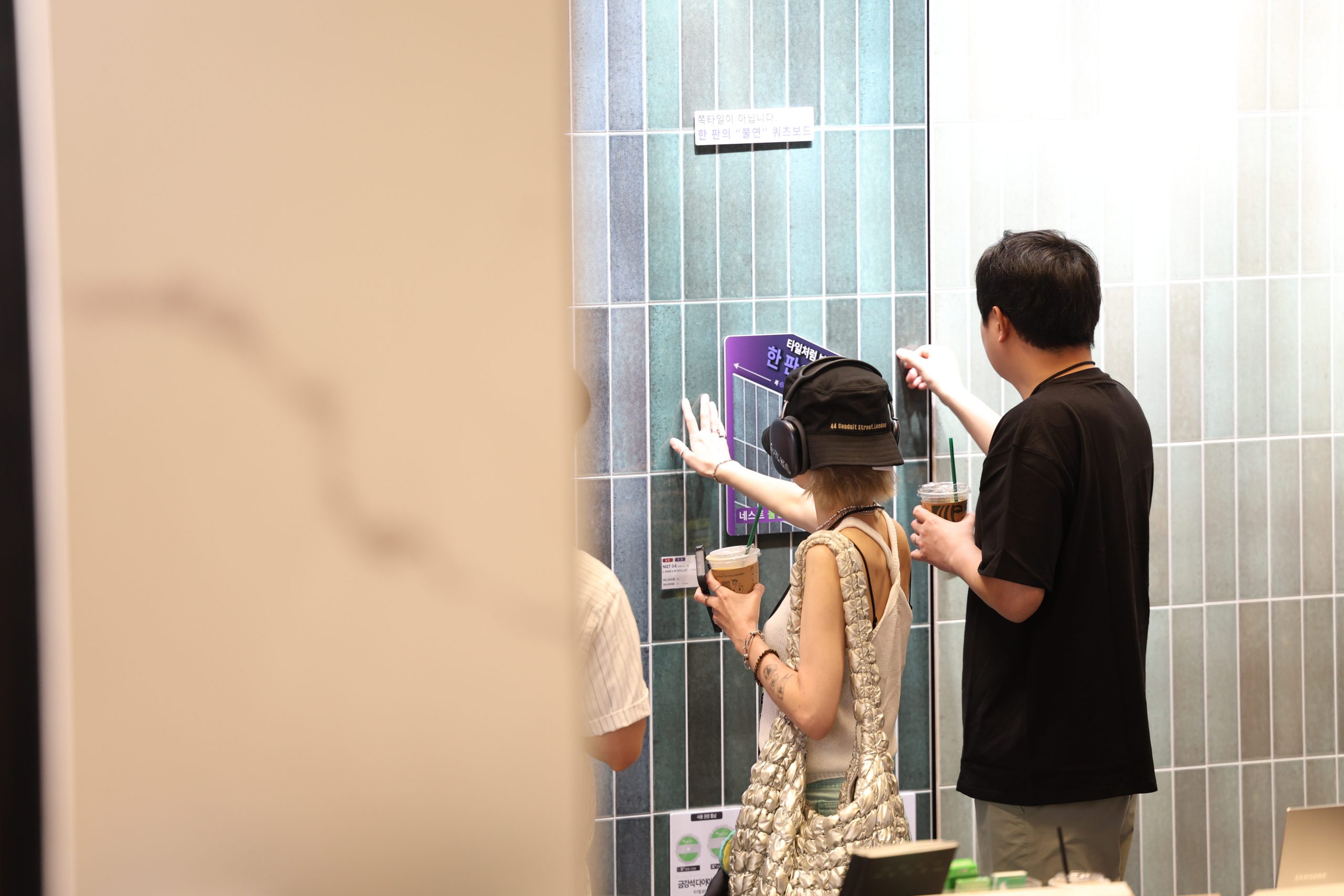
Traditional tile company Yusong Tile has launched SLABFIT, a porcelain stone tile brand featuring long-span slabs over 3.2 meters in length. Larger surface areas mean fewer joints, meeting growing demand for large-format stone finishes as an alternative to marble. POMISTONE, made from MCM material produced by low-temperature firing and surface treatment of stone powder, reduces both structural load and construction time, making it suitable for commercial spaces that require finishing work to be completed on tight schedules. NEST, which has introduced SPC boards combining stone powder and resin, likewise helps reduce construction time and labor costs.
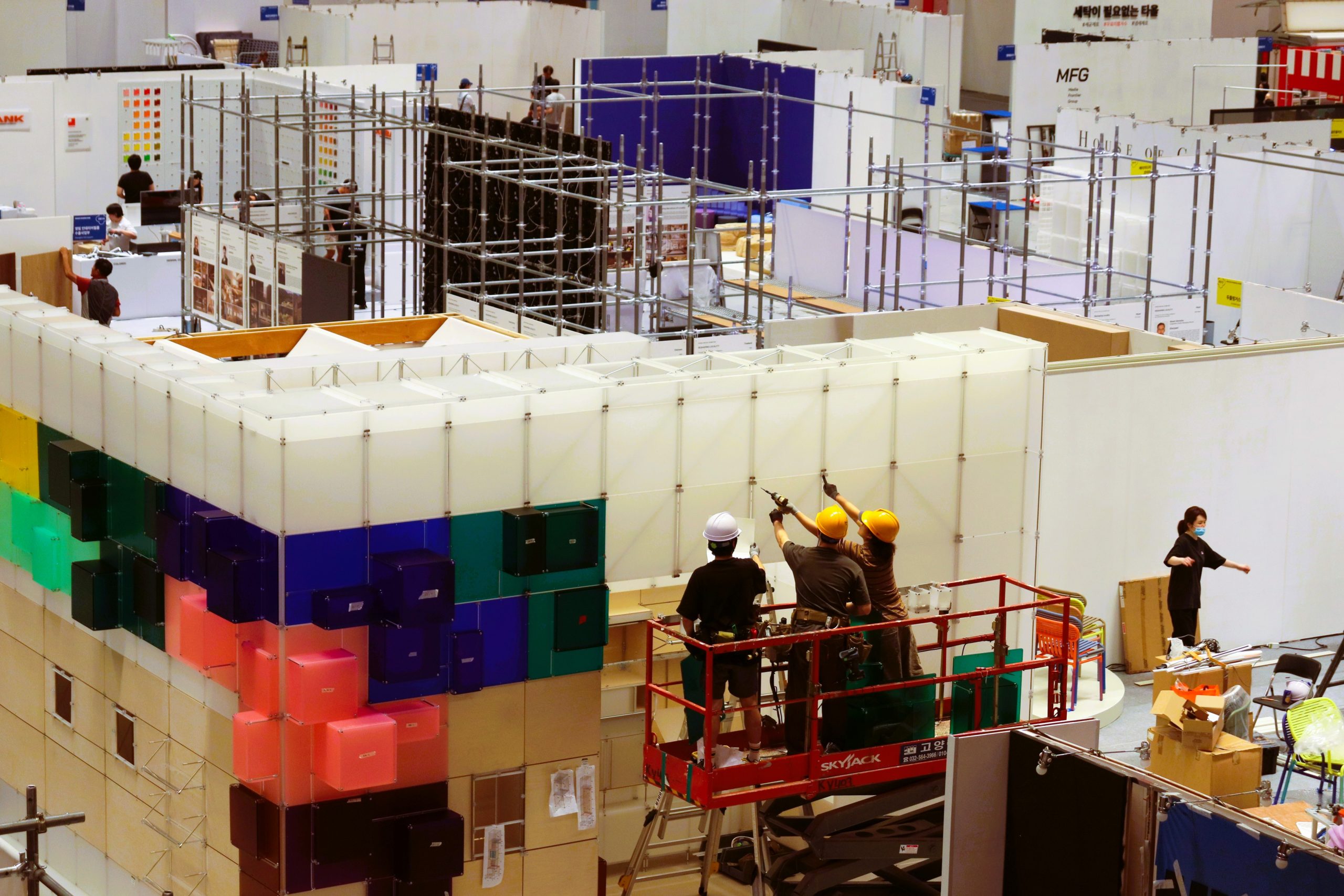
Furniture is moving in the same direction. String Furniture’s newly introduced modular furniture system CENTER CENTER and Buildweller’s assembly-type unit furniture for changing commercial displays follow the same logic. Their common aim is simple: fast assembly with precise dimensions.
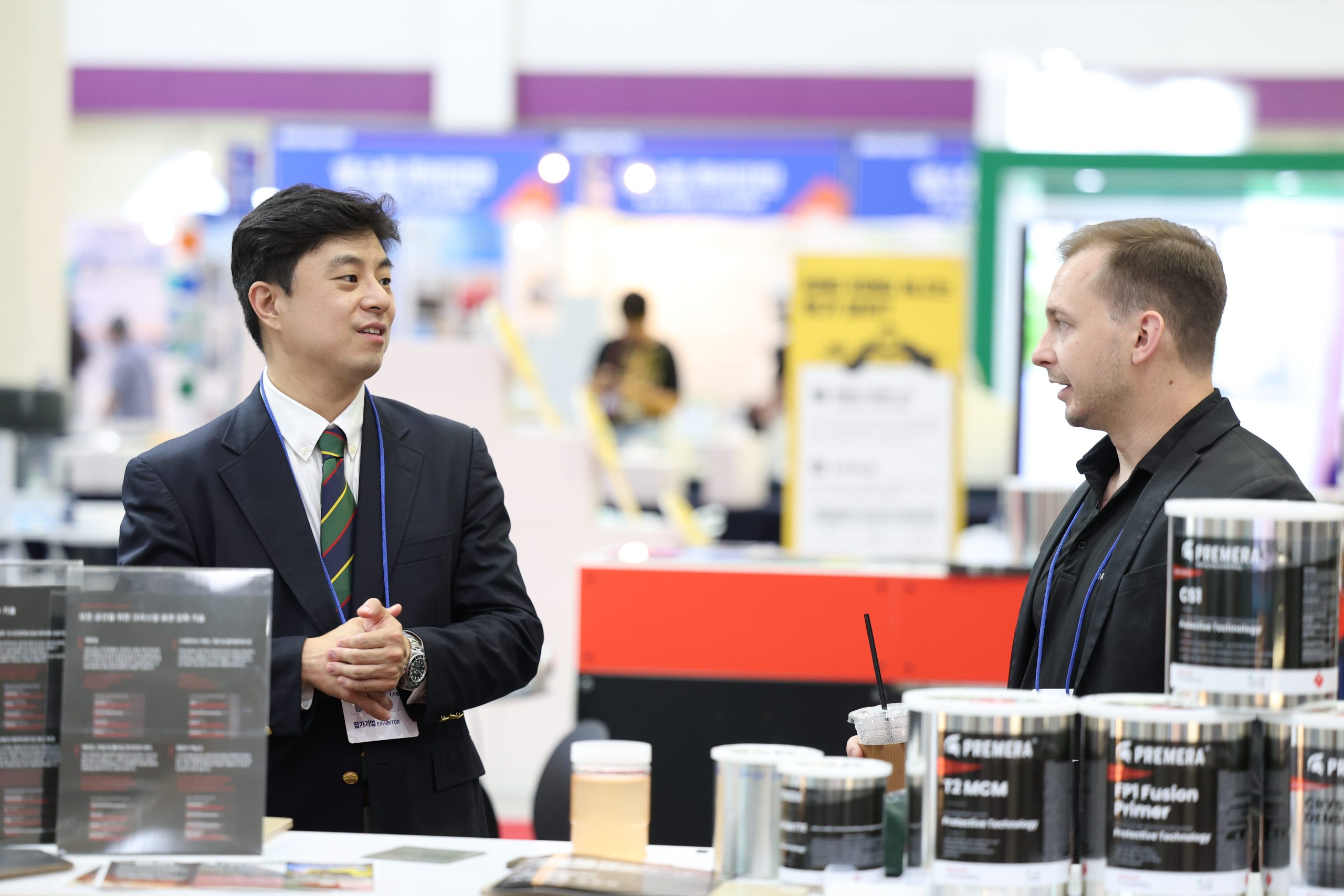
The demand for lighter, faster solutions is also reshaping how construction sites operate. Gole Robotics and WATT replace human muscle in heavy-load transport, while Spanner equips existing heavy machinery with AI to enable unmanned operation. FOBECON and Molder reduce the time spent redrawing plans by converting 2D drawings into 3D, while digital twin solutions AngelSwing and Meissa use autonomous drones to check in real time whether drawings match actual construction conditions, replacing repeated site inspections.
JIGSTECHNOLOGY, a Korean design software company adding greater automation, and Planby Technology, which allows furniture layouts to be reviewed directly on drawings, can be read in the same context. All are examples of repetitive tasks and judgments once handled by people being transferred to machines. The movement toward solutions that are lighter and faster without sacrificing quality is accelerating alongside technological development. Visitors can see this shift in one place at <2026 KOREA BUILD WEEK>, running through Saturday, August 8.
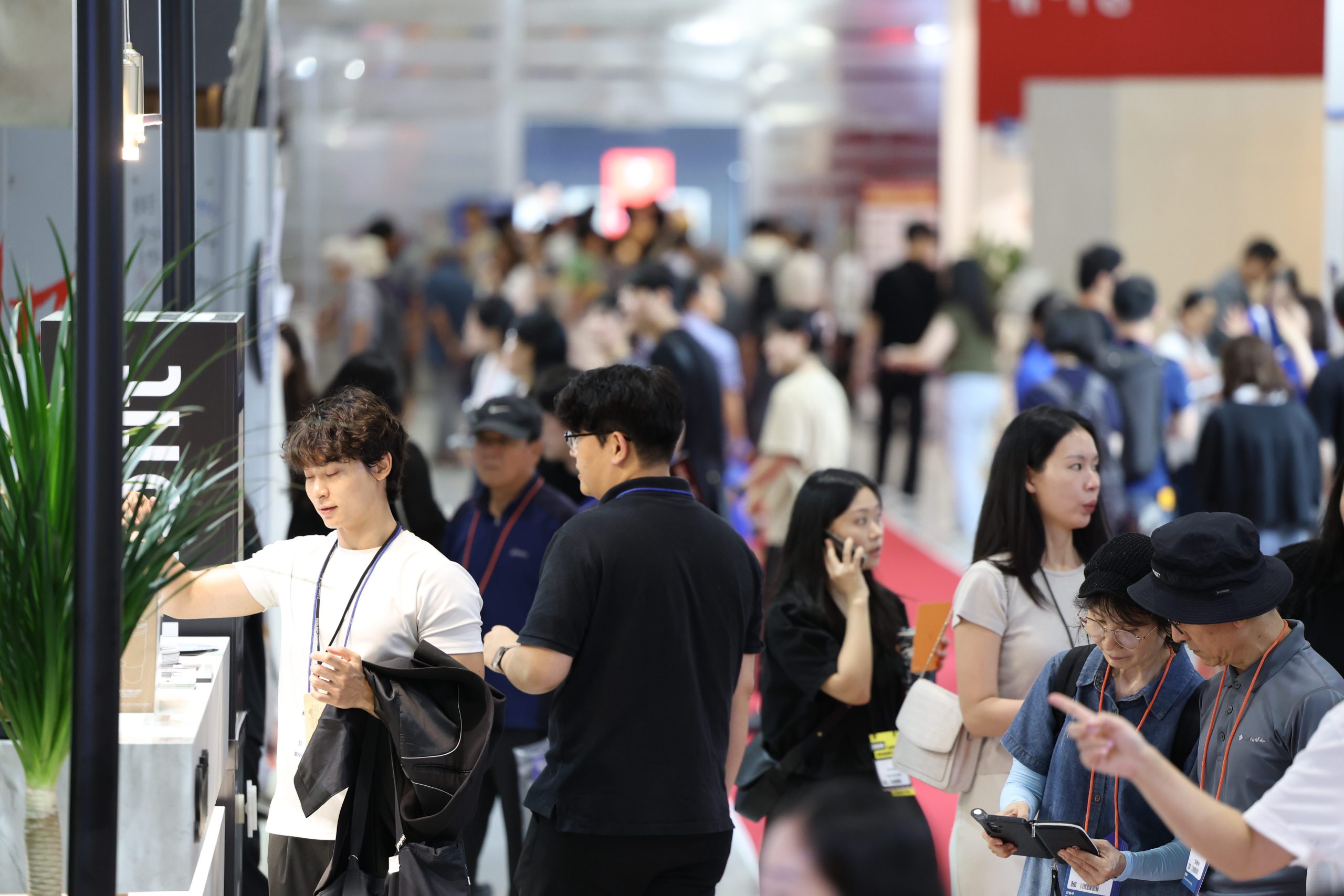
ㅣ Slower and More Deliberate — Premium Spaces Shaped by Craftsmanship
As labor costs rise, processes that require more hands tend to disappear. As they become rarer, their value rises. This is how craftsmanship and meticulous finishing become markers of luxury. As the baseline quality of mid-range finishes continues to improve, the high-end market moves even further upward — and that widening gap is clearly visible across the exhibition.
One of the strongest interior trends today is seamless design. It is about making lines continue naturally and smoothing the points where one surface meets another — eliminating differences in level between materials, or making door frames and doors appear as one continuous surface. Ironically, making these details disappear often takes more work and more time.
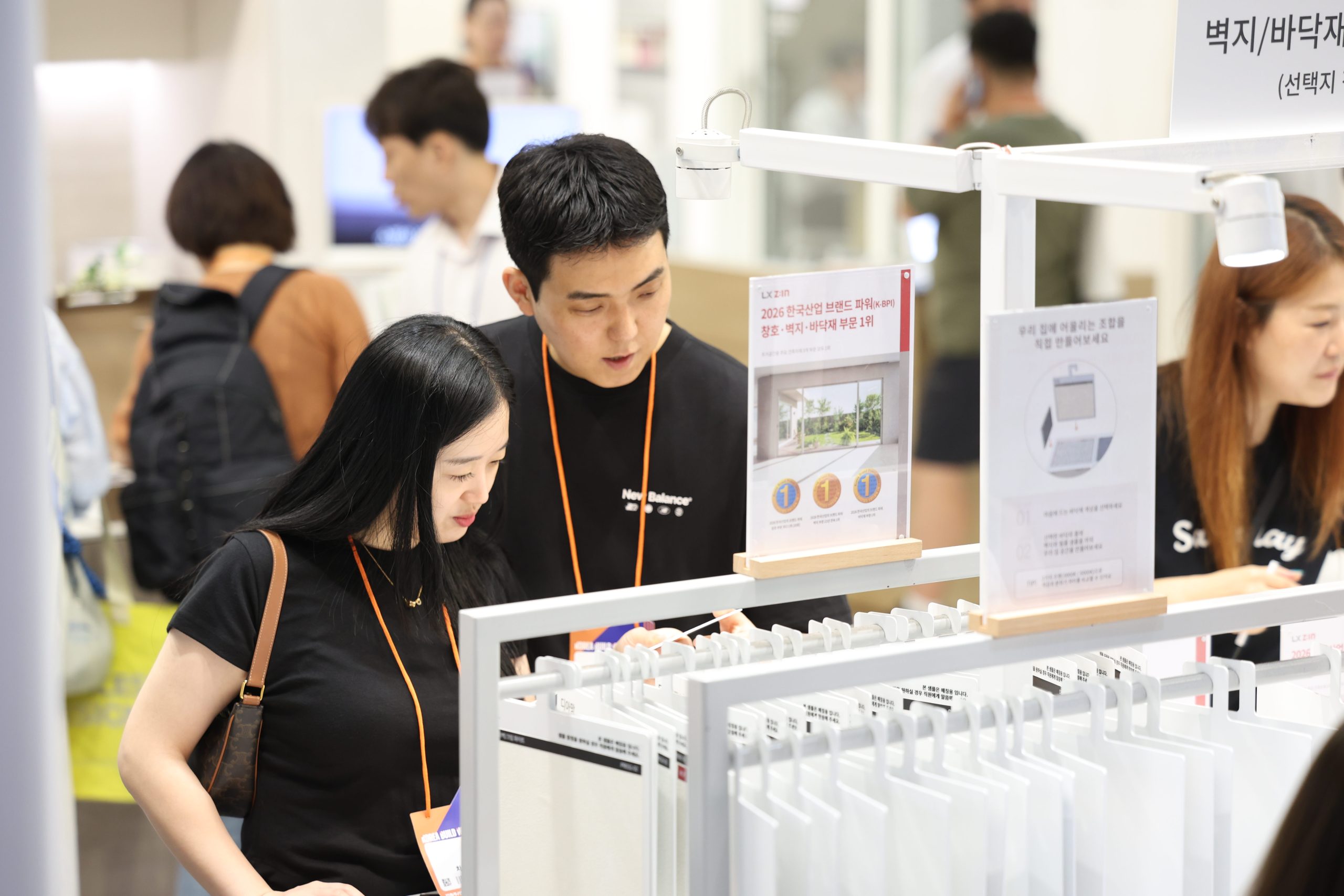
Gujung Maru, which launched the LAYERS film finish to visually connect floors and walls, Hyundai Livart’s One-Tone Interior, which expands its BODAQ furniture film across floors and wall finishes for a unified look, and Younglim Wood and Younglim Kitchen & Bath, which introduced NATURA surfaces using synchronized technology to align wood grain and embossing, all sit within this trend.
Hardware is part of the movement as well. Furniture and door hardware specialists KAWAJUN, DONATI, and SUGATSUNE each present their own strengths. Soft-closing drawers and sliding doors, handles and stoppers designed to remove friction between spaces, and smoothly operating drawer rails are all installed on actual furniture for visitors to open and close themselves, making their applications immediately clear. Spaces that feel effortlessly complete are built from details like these, one by one.
Seamless design reaches its peak in high-end finishing materials. Italian wood flooring brand Listone Giordano focuses on bringing the inherent qualities of timber indoors through careful control of wood grade, thickness, texture, and coating. Marble from Carrara, Italy, reveals patterns formed naturally within the stone, drawing the eye of everyone who passes by. Rather than adding more processing, the emphasis is on preserving more of what the material already possesses — a choice that requires more time in both selection and installation.
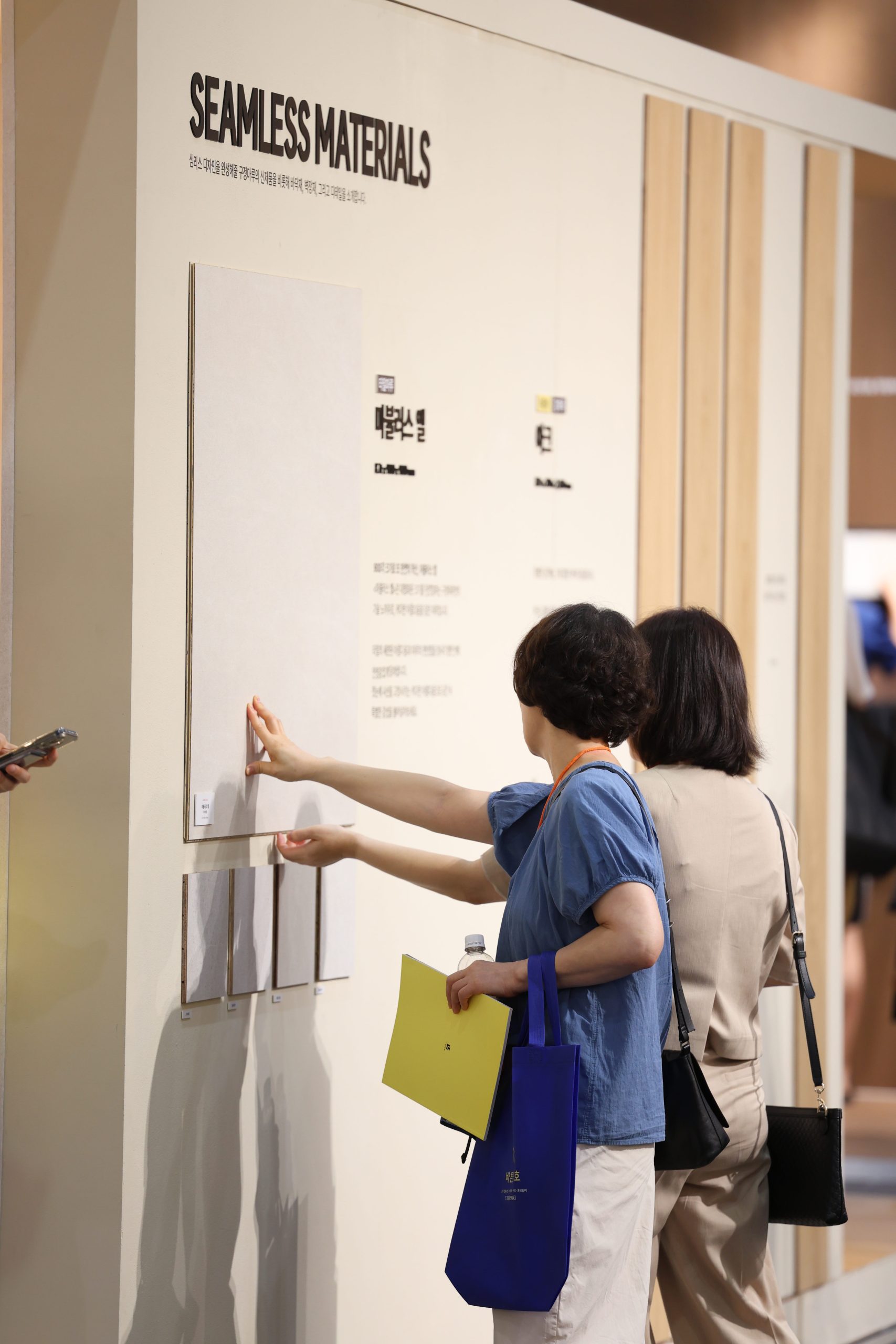
The willingness to invest more time and craftsmanship is not limited to aesthetics. The same attitude now appears in areas that directly affect everyday life, including acoustics, water, and safety. “Do you have acoustic materials?” “Are there any fabric companies with flame-retardant products?” The questions coming into the exhibition office reveal the shift. Materials and technologies once reserved for specialized spaces have become concerns for ordinary consumers and buyers. Performance is increasingly becoming a criterion that comes before taste.
Ilheung Construction, KD Woodtech, and Hyundai Cubicle propose acoustic materials with stronger design elements, expanding sound absorption into the category of interior finishes. Wonang, Baekjo Sink, and STEADY take the square-bowl sink as a starting point and add features such as integrated countertops or dedicated sterilized-water outlets for food preparation, directly addressing everyday inconveniences users actually experience.
PASECO, which unveiled a new kitchen hood at KOREA BUILD with reduced noise and a slimmer profile, and SEVIEN, which added design, color, and improved grip to indoor safety bars, are also drawing steady attention. Solutions once created for specific purposes are becoming everyday choices, and the demand for spaces tailored to individual needs is changing the standards of architecture and interiors.
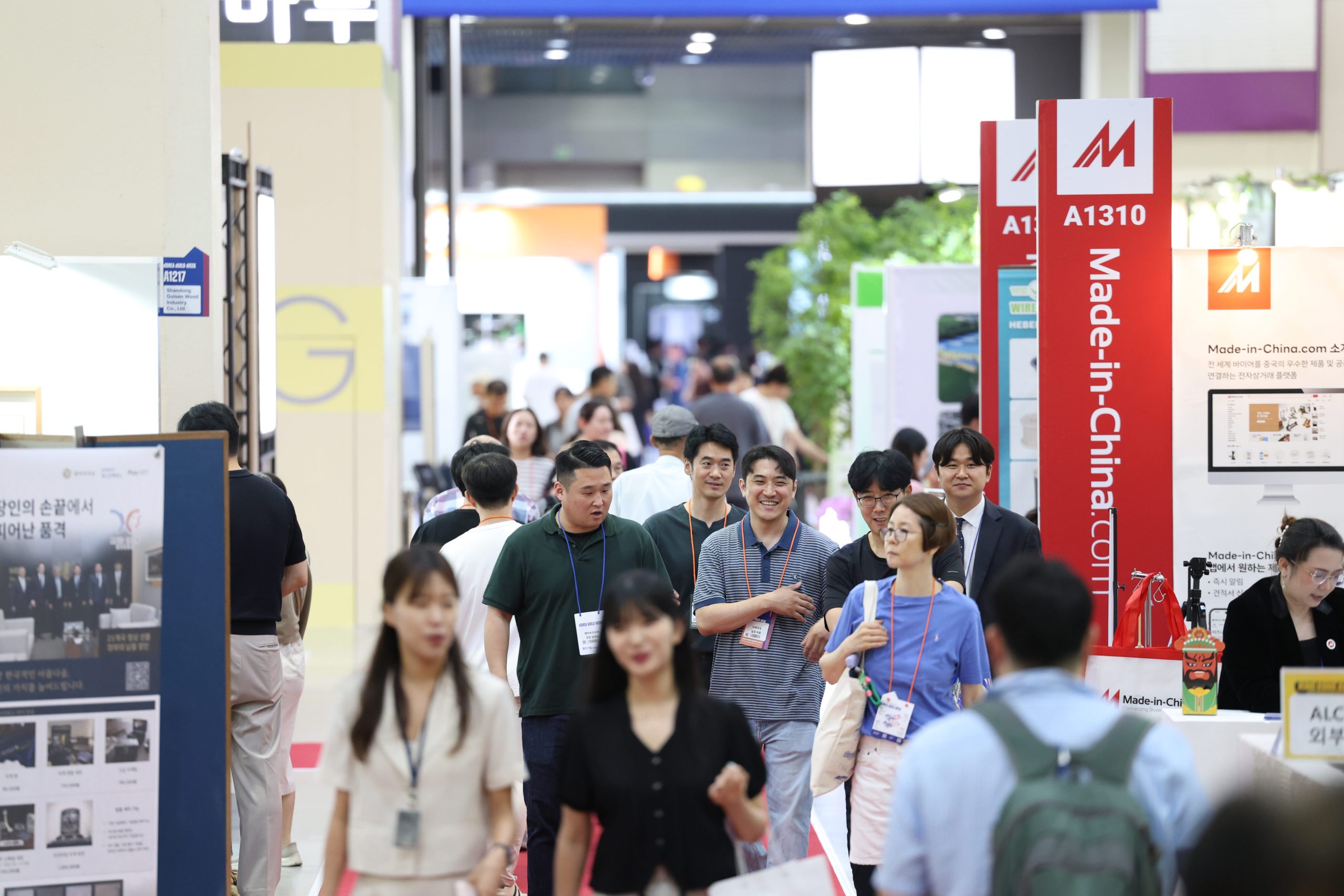
ㅣ Four Days That Capture the Direction of Construction and Architecture
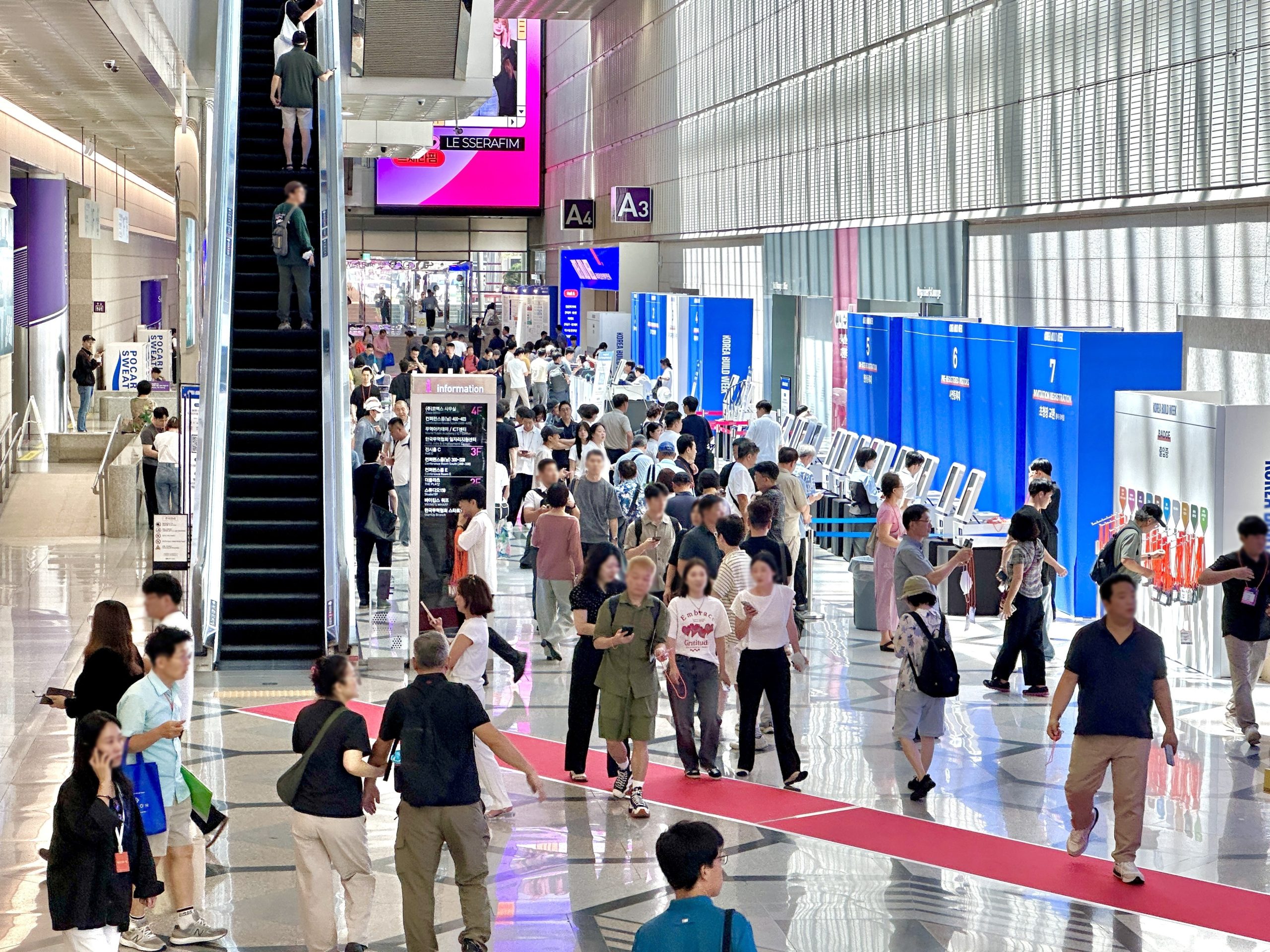
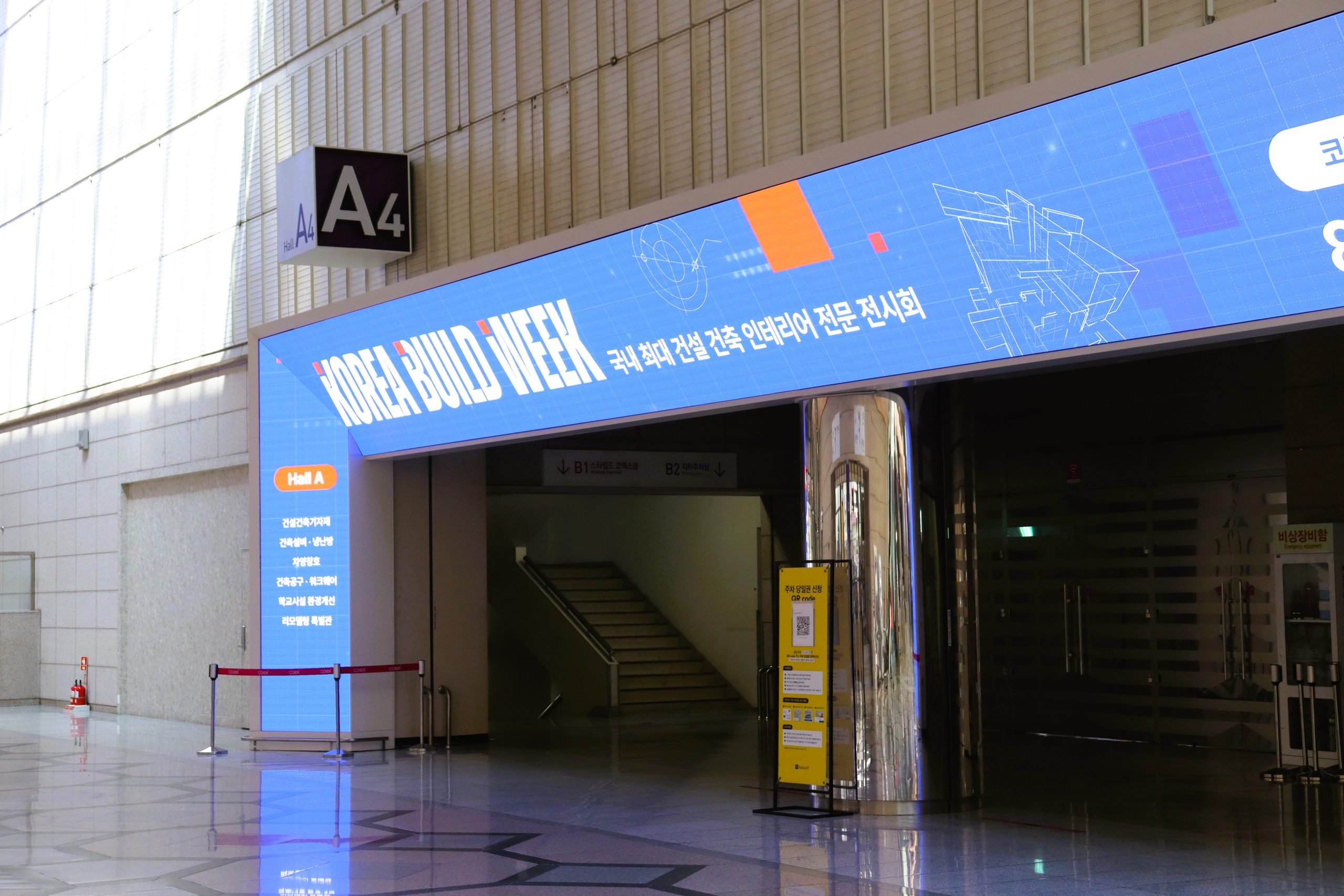
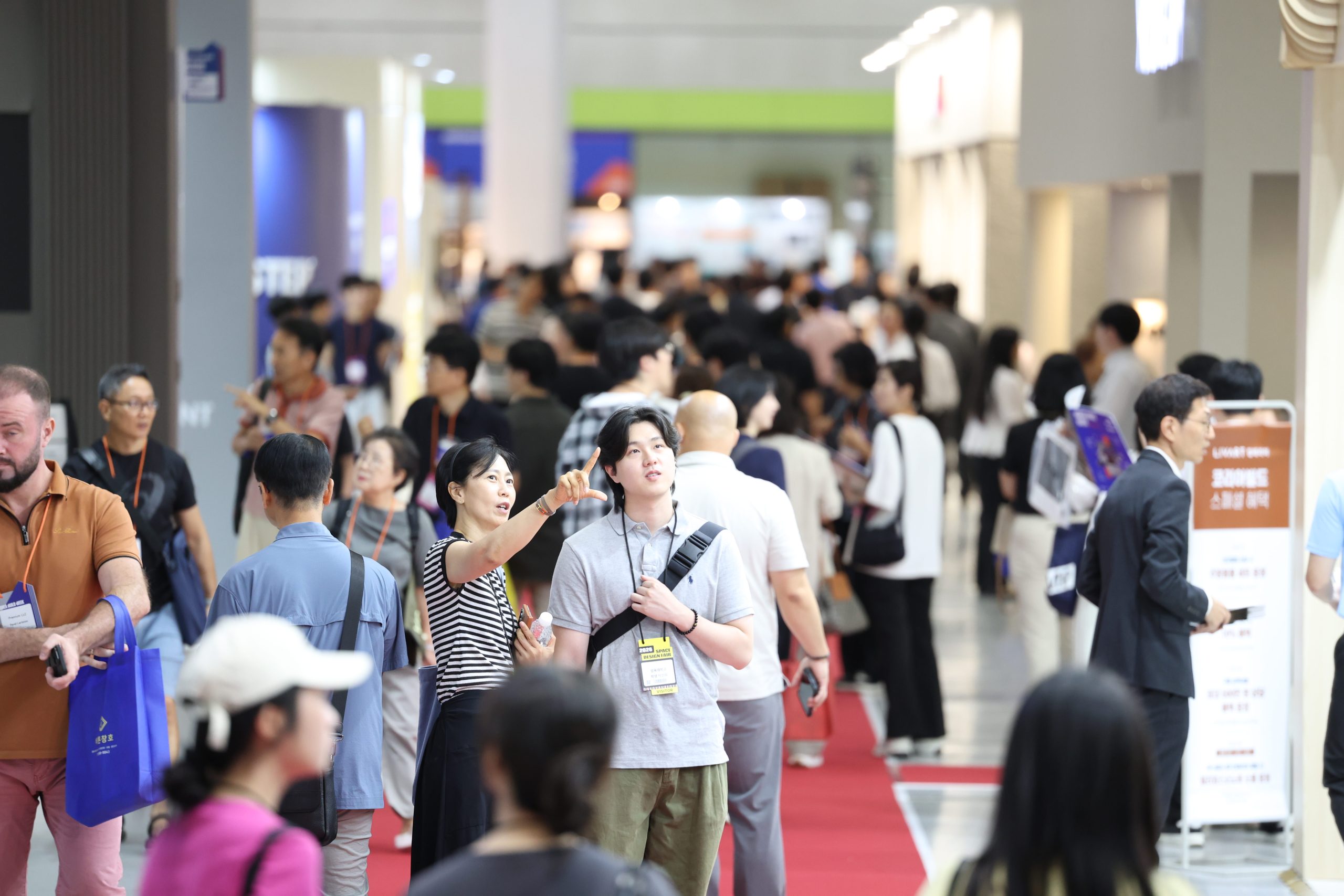
Opportunities to read the direction of an entire industry in one place are rare. <2026 KOREA BUILD WEEK> offers clues to where construction, architecture, and interiors are heading next. The exhibition runs through Saturday, August 8, at COEX in Seoul. Opening hours are 10:00 a.m. to 6:00 p.m. Admission is free for pre-registered visitors and KRW 20,000 for on-site registration.