SHOWCASE
Unfamiliar Names, Remarkable Performance — the Innovations Reshaping the Job Site
SPC, FRP, soft stone, and even a block that turns footsteps into electricity — unfamiliar names, but new materials and technologies already changing how things get built.
Editor SeoJin Park, SaEun Jung Courtesy NEST, HUJECT, EVOARE KOREA, HaeyulPlanets
Unfamiliar Names, Remarkable Performance — the Innovations Reshaping the Job Site

Why It Matters

Trying a new material takes a lot of information

On a job site, new materials are easy to push to the bottom of the list. Familiar materials come with known installation methods, pricing, and defect history, so there's little left to check. New materials, on the other hand, require re-learning specs and installation methods from scratch every time, and with fewer completed projects to draw on, there's not much precedent to fall back on if something goes wrong. It's not that they're unfamiliar — it's that there's more to verify and less to reference, so they get put off.

But the new materials coming out recently are actually solving problems that familiar materials couldn't. They cut wall finishing down from several separate processes into one, weigh less than natural stone so they're easier to bring in and install, and handle shapes — curves, cylinders, oversized pieces — that conventional materials always struggled with. If you skip a material purely because the name is unfamiliar, even though the performance is ahead, you're narrowing your own options for no good reason.

That said, new materials can look similar on the outside while varying enormously in quality between products. Even under the same name, performance, durability, and buildability shift depending on what raw materials go into the mix and how they're finished. So with new materials especially, it pays to check the actual specs and installation track record yourself, rather than take the brand's word for it. Here are four already being proven on real job sites — three new materials, and one new piece of technology.
01 NEST SPC stone flooring
DETAIL 01

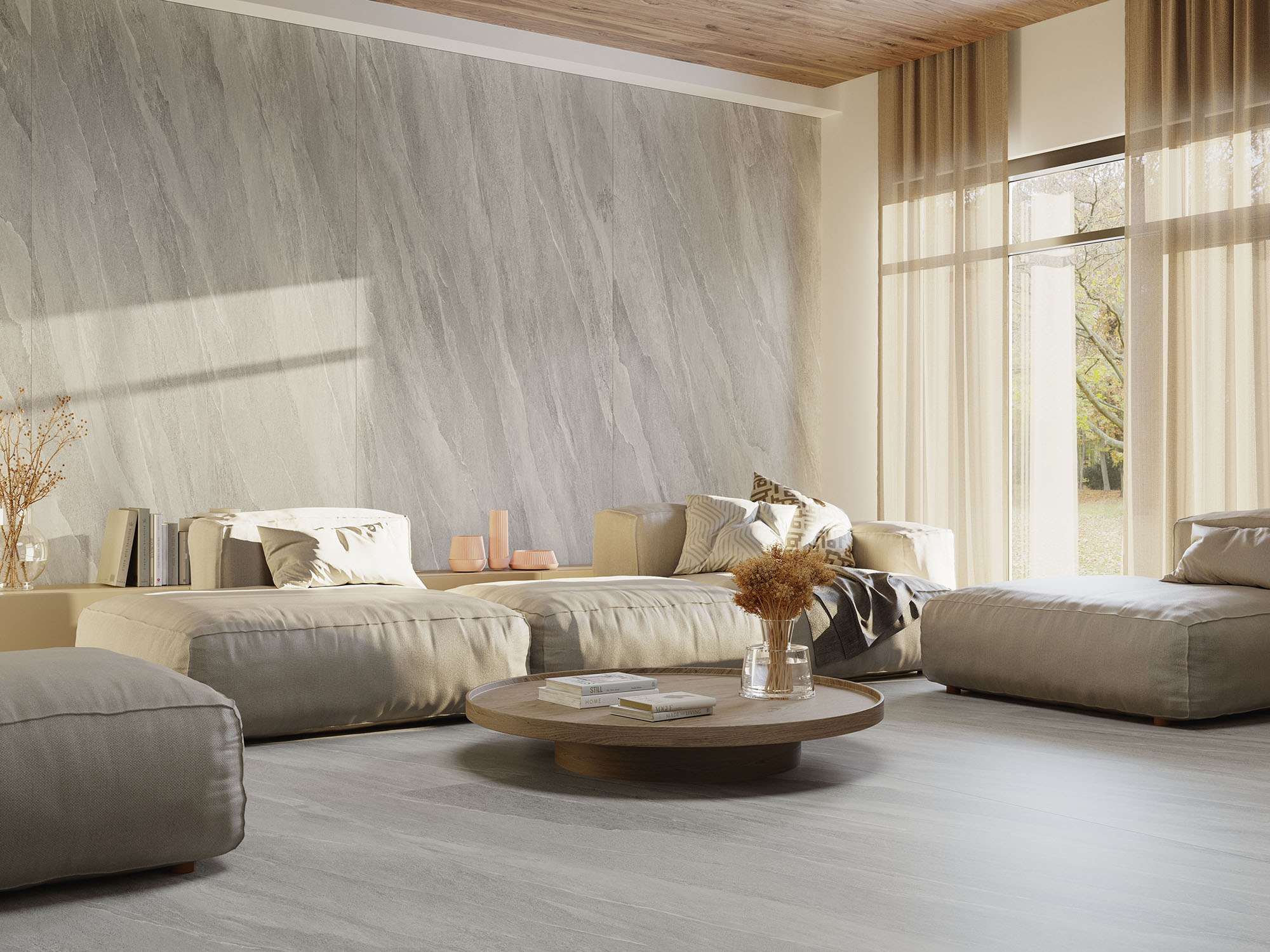
Looks like wood, but stands up to water

SPC Stone Flooring
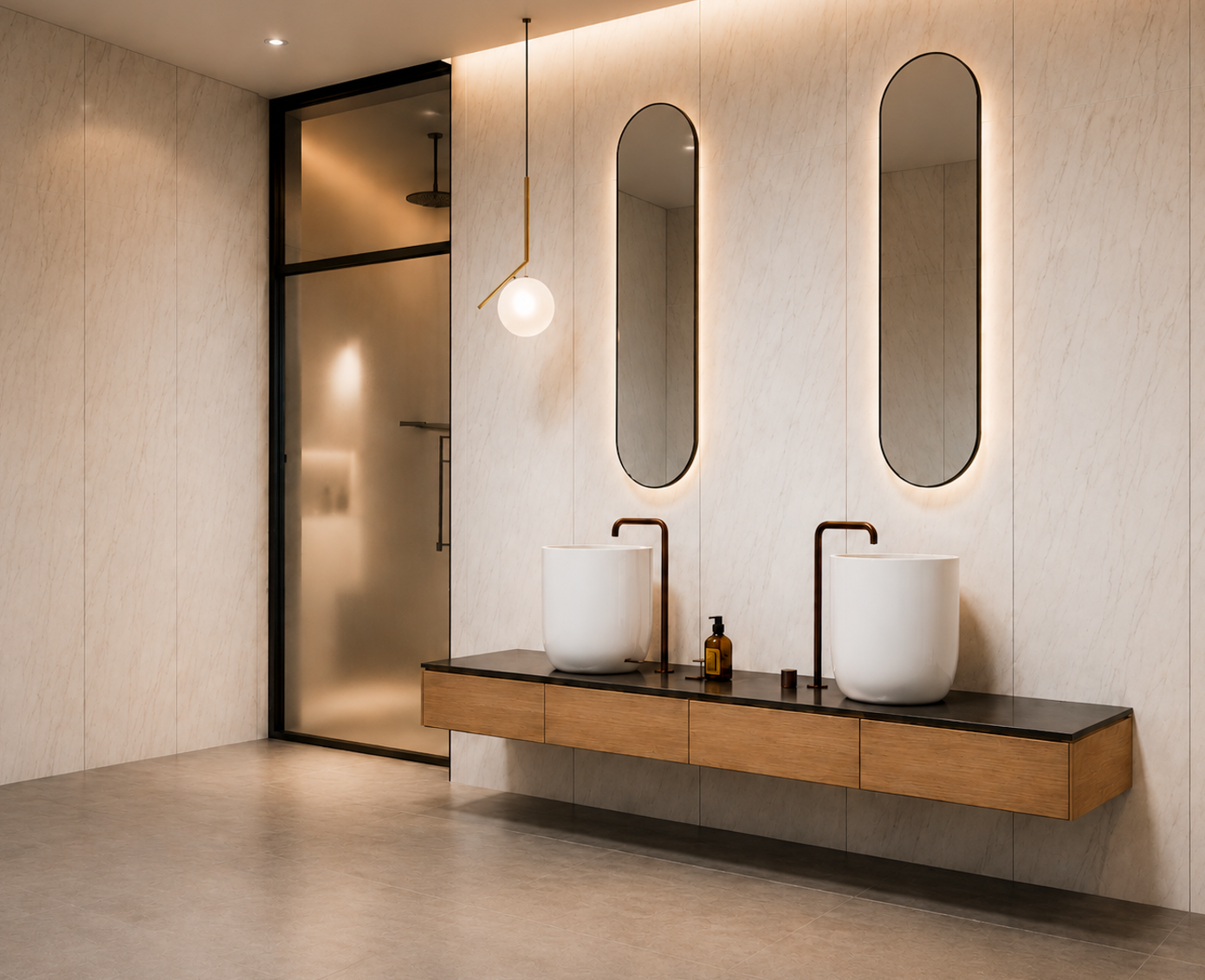
SPC (stone plastic composite) is a composite flooring material that binds stone powder with resin, and NEST has brought it to the mainstream under the name "Stone Flooring." Rigid-core laminate flooring made by bonding wood plywood tends to release harmful substances like formaldehyde and is vulnerable to dents and water — Stone Flooring, by contrast, releases almost no harmful substances, resists denting, is 100% waterproof, and clicks together during installation with no adhesive needed. On walls, it replaces what used to be separate steps — drywall, putty, wallpaper — with a single fire-retardant N-board, saving both installation time and labor. Stone Flooring's real advantage, then, isn't the material's unit price so much as the time and labor saved by collapsing several processes into one.
NEST Co., Ltd · a new-materials building brand launched by Zest Co., Ltd, holder of Korea's first KS certification in the rigid polyurethane foam insulation industry · Stone Flooring (SPC), fire-retardant N-board, semi-noncombustible mineral wool, noncombustible quartz board, composite wood · exhibiting at Space Design Fair in August "Fewer processes, higher finish" — aiming for an integrated finishing solution that ties together wall, floor, and exterior.
Read more on NEST
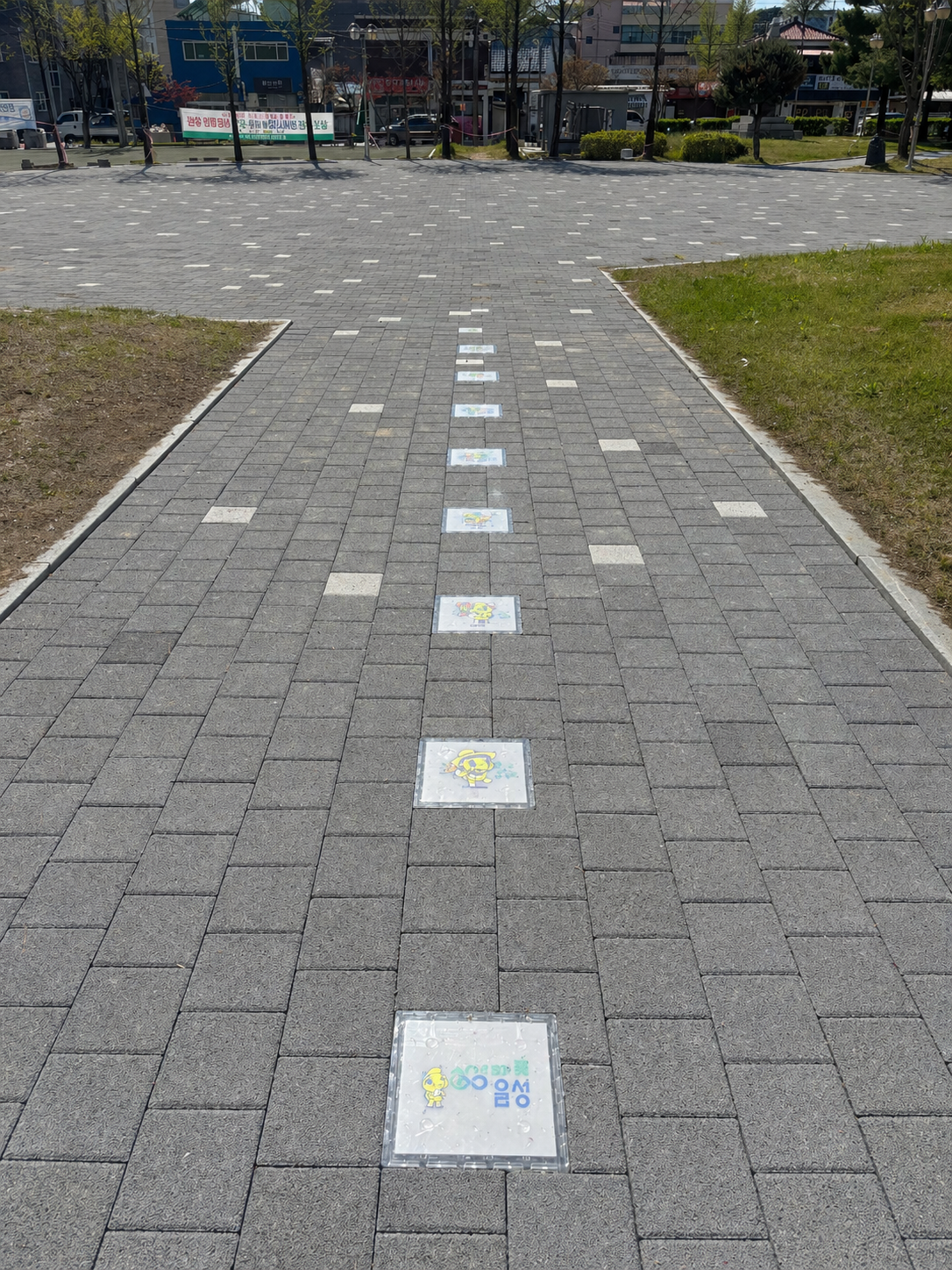
02 HUJECT Energy Block — installation at Seolseong Park in Eumseong
DETAIL 02 · New Technology

A floor that turns footsteps into electricity

Energy Block
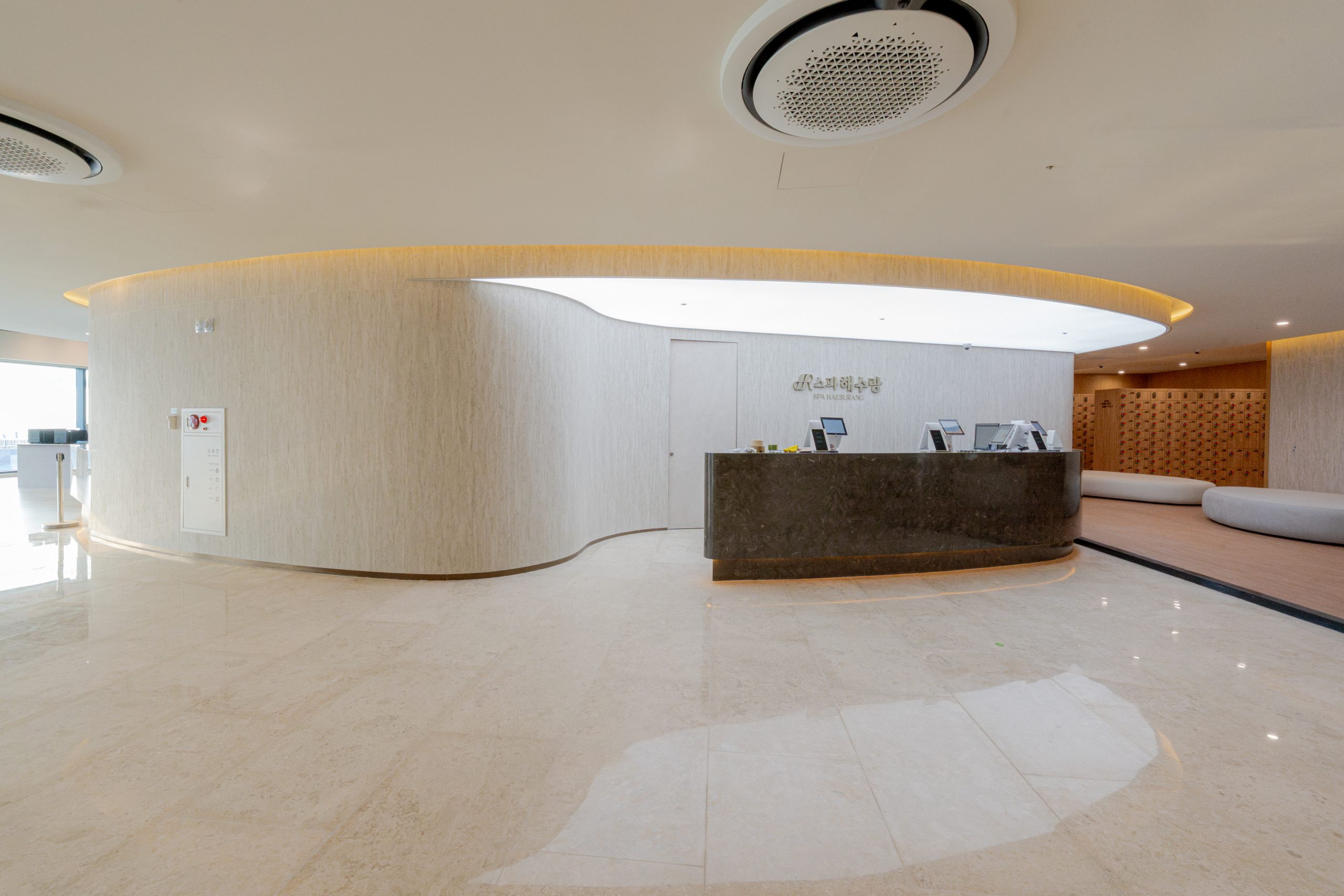
The Energy Block is a self-generating paving block that converts the pressure and vibration of a footstep into electricity. Piezoelectric technology gathers the tiny force from every step into power, and the block uses that electricity to light itself up — no separate power line needs to be run in. It's especially well suited to walking paths, apartment complex walkways, or safe-return-home routes where running new wiring is difficult. The electricity generated by footsteps can power more than just lighting — it can run signage or IoT sensors too. Installed at multiple sites including Gwangmyeong, Pyeongtaek, and Seolseong Park in Eumseong, its durability has been field-tested, and because the surface compresses only minimally, walking on it feels much like an ordinary paving block, with installation done the same way as conventional blocks.
HUJECT · founded out of a Hanyang University lab (2020), core energy-harvesting technology · Energy Block, self-generating IoT sensors · selected for Deep Tech TIPS and the "Top 1000 Deep-Gap Startups" program Everyday walking becomes electricity, turning a walkway into active infrastructure that generates its own energy.
Read more on HUJECT
03 PHOMI Stone soft stone installation
DETAIL 03

A stone that bends — wrapping around curves and columns

Soft Stone
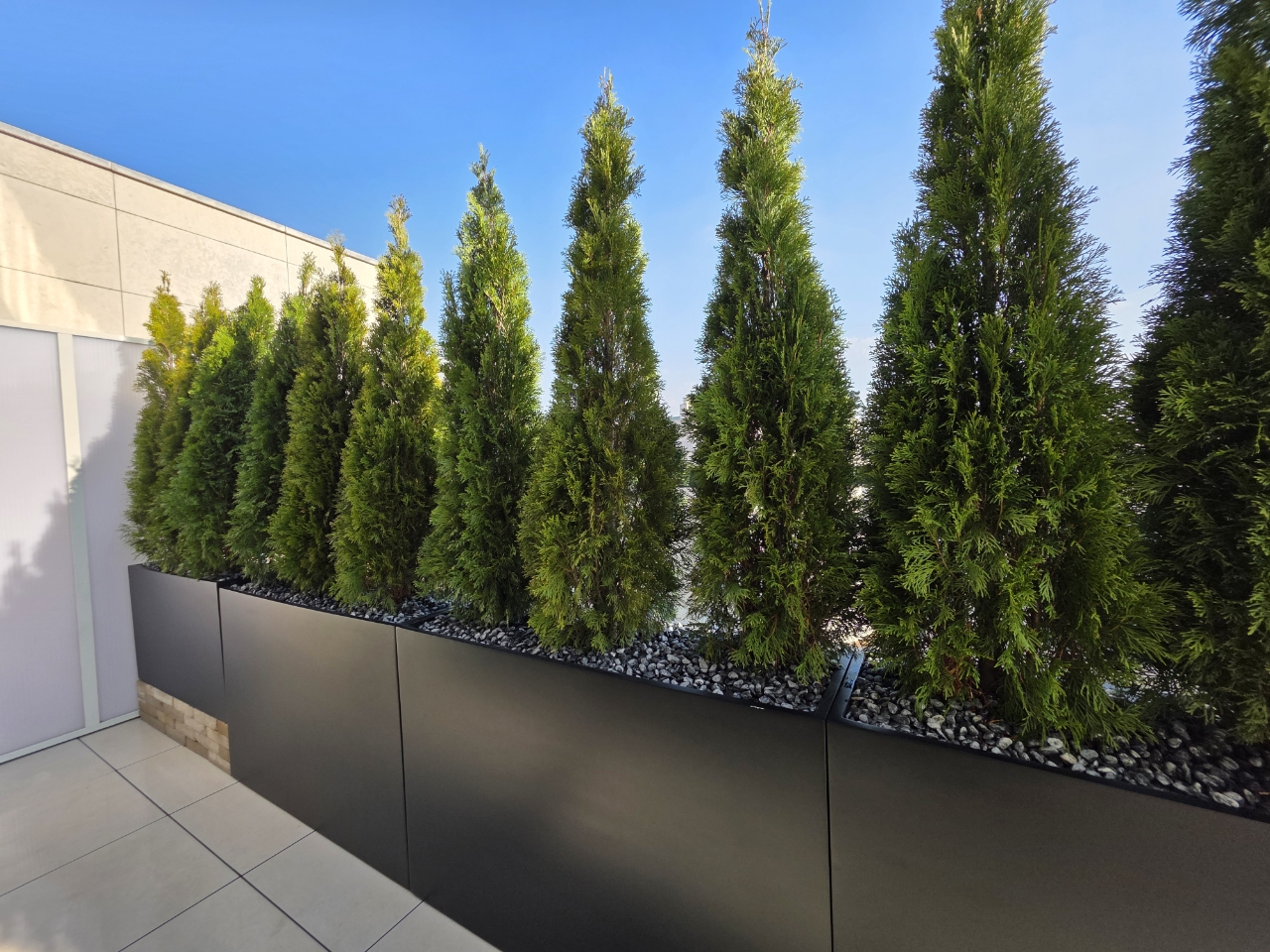
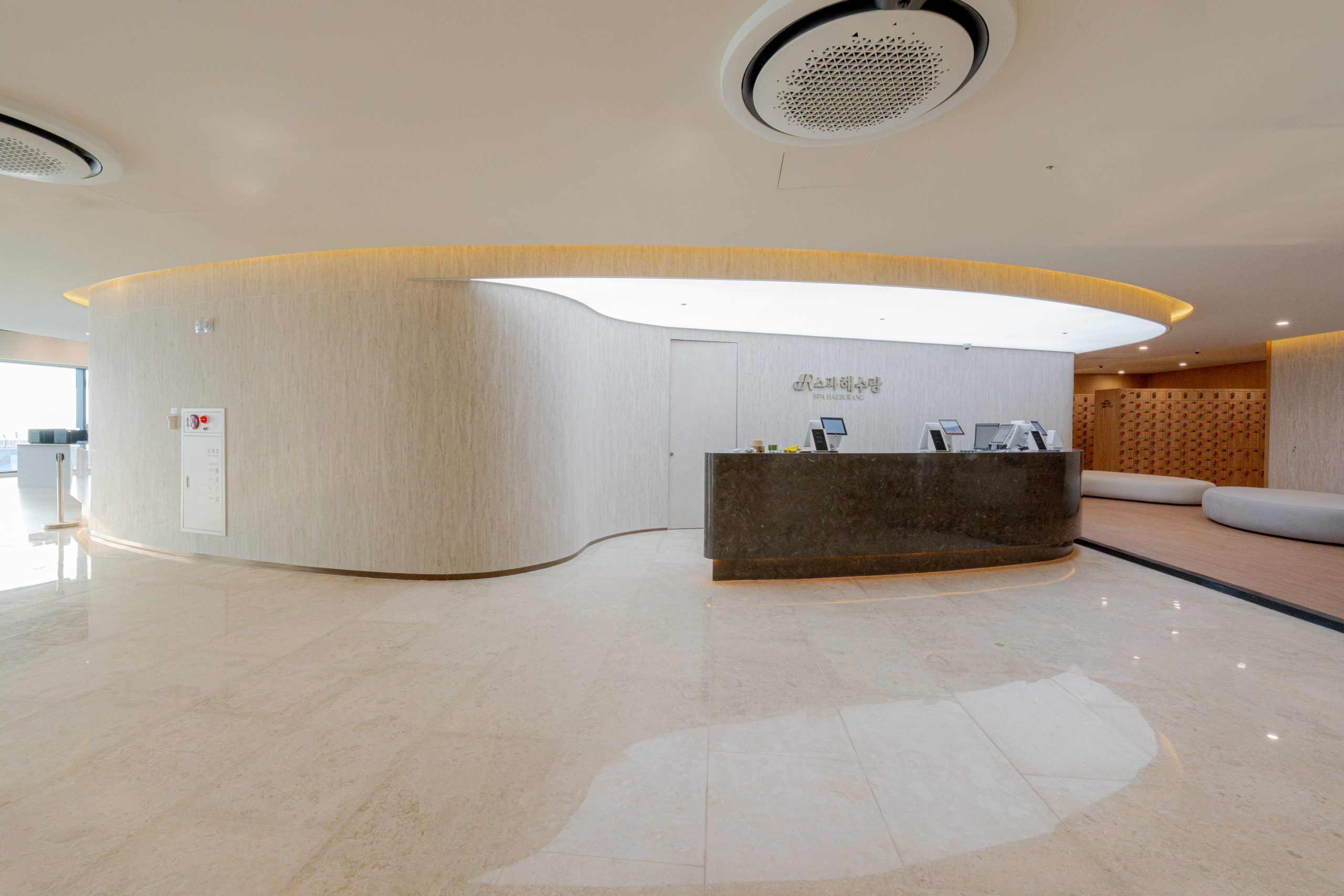
Soft stone is a new material built from natural inorganic minerals that reproduces the texture of real stone while getting past the weight and buildability limits stone has always had. PHOMI Stone combines 98% natural inorganic raw material with 3D printing to achieve the genuine look and feel of stone, while its flexibility lets it wrap freely around curves, cylindrical columns, and other irregular structures that would normally give stone trouble. A nano-coating resists staining, the structure allows the surface to breathe, and noncombustible or semi-noncombustible performance covers fire safety as well. Keeping the true texture of stone while wrapping around curves and columns that natural stone simply couldn't handle — that's exactly why soft stone earns the name of a new material.
PHOMI STONE (EVOARE KOREA) · soft stone combining 98% natural inorganic material with 3D printing · noncombustible/semi-noncombustible, nano-coated "Bendable stone" that wraps around curves and columns alike — with the texture of real stone intact.
Read more on PHOMI Stone
04 Terrace landscaping styled with a large La&Lee Garden Pot FRP planter
DETAIL 04

Landscaping, treated as an architectural finish

FRP Planter

FRP (fiberglass-reinforced plastic) is a composite that combines resin with glass fiber to get strength and light weight together. It's lighter to bring in and place than a concrete planter, and unlike metal, it carries little risk of rust or corrosion. That said, durability and quality vary with the material blend and how the layers and surface are finished, so product specs and manufacturing quality both need checking. La&Lee Garden Pot proposes this FRP planter not as a simple planting container, but as a finishing element that ties together a space's color, materials, and flow — in lobbies, terraces, and the entrances of commercial buildings, exactly the spots where landscaping shapes the first impression.
La&Lee Garden Pot (HaeyulPlanets) · mid-to-large and oversized FRP planters · two gray tones, oversized model at 1200×600×700mm "Landscaping isn't something you add once the building is finished — it's another finish that raises the level of completion."
Read more on La&Lee Garden Pot

Why You Need to See It in Person

The newer the material, the more it needs to be seen with your own eyes

SPC's water resistance, an Energy Block that lights up under your feet, how soft stone handles a curved installation, the finish quality of FRP — photos and specs only tell half the story. The other half you only know by having the real thing in front of you and checking it yourself. KOREA BUILD is the place where builders, designers, and distributors can compare these new materials and new technologies in person, all in one spot.

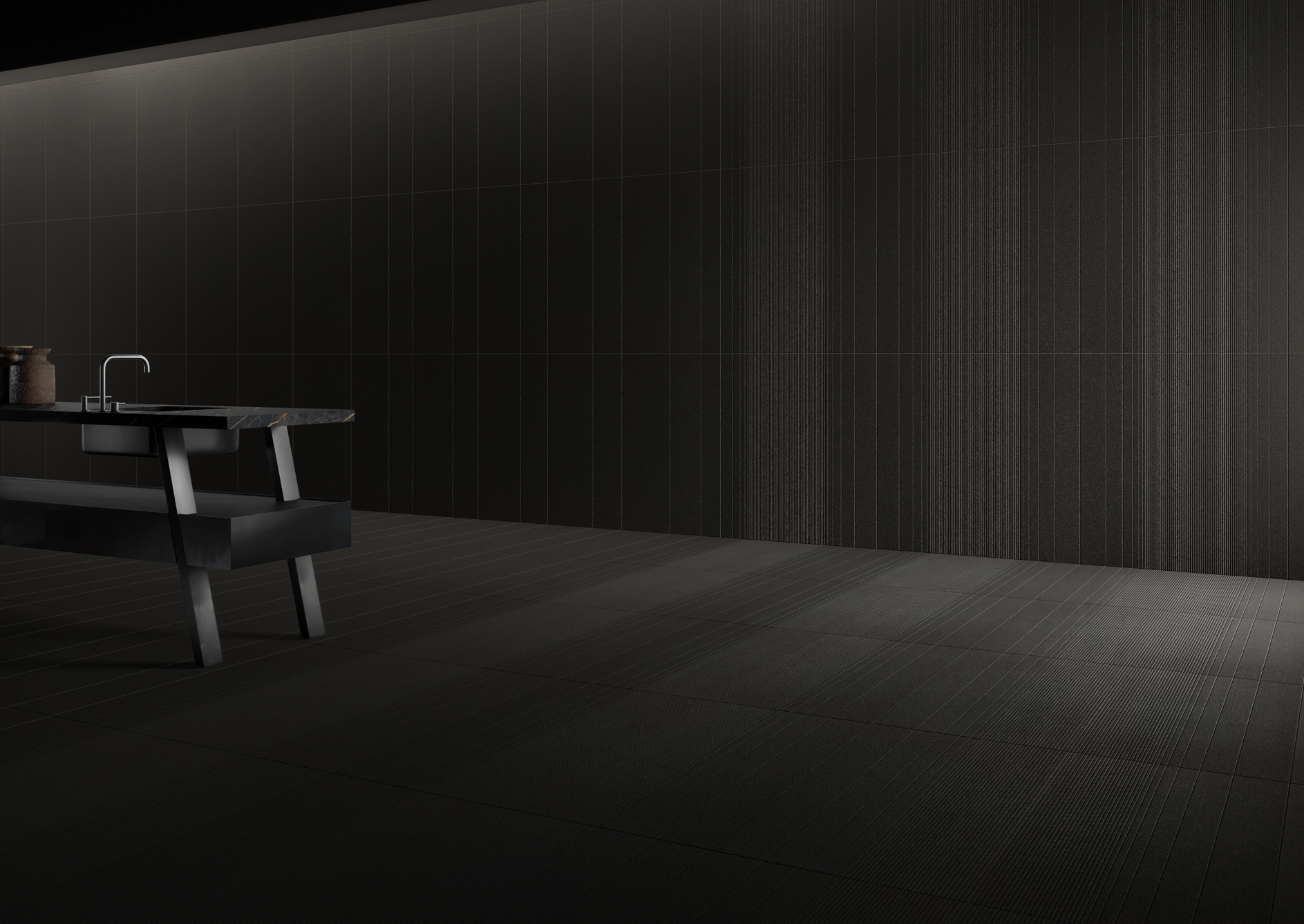
KOREA BUILD 2026
Experience more information and insights firsthand on-site!
Exhibition Pre-registration keyboard_arrow_right