The living room has wood flooring, but the kitchen starts with something else. Or the kitchen floor is wood, yet there is always a mat in front of the sink. Many Korean homes look like this.
There is one reason: water. Wood flooring is vulnerable to moisture. Once water seeps in, the color can change and the boards can warp, and damaged sections are not always easy to replace individually. So kitchens and entryways, where water is common, are often finished with tile or protected with mats. It is a fairly rational habit — if something spills, wipe it up immediately.
But that protection interrupts the design. Even when furniture and finishes have been carefully coordinated to create a consistent tone, the rhythm breaks the moment the flooring changes or a mat appears. A few small disruptions like these can make a space feel visually cluttered. If the first step toward a high-end interior is visual order, a single floor mat occupies more space than it seems.
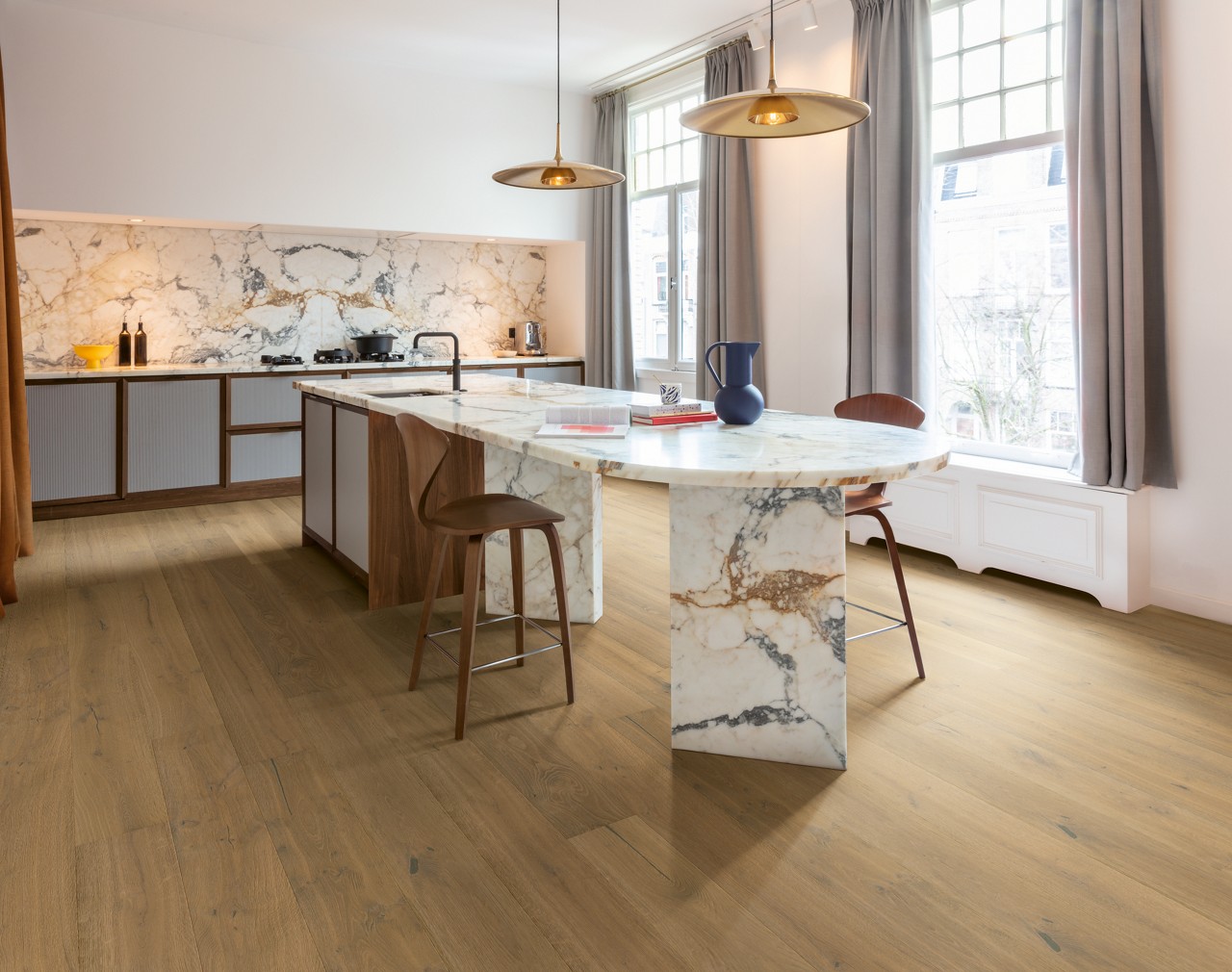
Parquet, a wood flooring line from Belgian flooring brand Quick-Step now available in Korea, challenges that assumption. By addressing wood’s long-standing weakness against water, it aims to carry one continuous floor from the living room into the kitchen.
Keeping the Refinement of Wood, Removing Its Sensitivity
Wood flooring has long been synonymous with premium interiors. Its feel underfoot and the natural grain of timber are difficult for other materials to replicate. But it comes at a cost and demands care. It is sensitive to water, humidity, and scratches, making it the kind of floor that owners often feel they must constantly protect. The conventional advice has therefore been consistent: if a space is frequently exposed to water, give up on wood and choose something more water-resistant.
Parquet challenges that advice directly. Instead of giving up on wood, it gives wood the ability to withstand water. The visible surface still retains the grain and character of real timber, while its vulnerabilities to moisture and scratches are reduced. Quick-Step describes it as flooring that goes “beyond the limitations of wood flooring.”
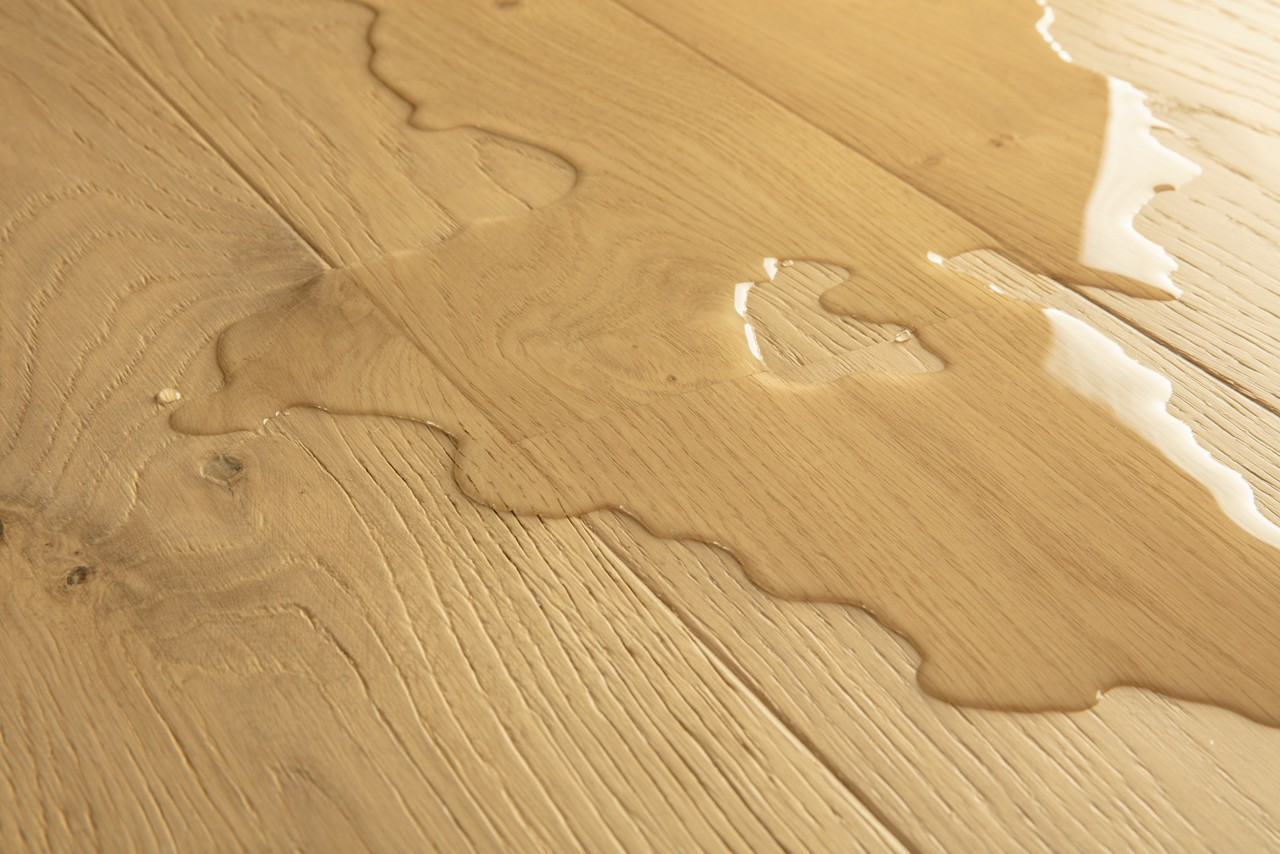
Quick-Step Parquet is produced in two types. One collection uses a high-density fiberboard (HDF) core, while another uses a rubberwood, or hevea, core. Both can be installed throughout the home, including kitchens and bathrooms.
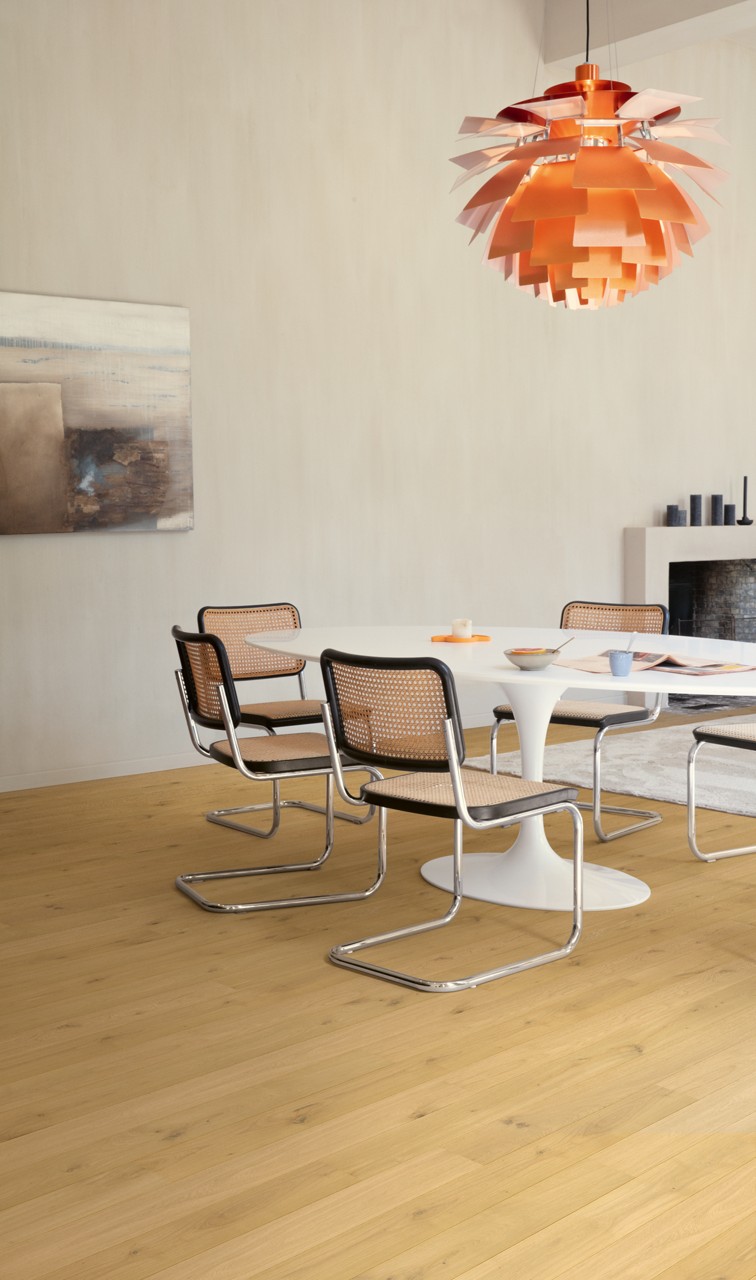
What changes is the very role of the floor. A surface once treated cautiously for fear of splashes becomes one that can be wiped with a damp cloth without worrying about stains. More importantly, wood, once stopped at the kitchen threshold, can now cross it and become a confident finish within the kitchen itself. The areas once covered with tile or floor mats disappear, allowing the same grain to continue from the living room into the kitchen. In other words, there is less reason for the mat to be there at all.
This performance is already being tested in one of the most demanding environments. Around 1,600 guest rooms at Grand Hyatt Jeju Dream Tower, which opened in 2020, use this wood flooring. Hotels, with heavy foot traffic and rigorous maintenance standards, demand exceptionally durable flooring. Shinmyung Maru says the floors have remained in place since opening without requiring significant repairs.
The Comfort Comes from What You Cannot See
How can a real wood surface withstand water? The answer lies in three invisible layers of protection. At each stage — how the flooring is built, how its surface is treated, and how it is installed — another barrier is added against moisture.
First comes the structure. Parquet is not cut from a single solid piece of timber. Instead, a thin layer of real wood is placed over a stable core such as rubberwood. The outer layer provides the appearance of natural timber, while the HDF or rubberwood core resists warping and moisture. By combining a surface that naturally moves with a more stable core beneath it, the board remains relatively stable even as temperature and humidity fluctuate.
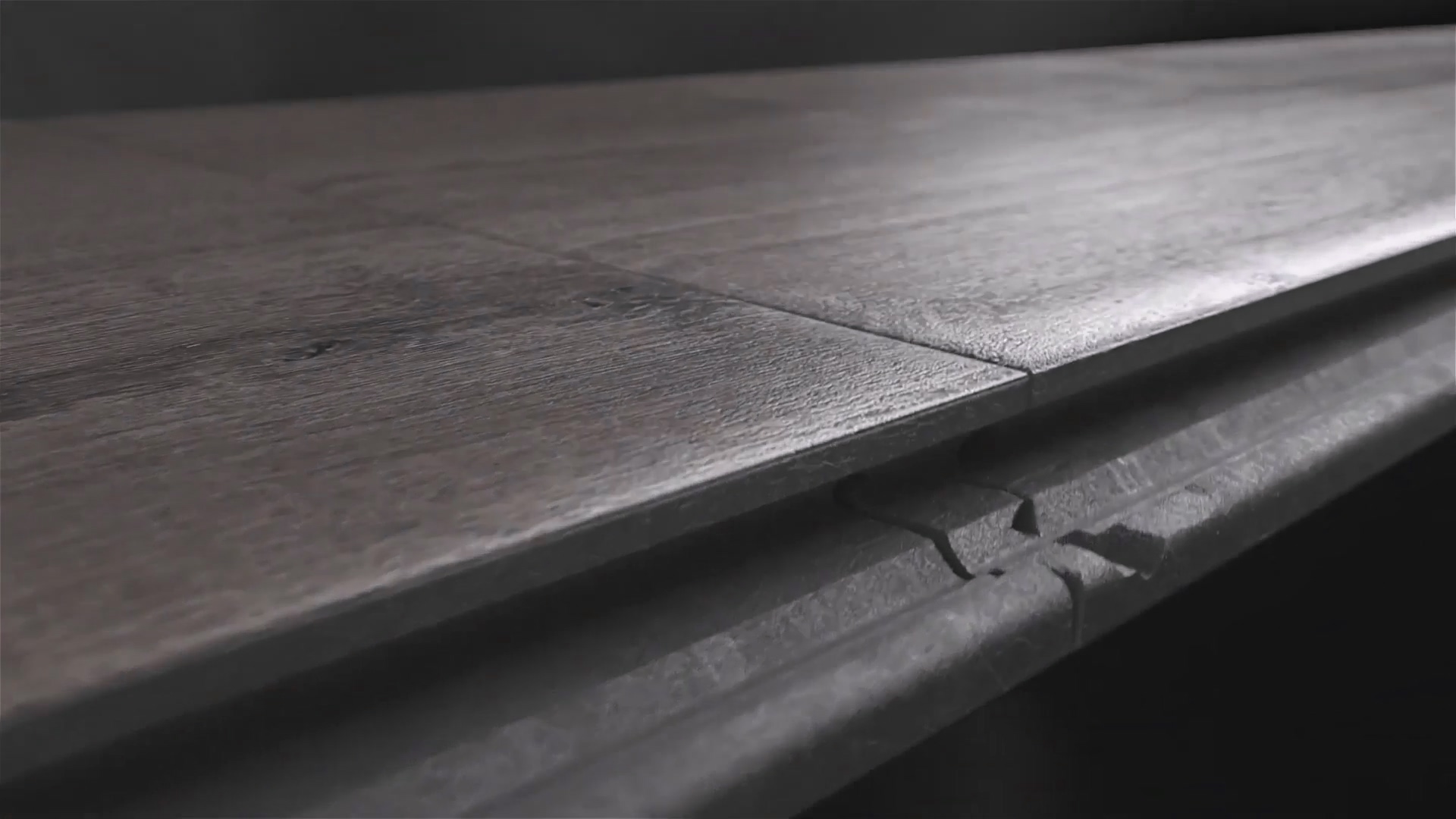
Next is the surface. Parquet is coated to repel water and stains. Quick-Step says this treatment protects the surface even when water remains on it for up to 72 hours. The sides of the boards are also treated, helping prevent even small amounts of moisture from penetrating through the edges.
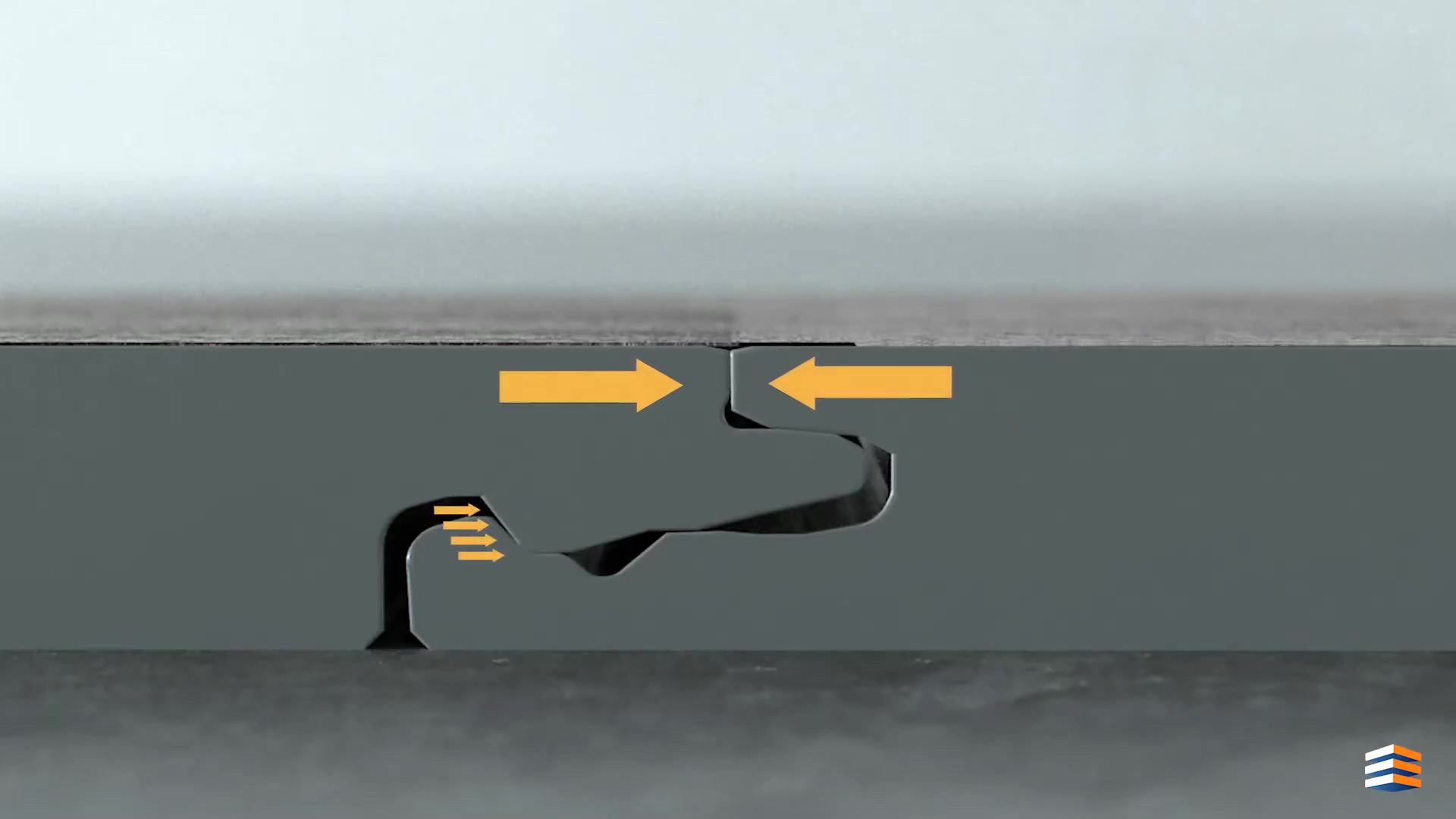
The final layer is installation. Water most often enters wood flooring through the joints between boards. Parquet uses the Uniclic system, which locks boards together without adhesive. The tight connection reduces the space through which water can enter. Installation is faster because no glue is required, while the joint itself helps block potential paths for moisture. The coating protects the surface and sides, while the click connection holds the joints under pretension — effectively closing off every route water might otherwise take.
Six Decades with Wood, Now with Fewer Harmful Chemicals
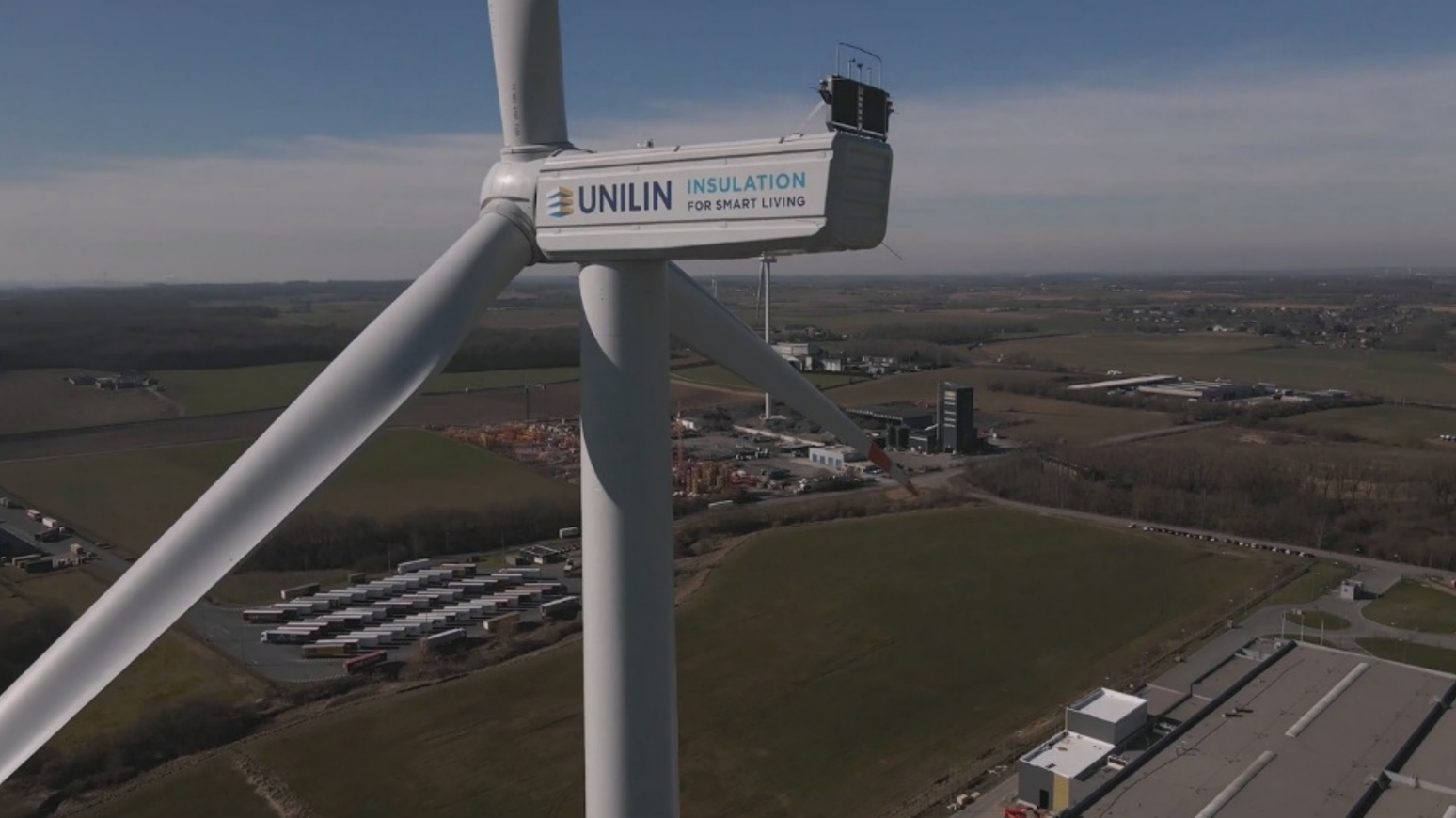
These technologies are the result of decades of accumulated expertise. Parquet is made by Belgium-based Unilin. Founded in western Belgium in 1960, the company has grown into a building materials manufacturer spanning flooring, wood-based panels, and insulation, and since 2005 has been part of Mohawk Industries, one of the world’s largest flooring groups. The technology that established Unilin’s reputation in the industry is Uniclic. Patented by the company in 1997, the system allows flooring to lock together without glue or nails. Today it has become an industry standard, licensed even by competing manufacturers. The fact that others license a technology Unilin created says much about how deeply the company has studied flooring over the decades.
The ease Parquet offers — preserving the natural grain of wood while resisting water and scratches — is therefore not a sudden trick. It is closer to the result of more than sixty years spent selecting, slicing, bonding, and finishing timber. In Korea, Unilin Quick-Step products are exclusively imported and distributed by Shinmyung Maru, a company that has focused on flooring distribution and installation for three decades.
That accumulated expertise continues to evolve. For years, the water- and stain-resistant performance of flooring relied heavily on PFAS, a class of fluorinated chemicals known for repelling water and oil. But because these substances persist in the environment and can accumulate in the body, the European Union and the United States began tightening restrictions on their use from 2025. Unilin moved ahead of those regulations by developing a water-resistant coating formulation without PFAS. The waterproof performance remains, while the harmful substances once used to achieve it are removed.
The same effort to reduce impact extends beyond the product itself. Unilin has also increased the use of renewable energy and reduced carbon emissions in its manufacturing processes. Today, roughly half of the group’s production is powered by renewable energy.
Technology is often invisible. You cannot see what the coating beneath your feet is made of or how tightly the joints lock together. But the difference reveals itself over time — when water is spilled, after years of use, and in the air of the space where the floor has been installed.
A Well-Ordered Floor Is the First Step Toward High-End Design
Return, then, to the floor mat. In the end, what Parquet changes is the place that mat once occupied. The flooring no longer stops at the kitchen threshold. There is less reason to fear water, so the mat can be removed, allowing the same wood floor to flow continuously from living room to kitchen. The space reads as one coherent whole.
A well-ordered space feels refined regardless of its size. The “high-end” quality of Parquet lies less in expensive timber itself than in restoring the visual continuity that once had to be sacrificed because of water. And that order now rests on technology designed with fewer harmful substances. The value of a floor meant to remain for years comes from visible design and invisible technology working together.