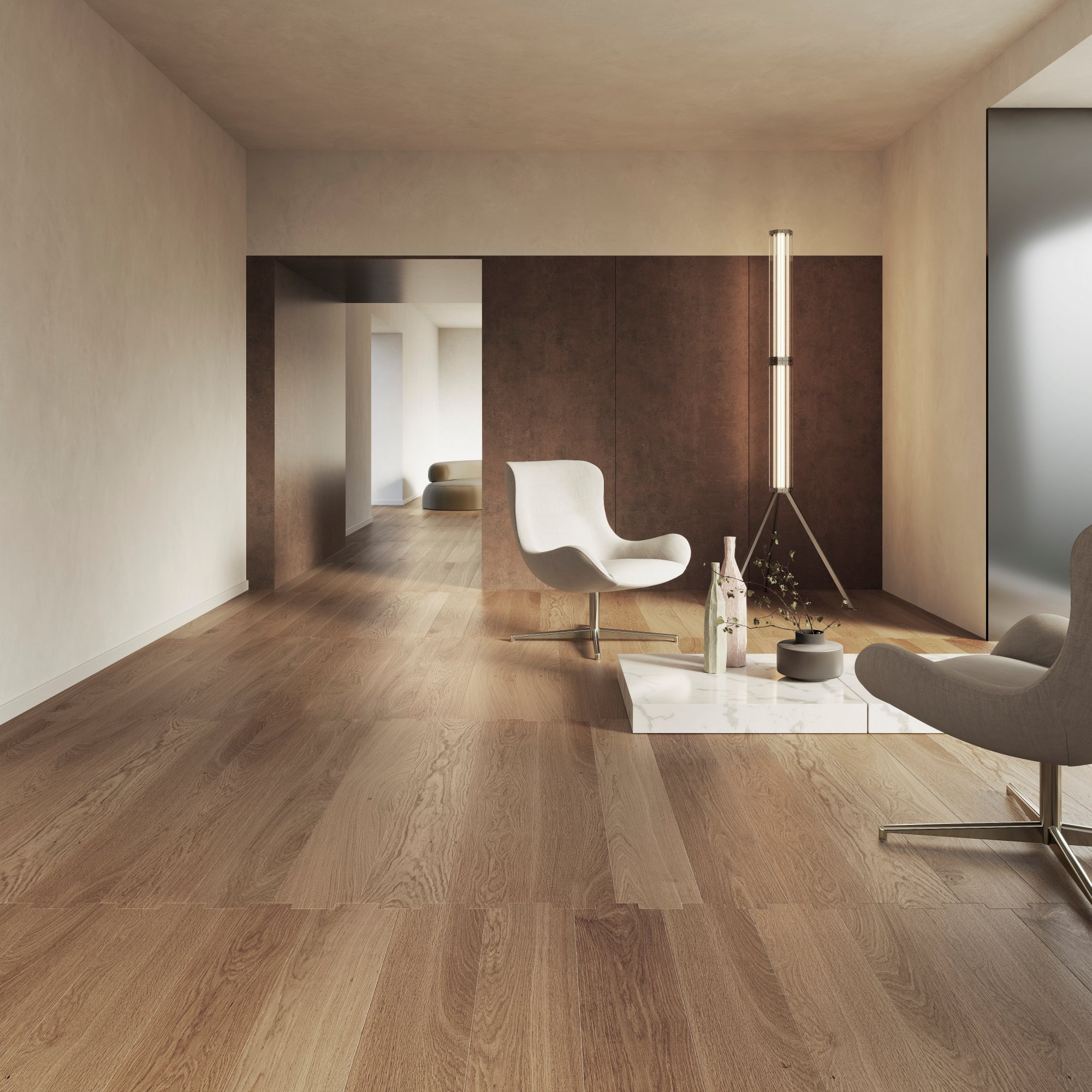
When choosing flooring, we usually look at the pattern, how it feels underfoot, and how easy it is to maintain. We choose the color and grain of the wood, and consider how well it resists scratches and moisture. The criteria for choosing flooring generally end with the finished surface.
What we rarely ask is where that wood grew, in what forest, and for how long. This is despite the fact that the value of solid wood flooring often depends more on the quality of the timber itself than on the finesse of its finish.
Italian wood flooring brand Listone Giordano begins with precisely that question. For the company, making a good floor begins with the forest and the soil, with healthy trees, and with the sawmill that cuts them. This article is an invitation to follow that journey.
It Begins in the Forest
The wood used by Giordano comes from the oak forests of Burgundy, France. The company treats the story of these forests as the starting point of its materials. According to the company, Burgundy's oak forests begin at densities of up to one million trees per hectare. Over roughly two centuries of growth, they are gradually thinned until only around 100 of the straightest and strongest trees remain.
Slow-growing trees develop tighter growth rings. Tighter rings indicate denser wood, and denser timber is less prone to warping. That is why Burgundy oak, grown over long periods in calcareous soil and a temperate climate, is known for its strength and consistency.
If much of the stability and durability of solid wood flooring is determined by the wood itself rather than by the finishing process, then the choice of timber becomes the first critical step. That is why Giordano places such importance on the origin of its raw material.
Harvested and Sawn in Burgundy, Produced in Italy
Choosing good timber and handling that timber directly are two different things. Many flooring companies purchase lumber or semi-finished materials for further processing. Giordano reaches further upstream.
Its parent company, Margaritelli, has owned and operated a sawmill in Fontaines, France, since 1962. The mill handles 40,000 cubic meters of timber each year, 90% of it oak, sourced from forests within a 200-kilometer radius. Harvesting and sawing take place in Burgundy, while drying and production are carried out at the company's factory in Perugia, Italy. From cutting the timber to turning it into finished flooring, the material never leaves the hands of the same company.
At the center of this system stands one man. In 1984, Professor Guglielmo Giordano introduced a new type of flooring designed to overcome the limitations of traditional solid wood floors. A professor of wood engineering at the University of Florence, he developed a structure that placed multiple supporting layers beneath a solid wood top layer to reduce warping. It was an early form of the engineered wood flooring now widely used today. The brand name 'Giordano' comes from the professor himself.
When the Quality of the Material Shows on the Surface
Having strong raw material does not automatically make a good floor. What remains is deciding what expression to give its surface.
Each year, Giordano collaborates with leading architects and designers on its 'Natural Genius' collection. Piero Lissoni, Patricia Urquiola, Michele De Lucchi, and Marc Sadler are among the names that have created individual lines for the collection.
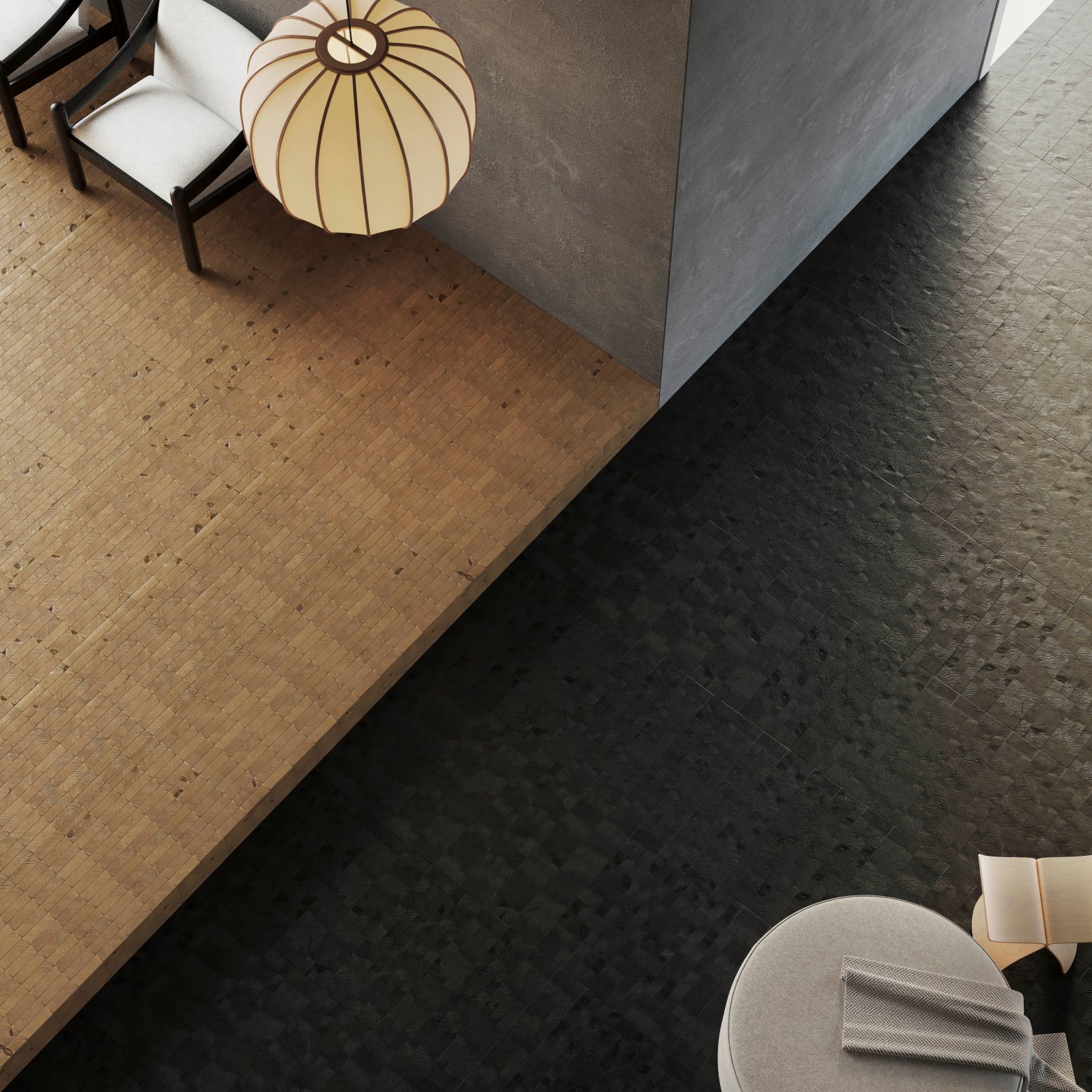
Floor patterns are difficult territory. A poorly judged pattern can make a space feel smaller or visually restless. That is why most floors choose to recede into the background. Giordano's patterns take the opposite approach, working with furniture and other finishes to add character to a space. The floor does not try to become the face of the room, yet it still elevates the overall impression of the interior.
Korea as a Testing Ground
Korea is a demanding market for solid wood flooring. Ondol underfloor heating warms the flooring from below, while dramatic seasonal changes in humidity cause wood to expand and contract. Over time, solid wood can warp, develop gaps, or begin to creak underfoot. This is one reason why even high-quality imported wood flooring does not always endure well in Korean homes.
Giordano has remained stable under these conditions. The reason lies in the combination of the material quality and multilayer structure described earlier. Dense timber with tight growth rings is less sensitive to changes in humidity, while the multiple supporting layers help the flooring withstand heat and moisture from below.
As a result, Giordano has repeatedly been selected for some of Korea's most demanding luxury residential projects. Nine One Hannam, Cheongdam Le El, Raemian One Bailey, and Eterno Cheongdam are among them. When the same material continues to be chosen for projects where the long-term performance of flooring is scrutinized most closely, that choice becomes a form of validation in itself.
What to See at KOREA BUILD
This will be Giordano's first appearance at a Korean exhibition in 14 years. At this year's KOREA BUILD, the brand will present four new Natural Genius products first unveiled at Salone del Mobile 2026 in Milan.
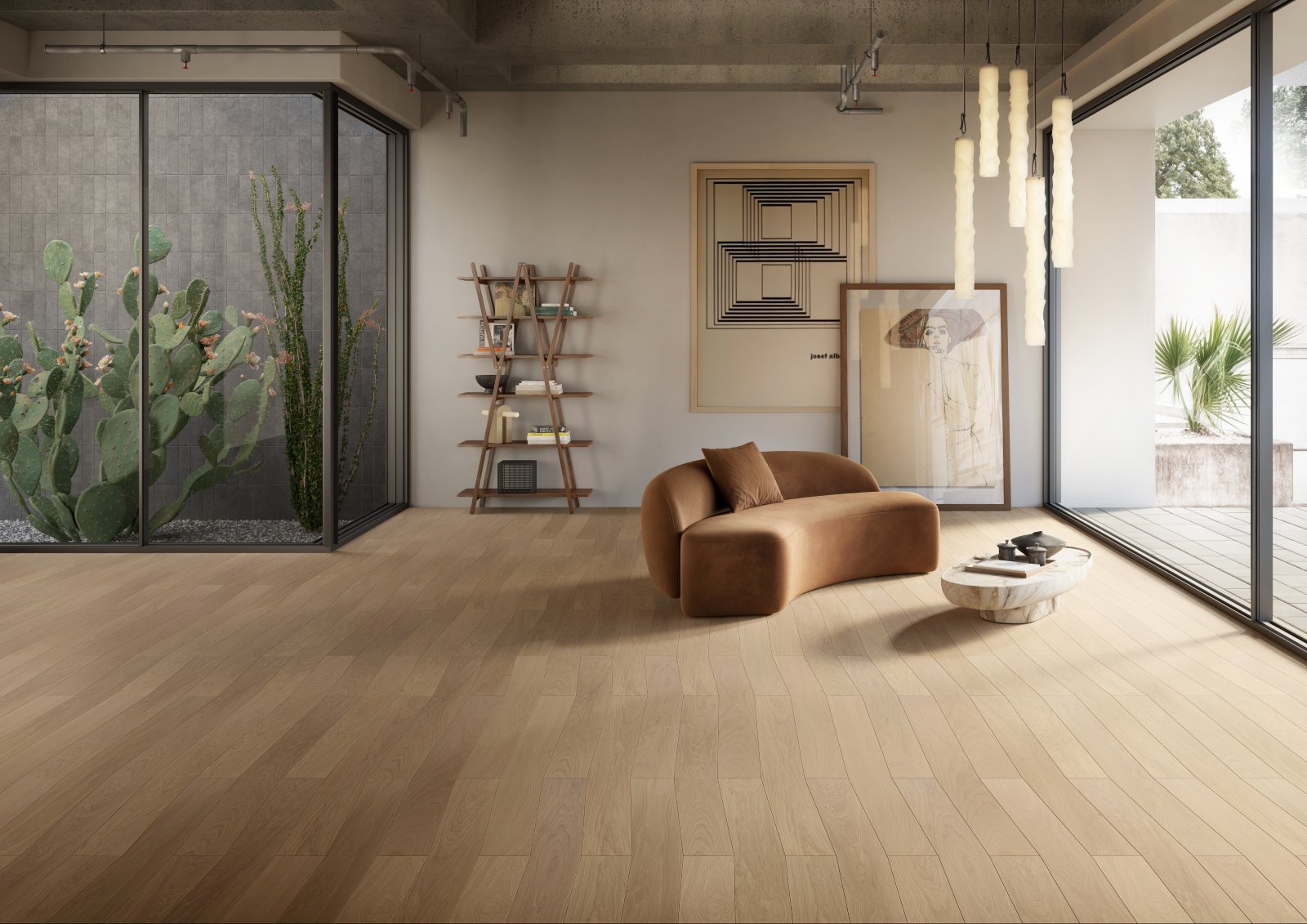
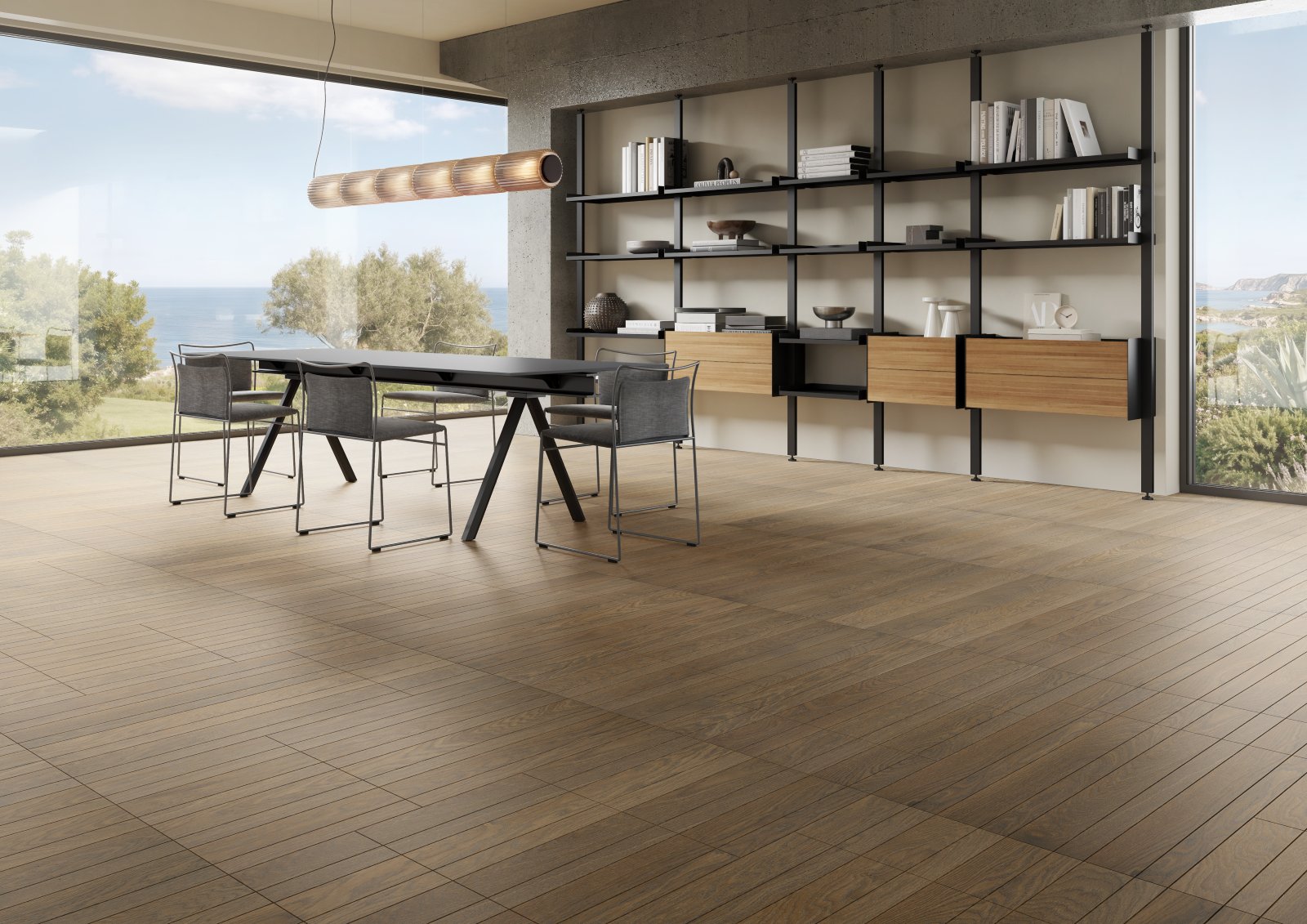
Opera Aperta is a pattern by architect Piet Boon, inspired by the arches and stone detailing of Renaissance architecture. Trame, designed by Patrick Jouin using three modules, creates different patterns across walls and floors depending on how the elements are arranged.
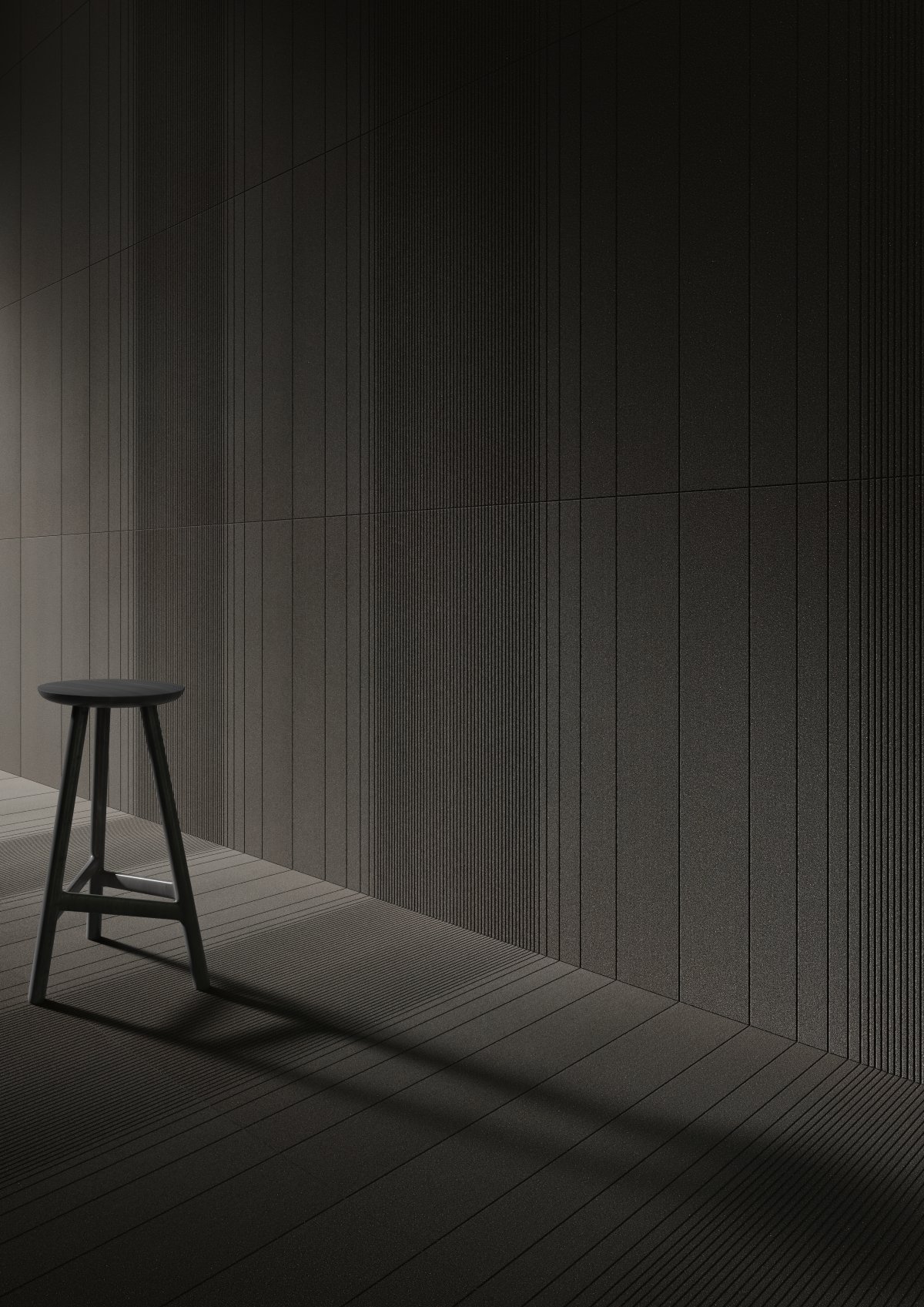
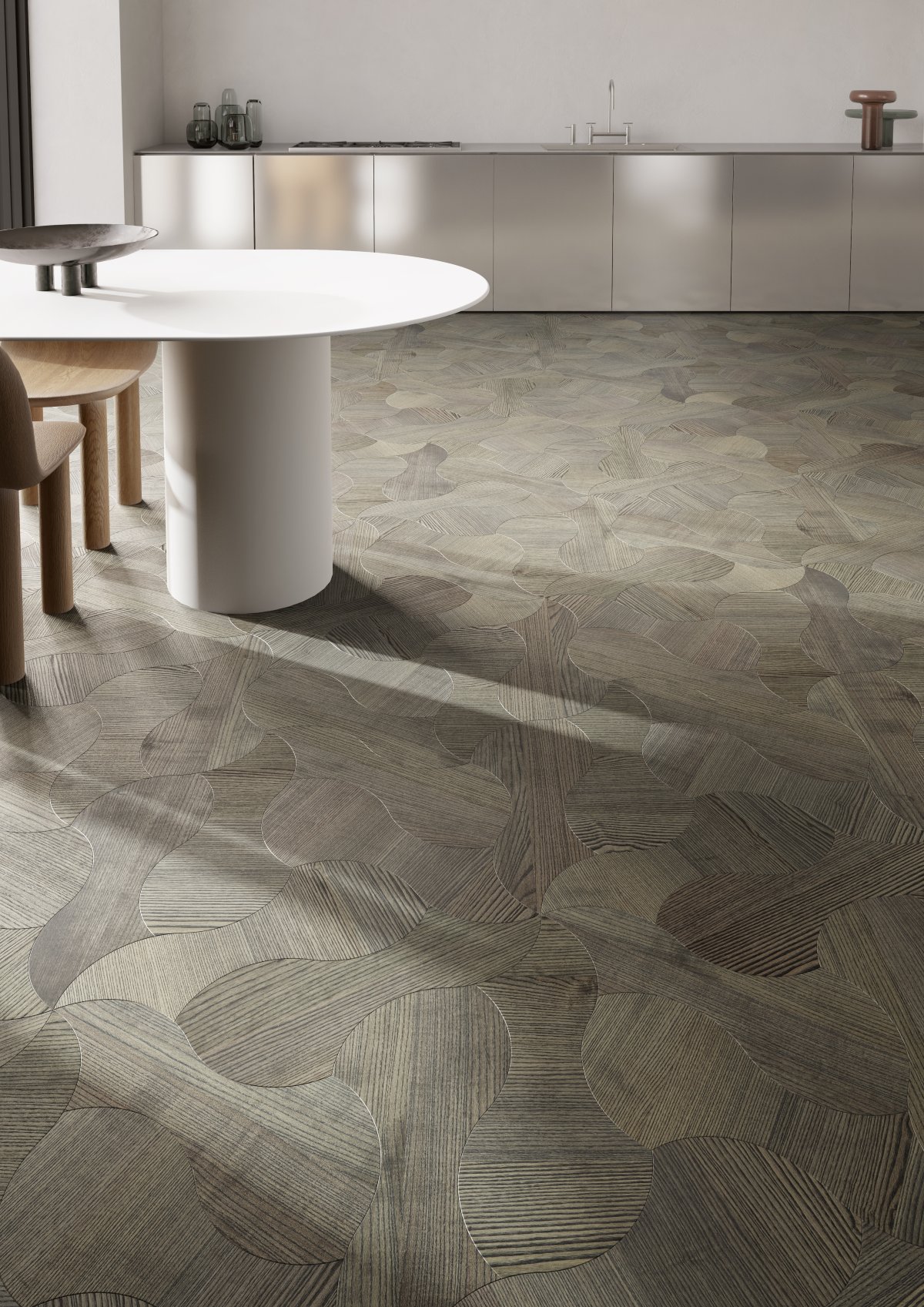
Phibon, designed by Emanuel Gargano, draws on the Fibonacci sequence and the golden ratio, combining cork into its structure to provide sound-insulating performance. Supernova, by Pietro Olioso, translates the explosion of a star into the form of a flower.
These new pieces will be joined by signature collections from the Natural Genius archive. All of them come together this August at KOREA BUILD.
Quality Comes from Control
From choosing trees in the forest to shaping the final expression of the floor, every stage remains under the control of a single company. This is ultimately where Listone Giordano sets itself apart from other wood flooring brands. The ability to trace the origin of the material, maintain long-term stability in the finished product, and turn the floor into part of a space's character all comes from that control.
A good floor is already decided before the timber is ever cut. That is what the phrase really means.