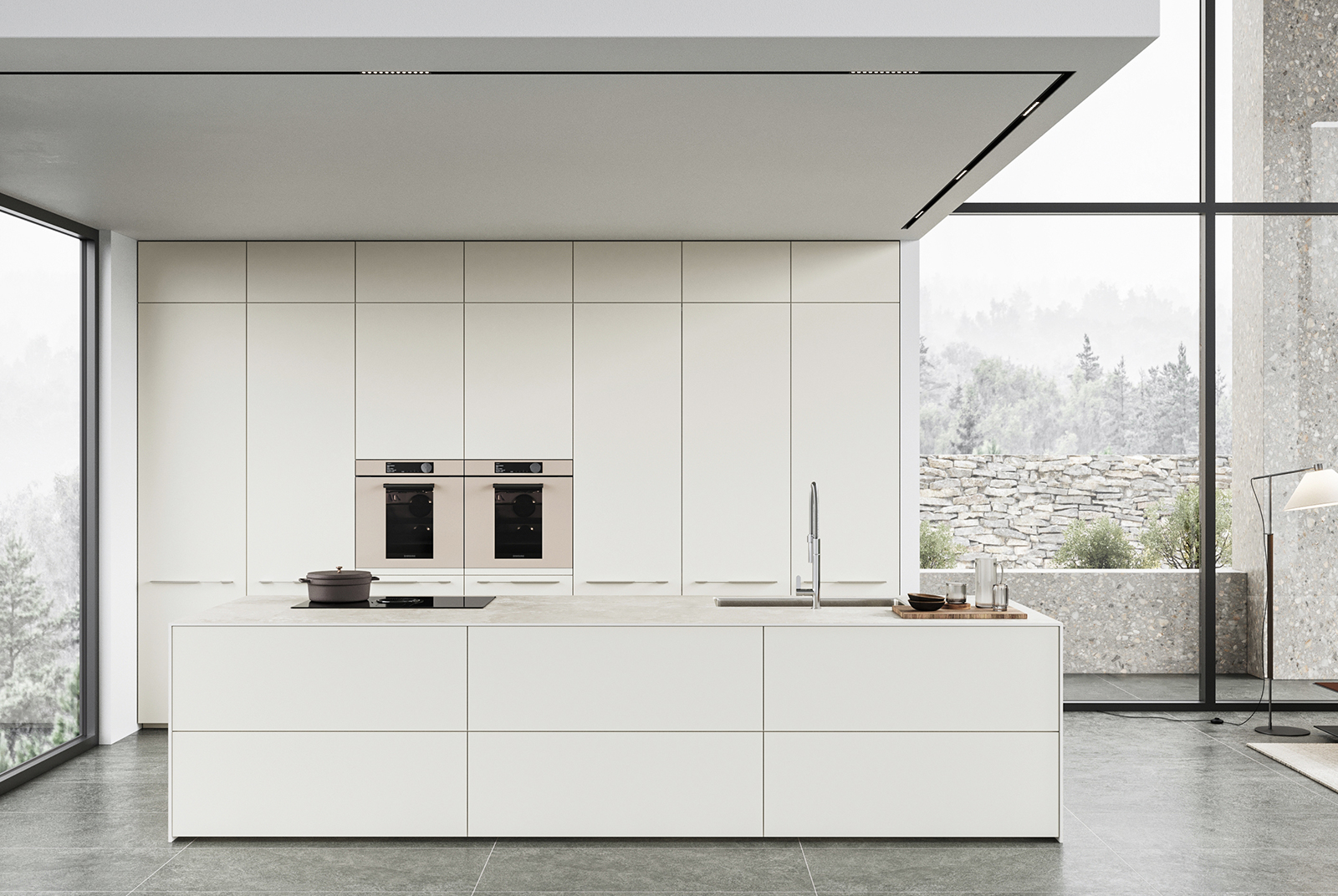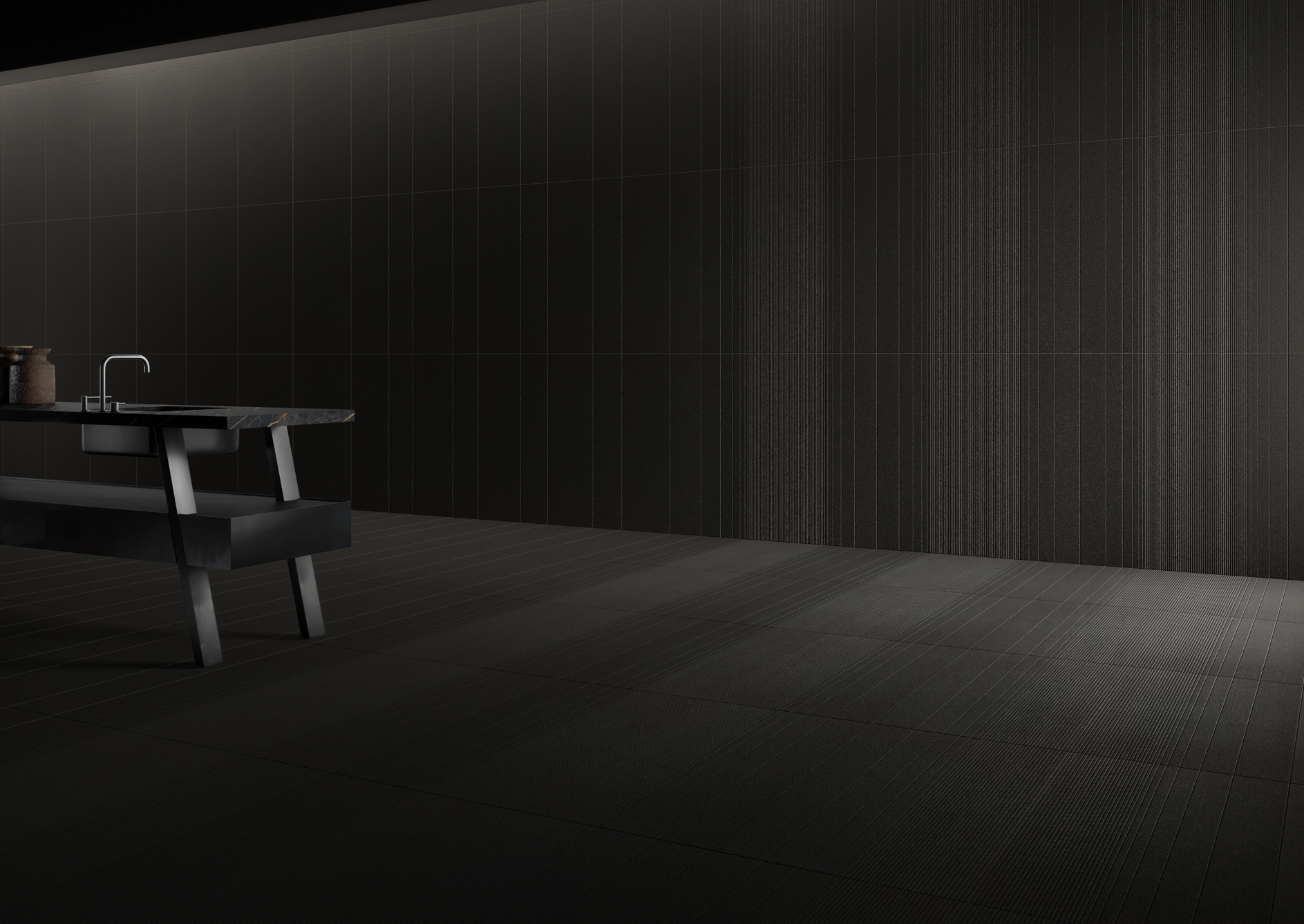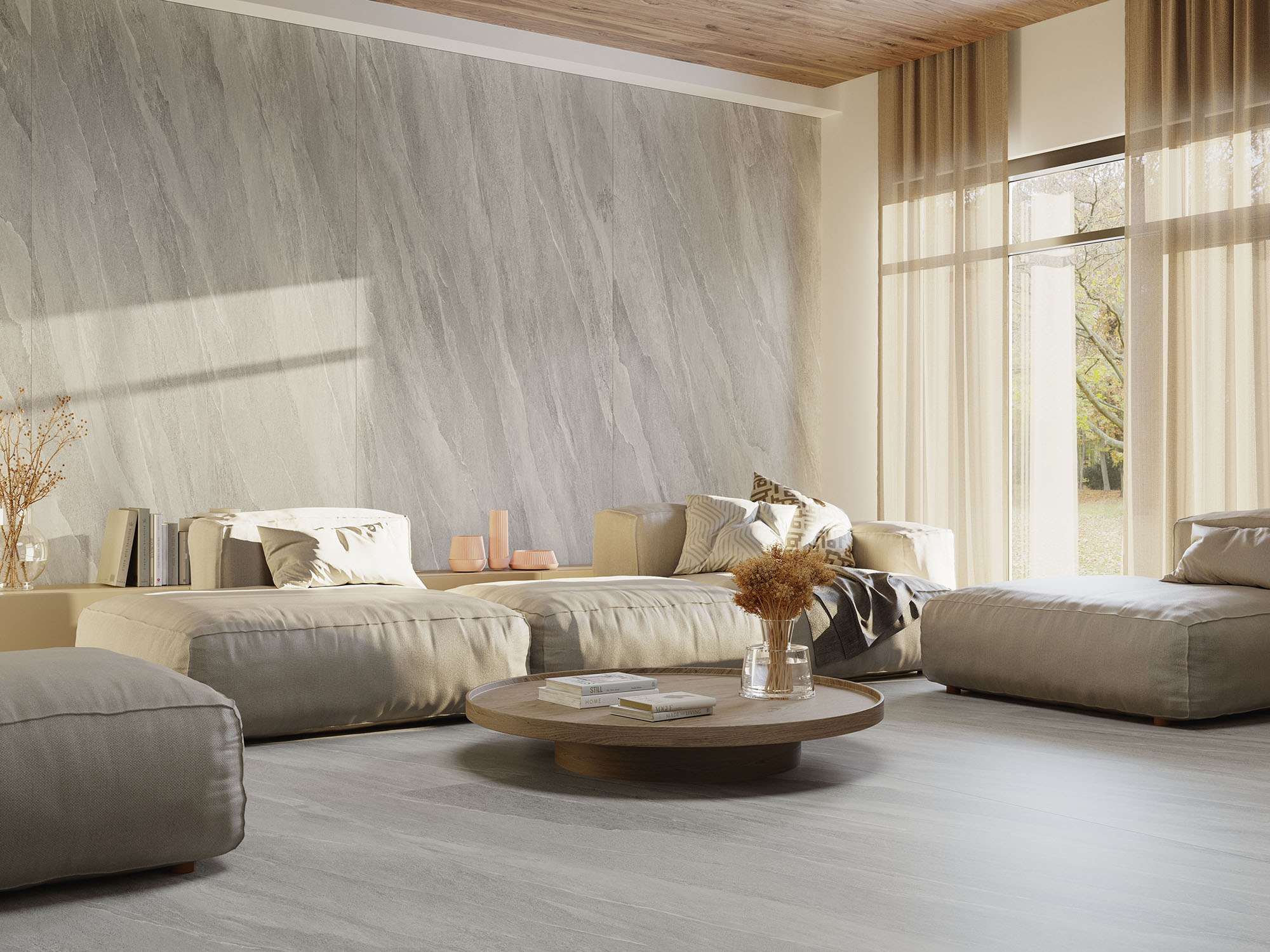
This August, twenty Thai design brands are coming to COEX in Seoul. If you're imagining scented candle shops or souvenir stands, you're only half right. What they are bringing with them are wall panels made from corn husks, chairs crafted from melted scrap metal, and flooring laid with offcuts from a 50-year-old woodworking shop. The technique of breathing new life into discarded materials to create spatial elements — this is what Thailand does best these days. The Thai government has even given this movement the name 'Design from Waste' and ships it to Korea every year. Here are the twenty brands crossing the sea this year.
FOCUS 1
How Discarded Materials Become Spatial Elements
Here are seven brands transforming industrial and agricultural waste into spatial materials.
Photos © Courtesy of Royal Thai Embassy / Space Design Fair 2026
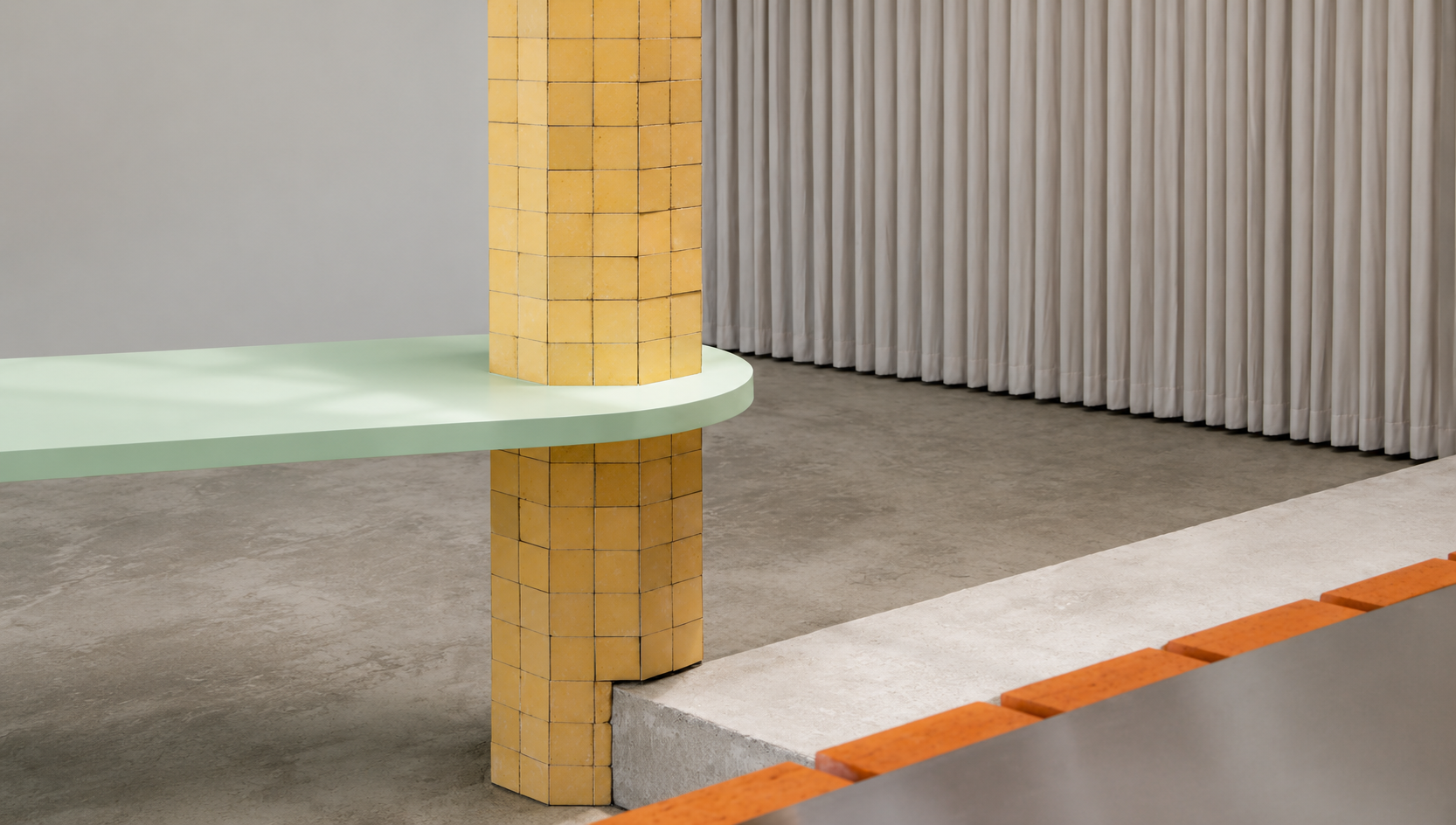
Broken dishware turns into tiles — tiles that are even sturdier than those fired from fresh clay. loqa creates these tiles by mixing over 80% waste ceramics, glass, and factory scraps, and curing them. Featuring a matte finish, smooth texture, and over twenty colors, they fit seamlessly onto walls, floors, and cafe counters. Because they are hardened without firing, they even require less energy to make.
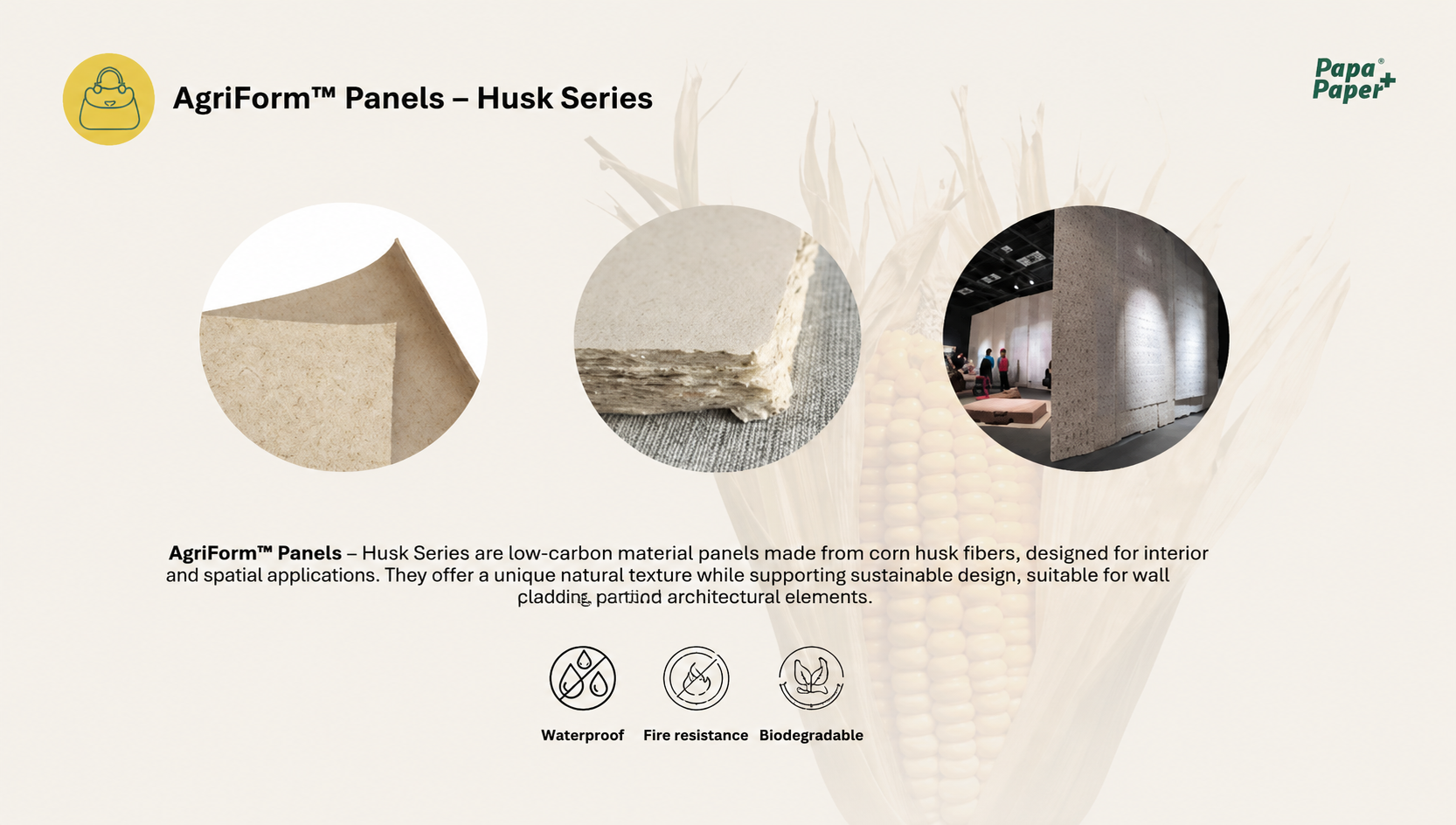
When light hits, straw-like textures show through inside the translucent sheet. This is PAPAPAPER's panel. Inserted into office partitions or doors, it serves as a subtle screen, and the source of that texture is corn husks, coconut husks, and coffee grounds. Agricultural by-products that would otherwise be burned off are repurposed into fibers without burning and embedded into the panels.
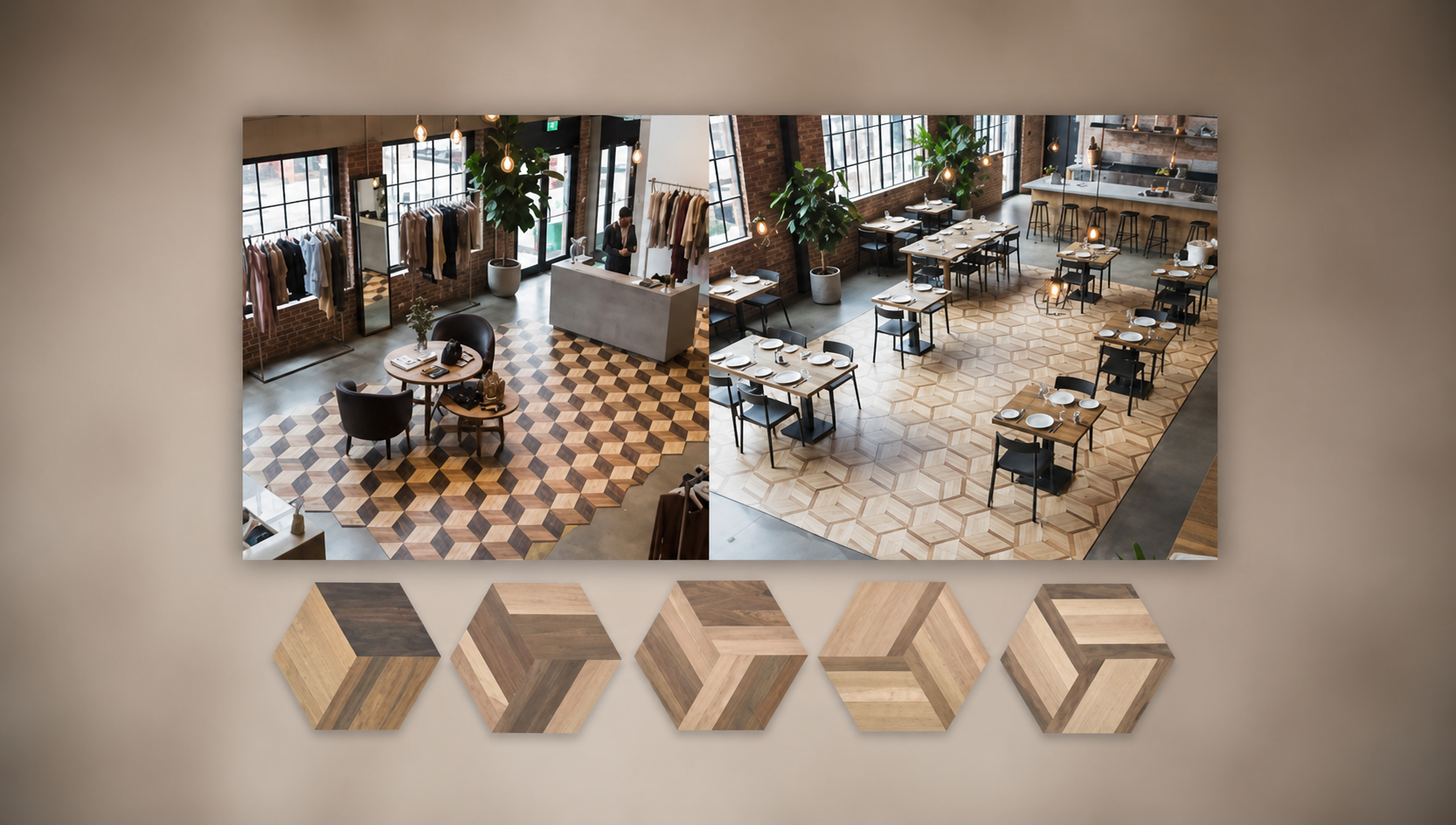
Solid wood flooring assembled in herringbone and hexagonal patterns. The deep grain and color unique to teak remain intact, elevating the sense of class from the ground up when laid in hotel lobbies. This is the craftsmanship DEESAWAT has refined over fifty years of shaping furniture. What's noteworthy is the origin of that wood — made by gathering offcuts generated daily in the factory. The Thai government has also selected this skill of utilizing discarded wood to the end as exemplary 'Design from Waste'.
Photos © Courtesy of Royal Thai Embassy / Space Design Fair 2026
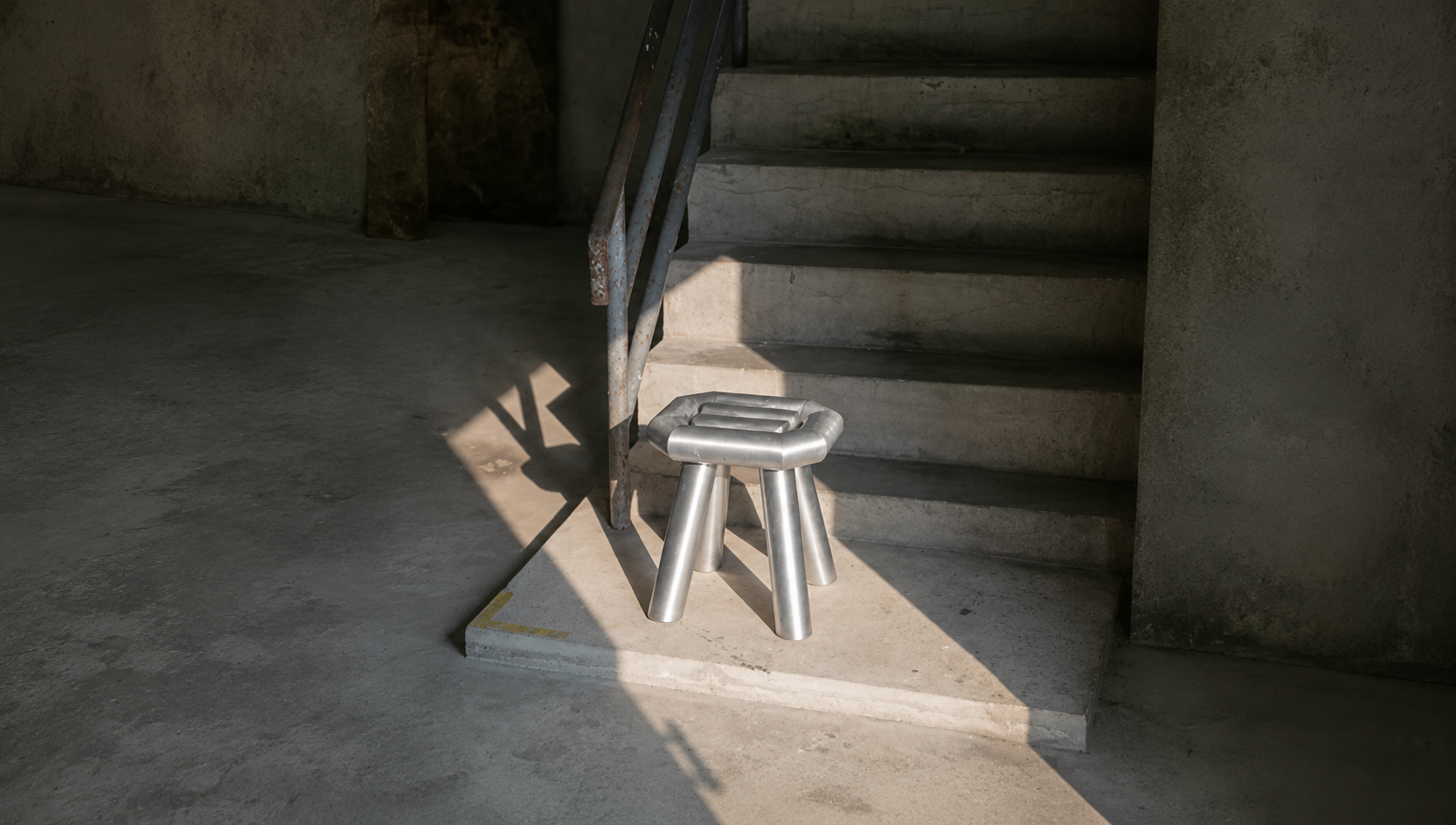
A stool that looks as if it were tied in a knot. This is furniture by RES, made by bending and connecting lightweight aluminum. Light enough to lift with one hand and rust-proof, it suits both indoors and outdoors. Assembled without screws or adhesives, if a part breaks, you simply replace that piece, and when it reaches the end of its lifespan, the whole item can be remelted. This is the craftsmanship of a family that has been working with metal since 1950.
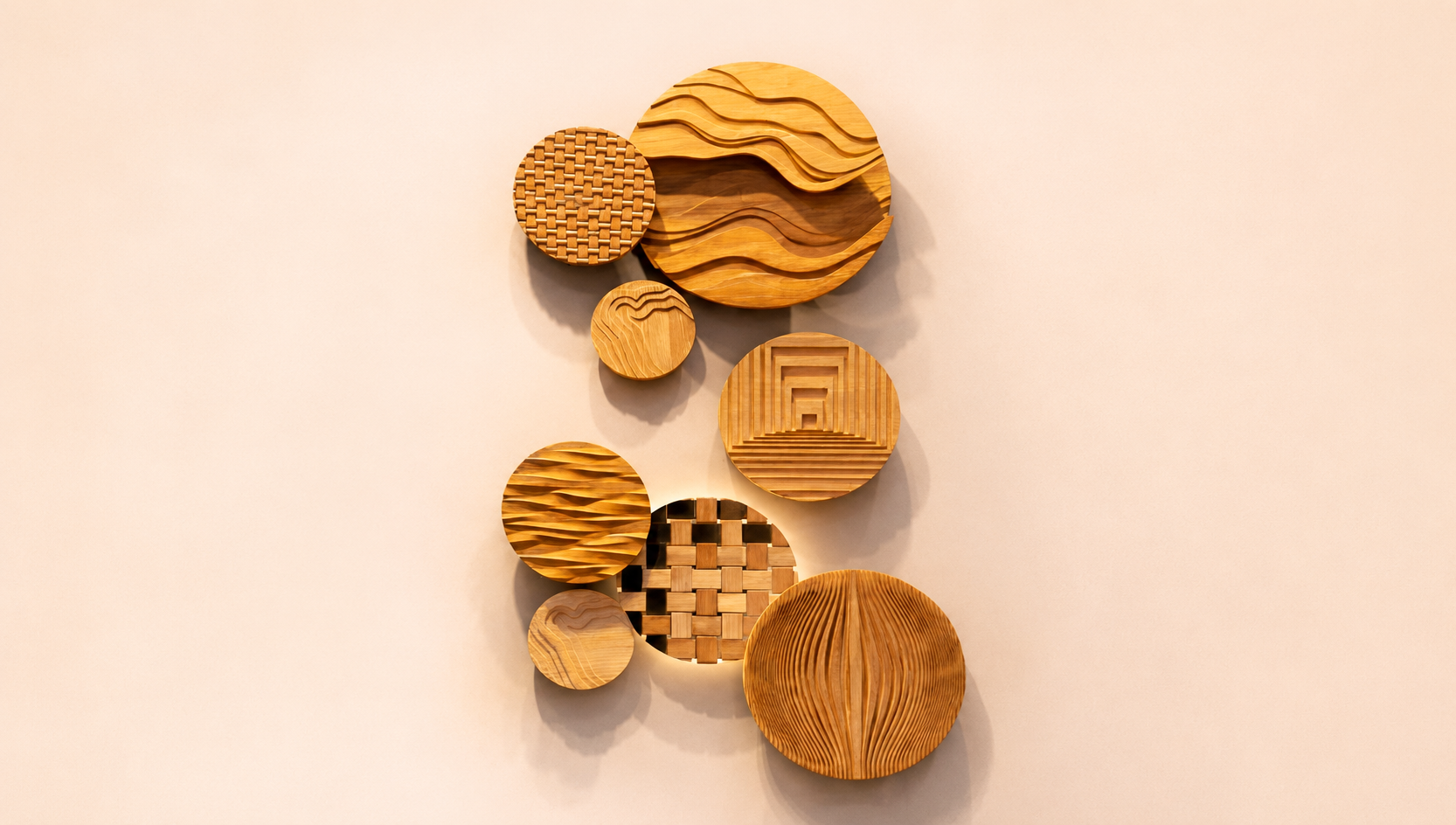
Multiple round wooden panels hang on a wall to form a single relief sculpture. Each panel features engraved wave and lattice patterns in Eggwhite's wall decor. The materials used are leftover pieces of rubberwood and teak from furniture production. Wood scraps that would have been thrown away have gained new light and shadow on the wall.
Photos © Courtesy of Royal Thai Embassy / Space Design Fair 2026
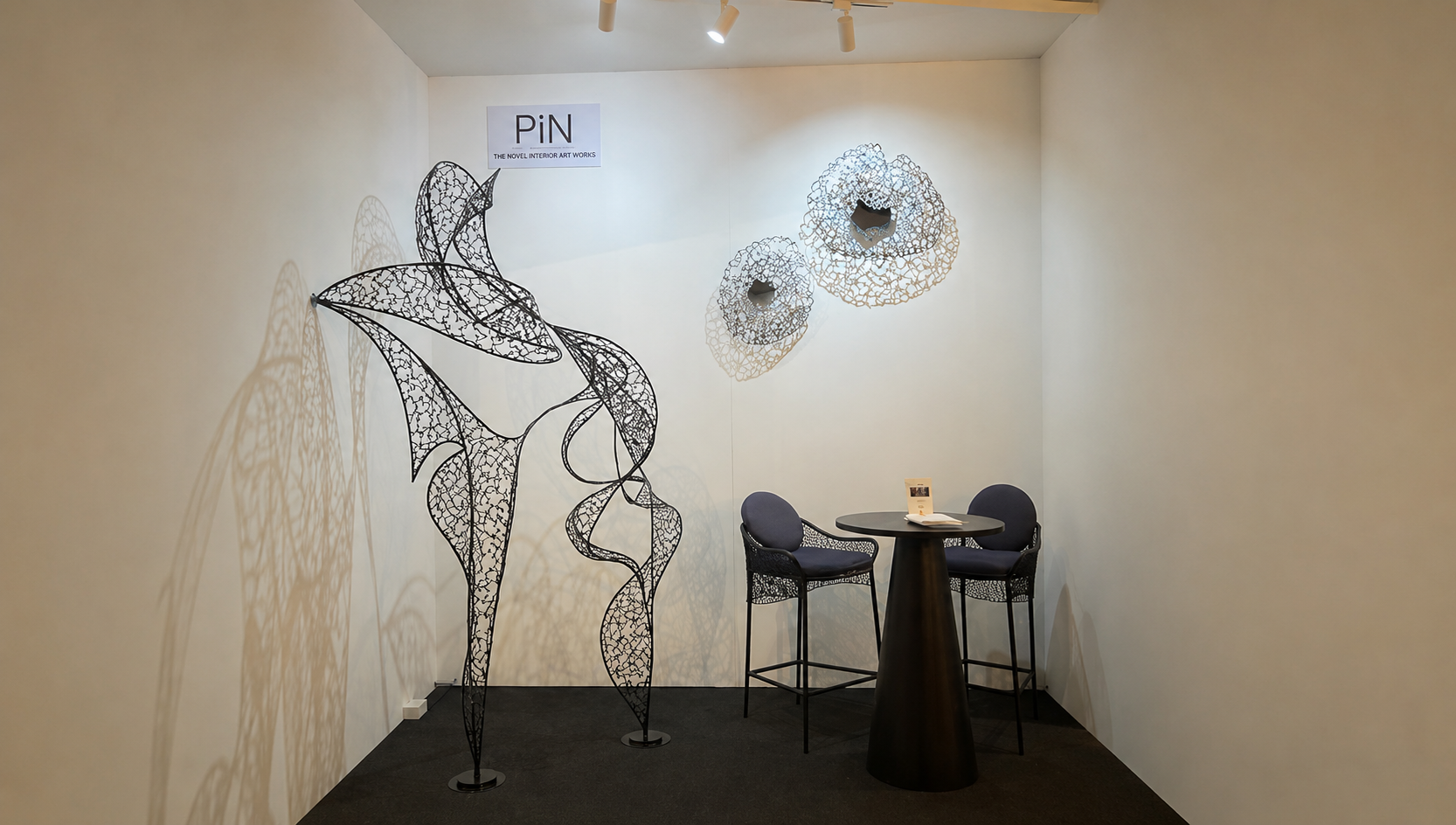
From a distance, it looks like an ink painting. Step closer, and thousands of iron threads reveal themselves. These are wall sculptures and lighting woven from scrap iron by Pin. The founder collects scrap steel from the family ironworks, such as door and window frame parts, reshaping them through light and form. It is a transformation where iron that lost its utility becomes artwork hanging on a wall.
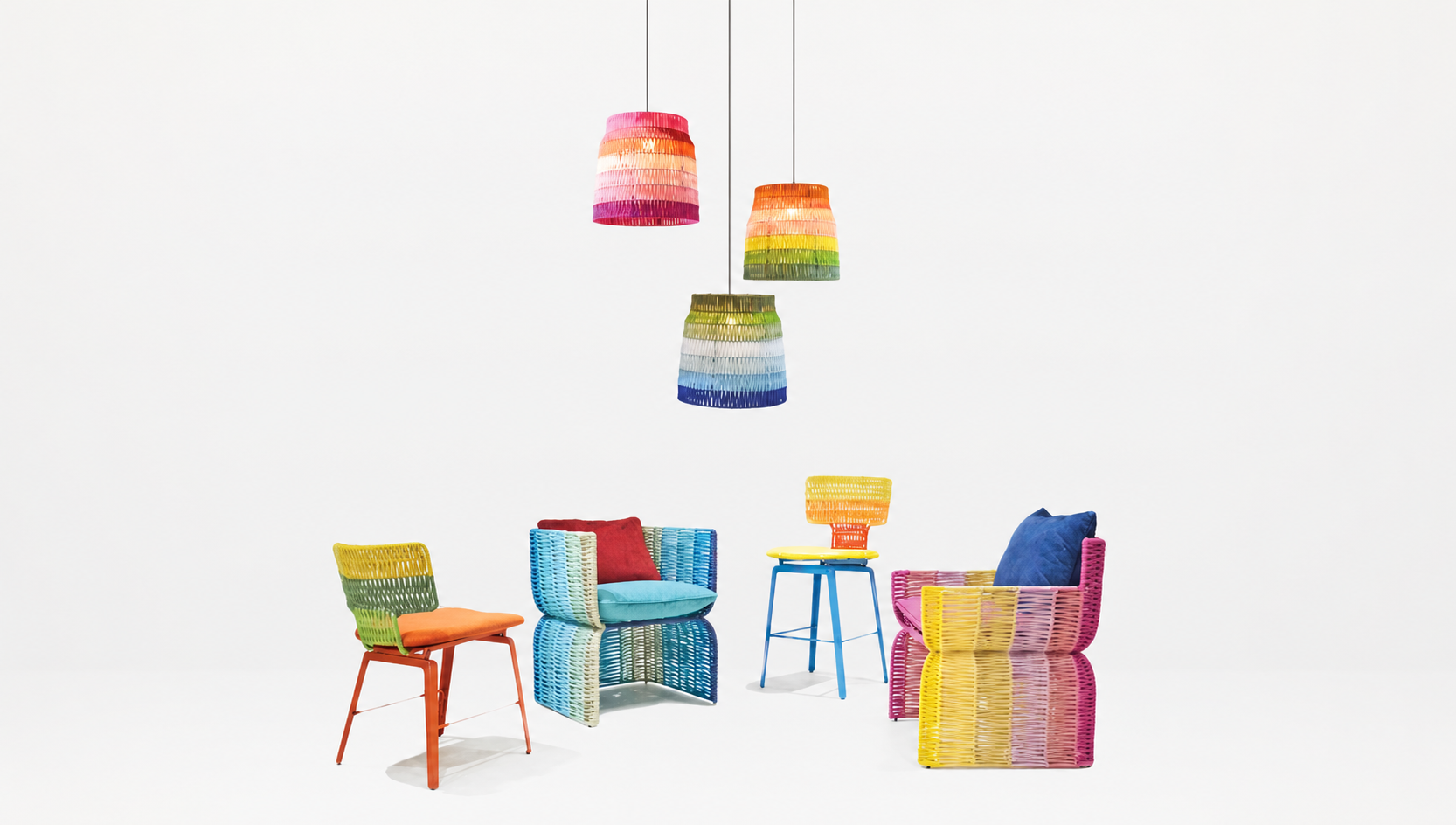
On the floor of a Bangkok workshop, plywood edges, broken threads, and leather scraps pile up. Instead of discarding them, TOUCHABLE hand-wraps them around steel frames. That is how chairs radiating colorful threads like rainbows come to life. Those chairs now reside in guest rooms at the Mandarin Oriental and Siam Kempinski in Bangkok, as well as the JW Marriott in Phuket.
FOCUS 2
Tradition Is Not Confined to Museums
Five brands reviving traditional handcraft skills into modern, everyday objects.
Photos © Courtesy of Royal Thai Embassy / Space Design Fair 2026
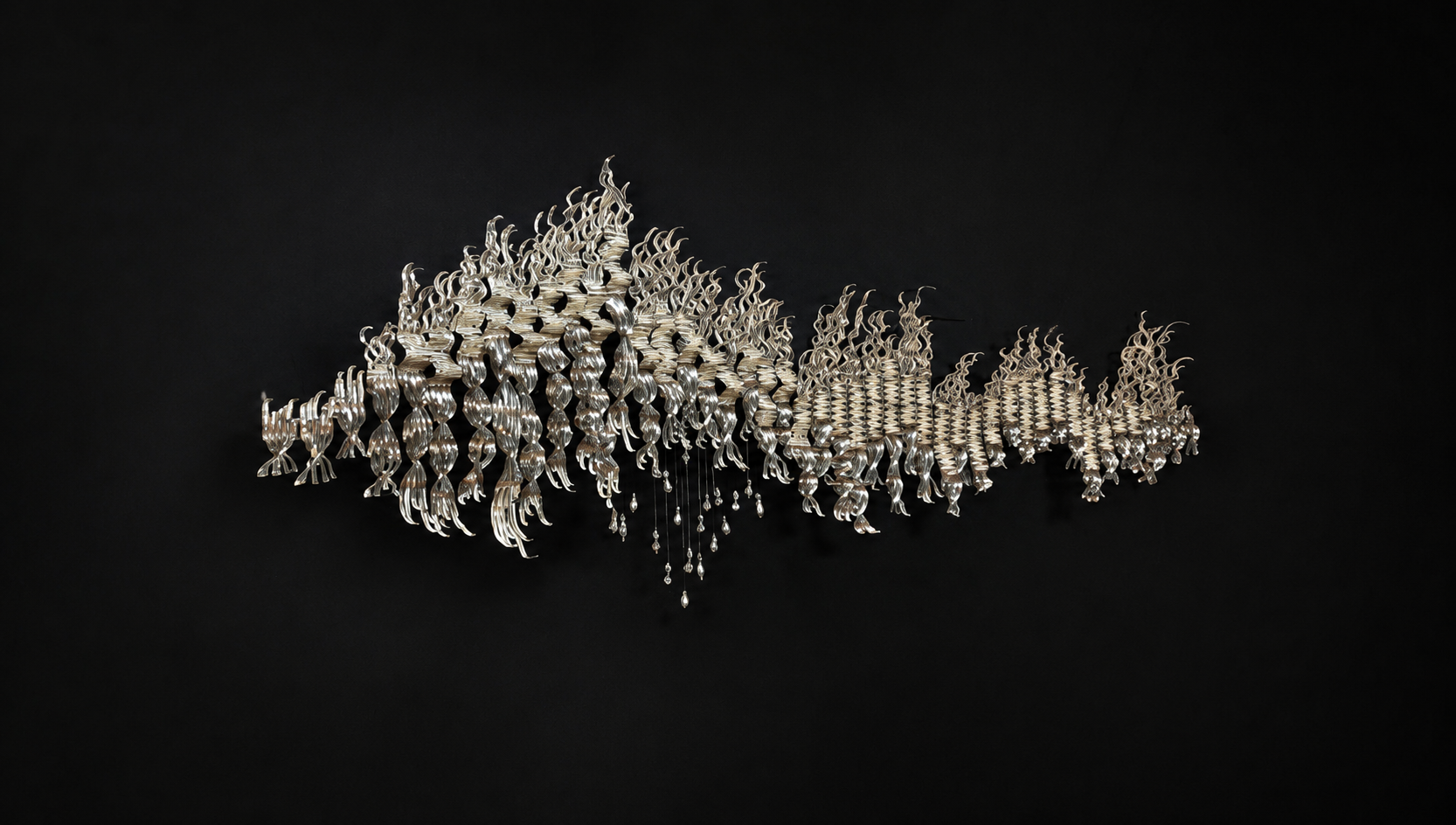
It shimmers like metal from afar, but as you approach, the texture of hand-woven leaves strand by strand is revealed. This is SARNSARD's wall decoration. Handwoven from the leaves of the tropical pandanus plant, large wave-like pieces serve as signature works. This weaving originates from the fingertips of women in a Muslim village in Trang, Southern Thailand. As fading handcraft techniques transition into urban interiors, work has returned to the village community.
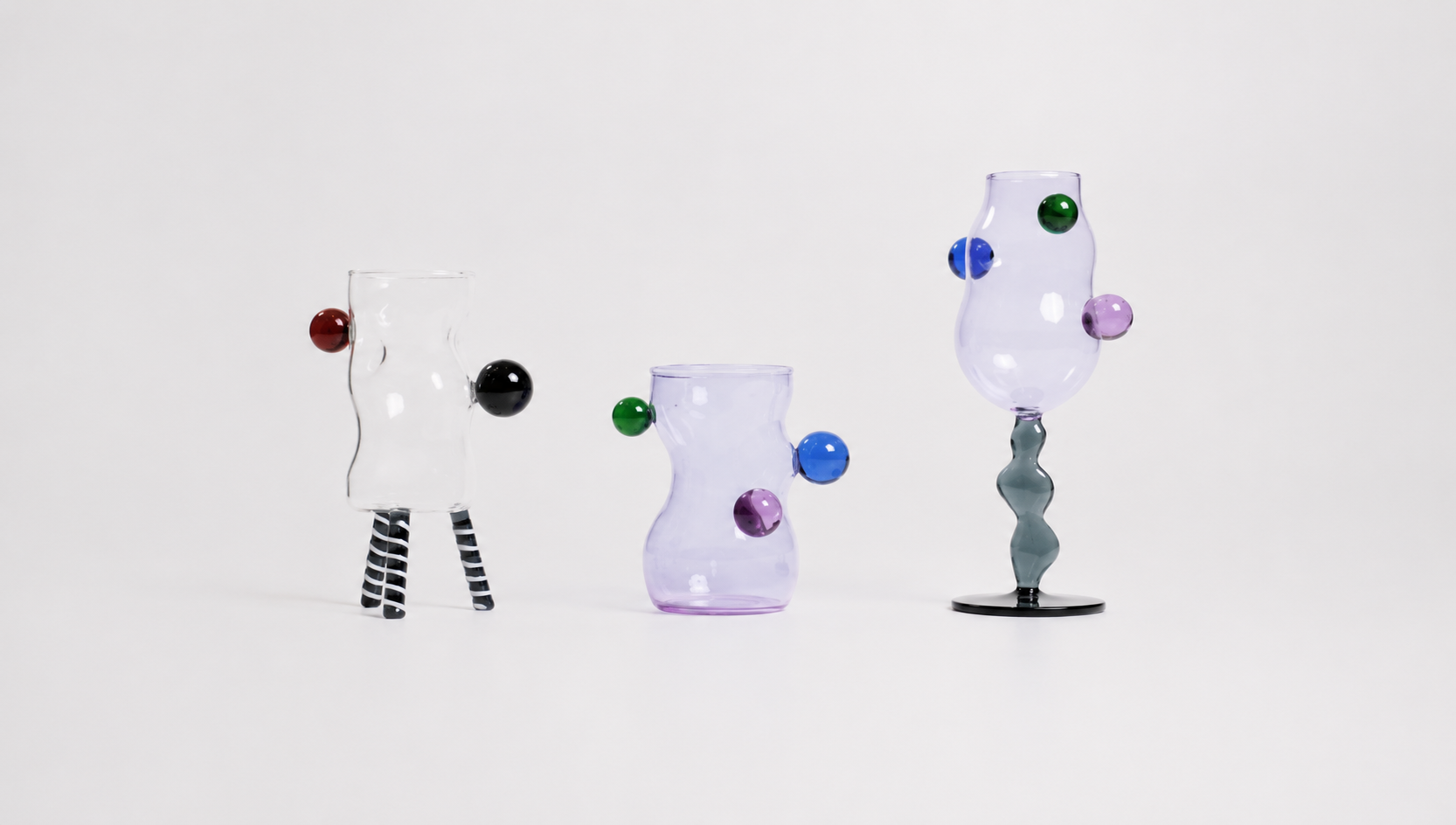
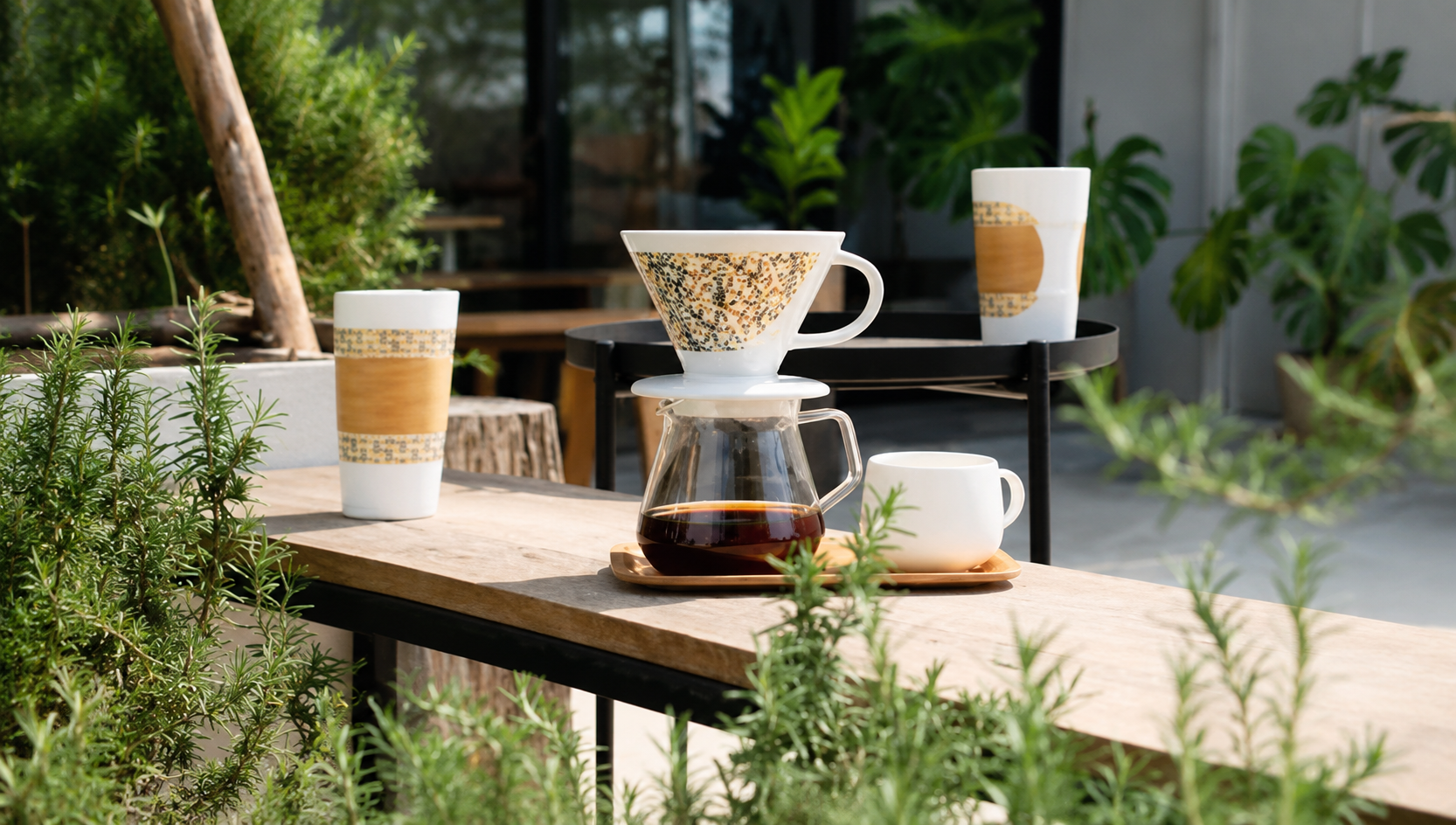
Because they are hand-blown glass, no two cups are identical. HIZOGA crafts color-infused glasses and vases using glassblowing techniques passed down through generations in local communities. A melting-like form is this brand's signature. Rather than mere drinking utensils, they are closer to small sculptures held in the palm of your hand.
Firing over and over, applying five colors layer by layer. This is the traditional Thai method of Benjarong ceramics. Because it requires labor-intensive detail, this technique was originally reserved for royal tableware, but THAIBENJARONG has carried on the family tradition since 1966. What catches the eye is the washbasin crafted with this method — bringing royal floral patterns right into the center of the most private space.
Photos © Courtesy of Royal Thai Embassy / Space Design Fair 2026
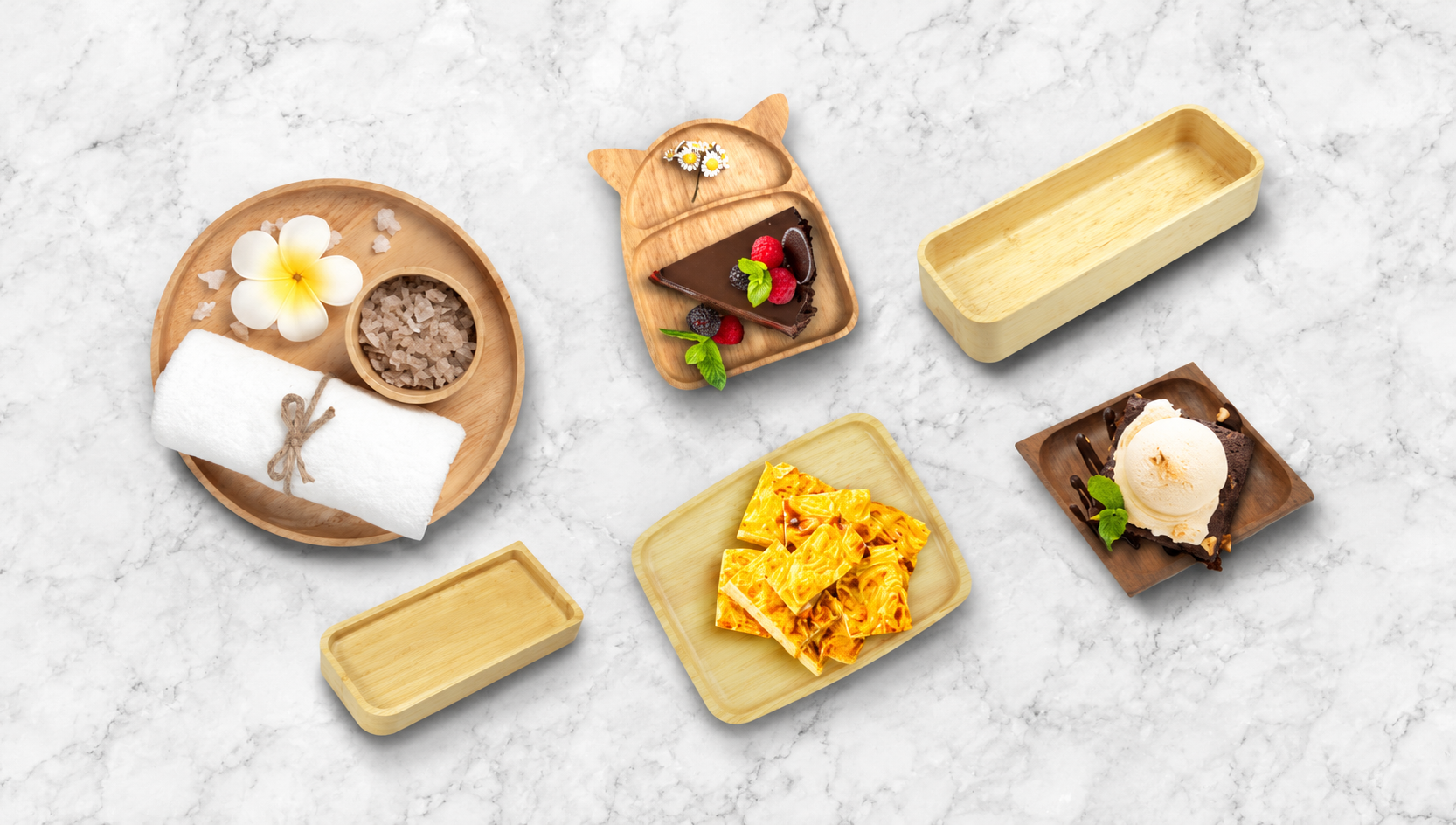
Sixty years. That is how long Natree's parent company has been carving wood. They make tableware, cutting boards, and small furniture using only wood from legally harvested, sustainably managed forests (FSC-certified). Handles comfortable even for older hands, non-slip bases — adding modern considerations of universal usability to time-tested craftsmanship.
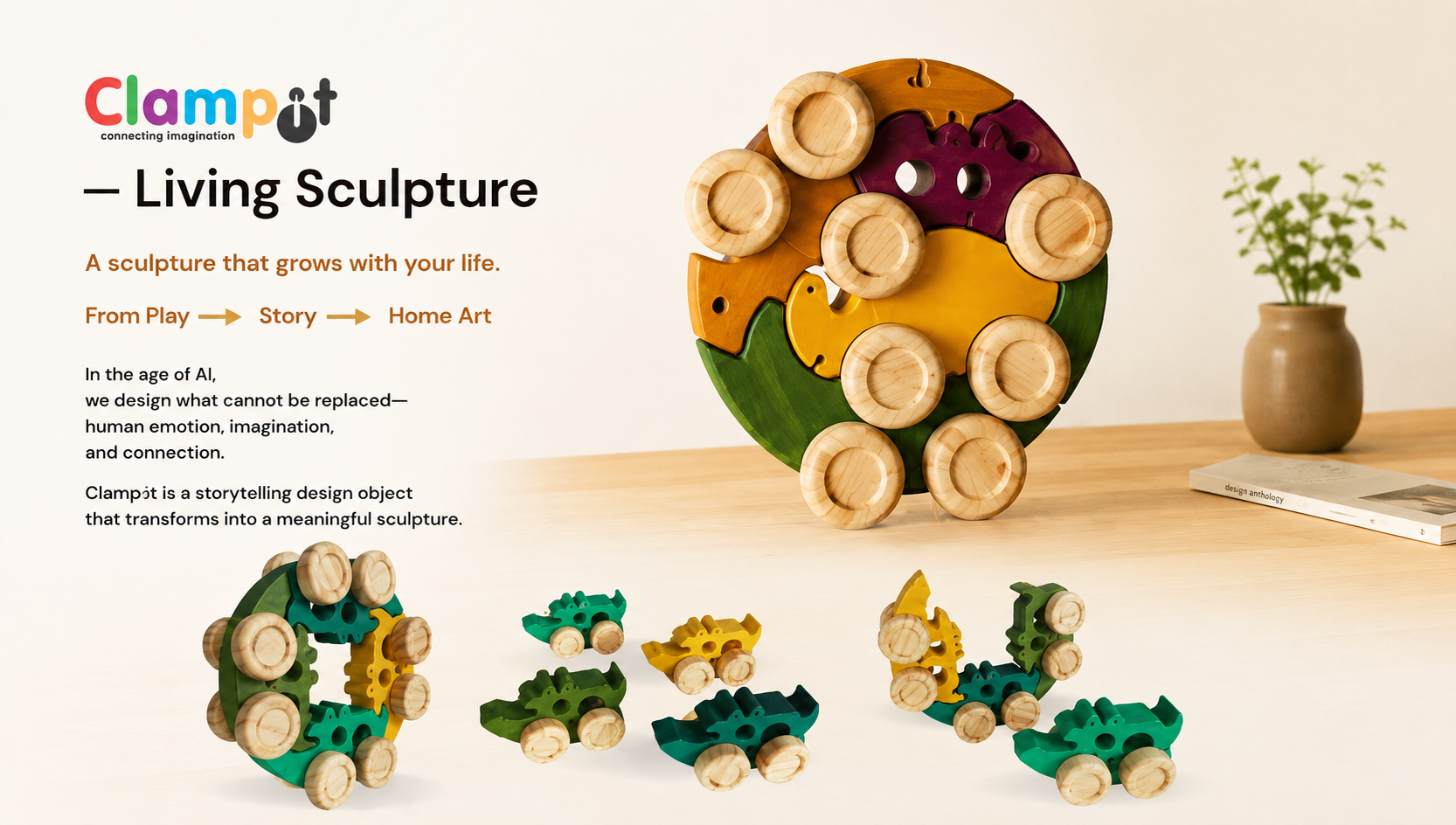
Without screws or nails, pieces interlock simply by inserting and clamping. These are Clamp it's assembly art objects. When fully assembled, mandala-like patterns emerge, turning assembly into play during construction and decoration once finished. Made from eco-friendly wood-substitute boards instead of solid timber, parents worry less about pieces snapping when held by children.
FOCUS 3
Selling the Intangible
Three brands selling invisible senses — fragrance and air.
Photos © Courtesy of Royal Thai Embassy / Space Design Fair 2026
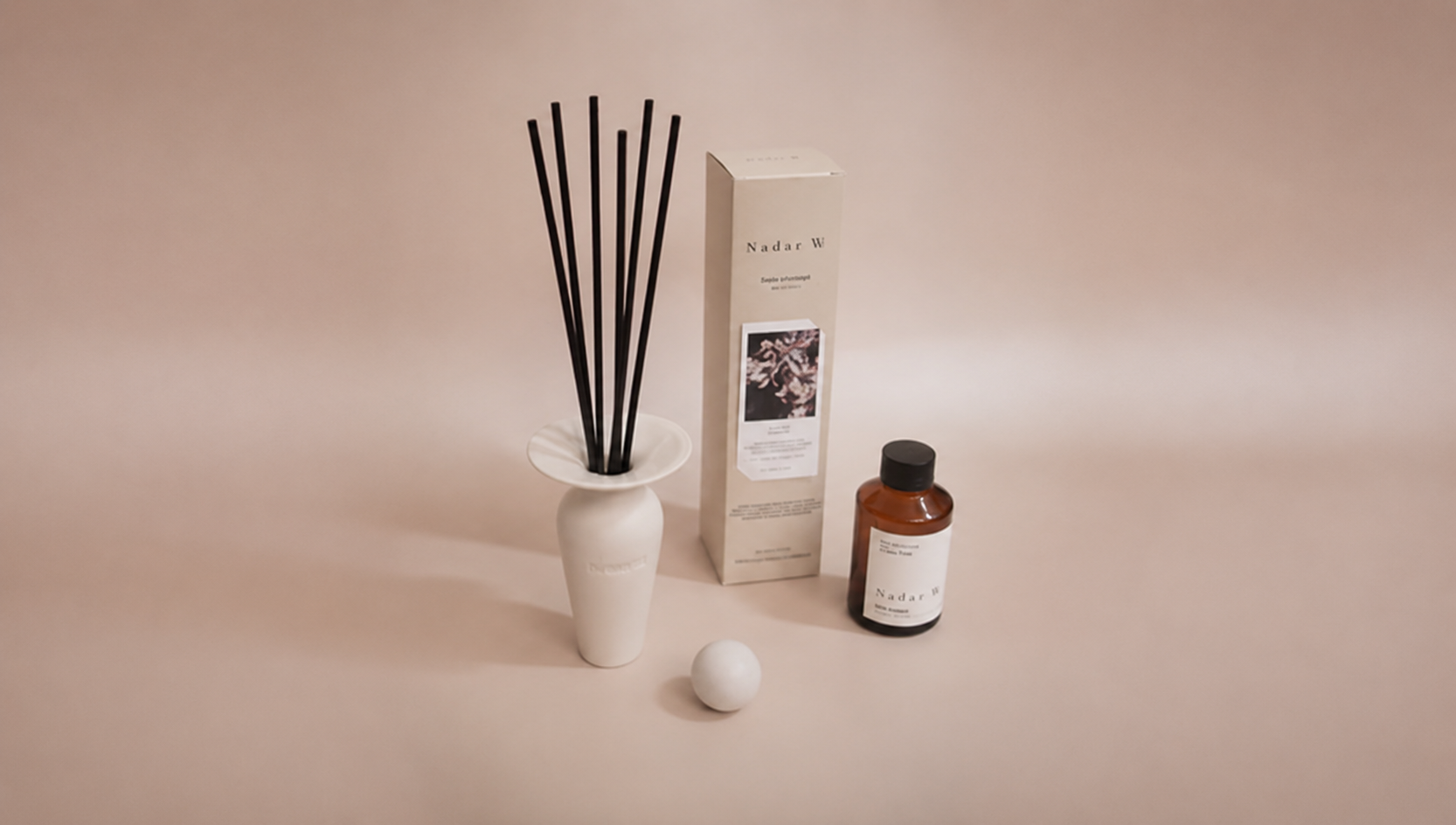
Refill instead of throwing away the bottle when the scent fades. That is why Sedar.W encases fragrances in ceramics. Both diffuser vessels and candle holders are made of porcelain, surviving as permanent decorative objects long after the scent evaporates. They bestow the elegance of lasting artifacts onto consumable fragrances.
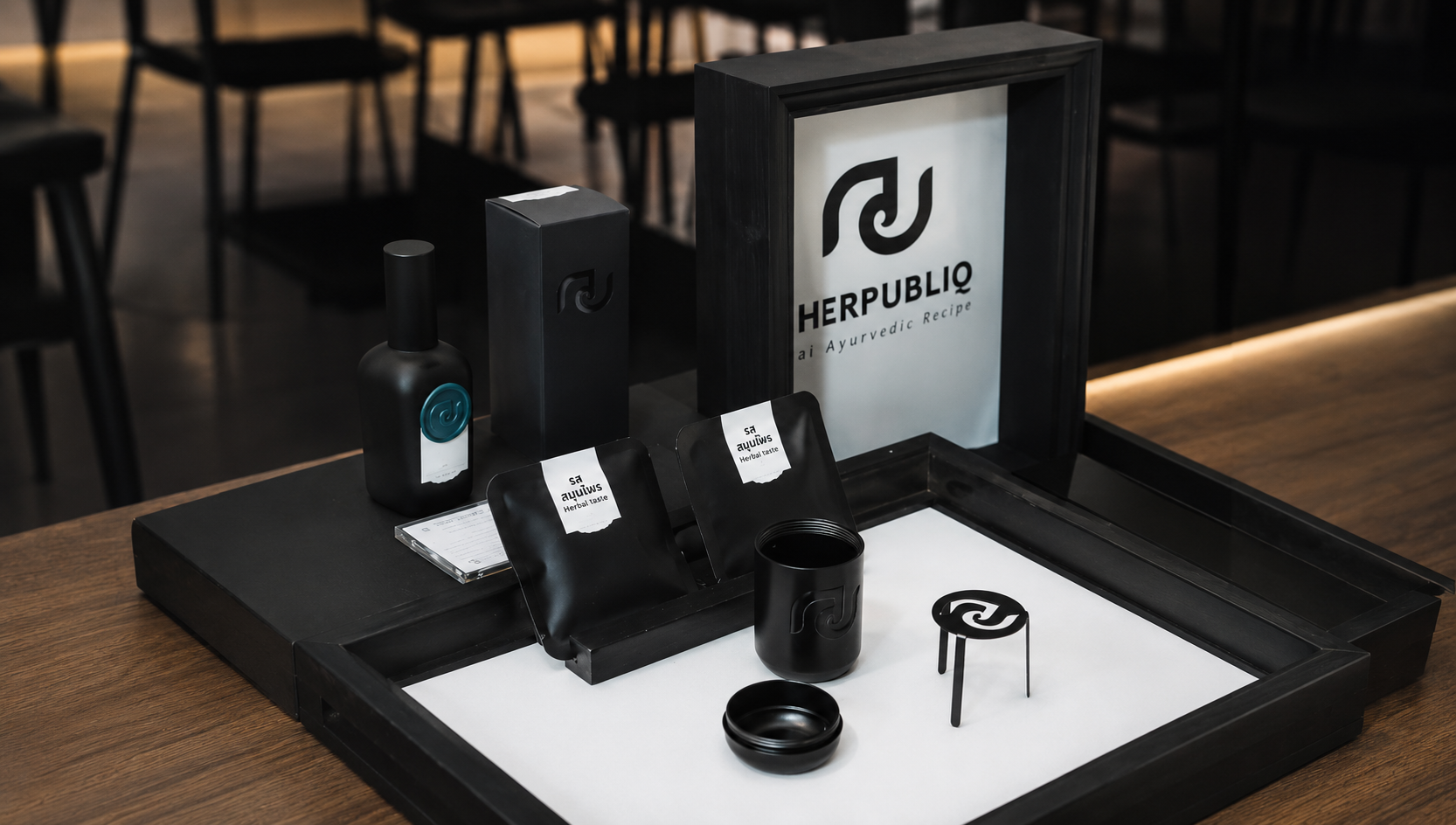
Are scents created by a pharmacist different? The founder of SHERPUBLIQ studied pharmacy and traditional Thai medicine. Translating that knowledge into scents and herbs, the brand offers products designed to soothe mind and body worn down by city life. It's a way of bringing age-old remedies into daily living rather than keeping them in medicine bottles.
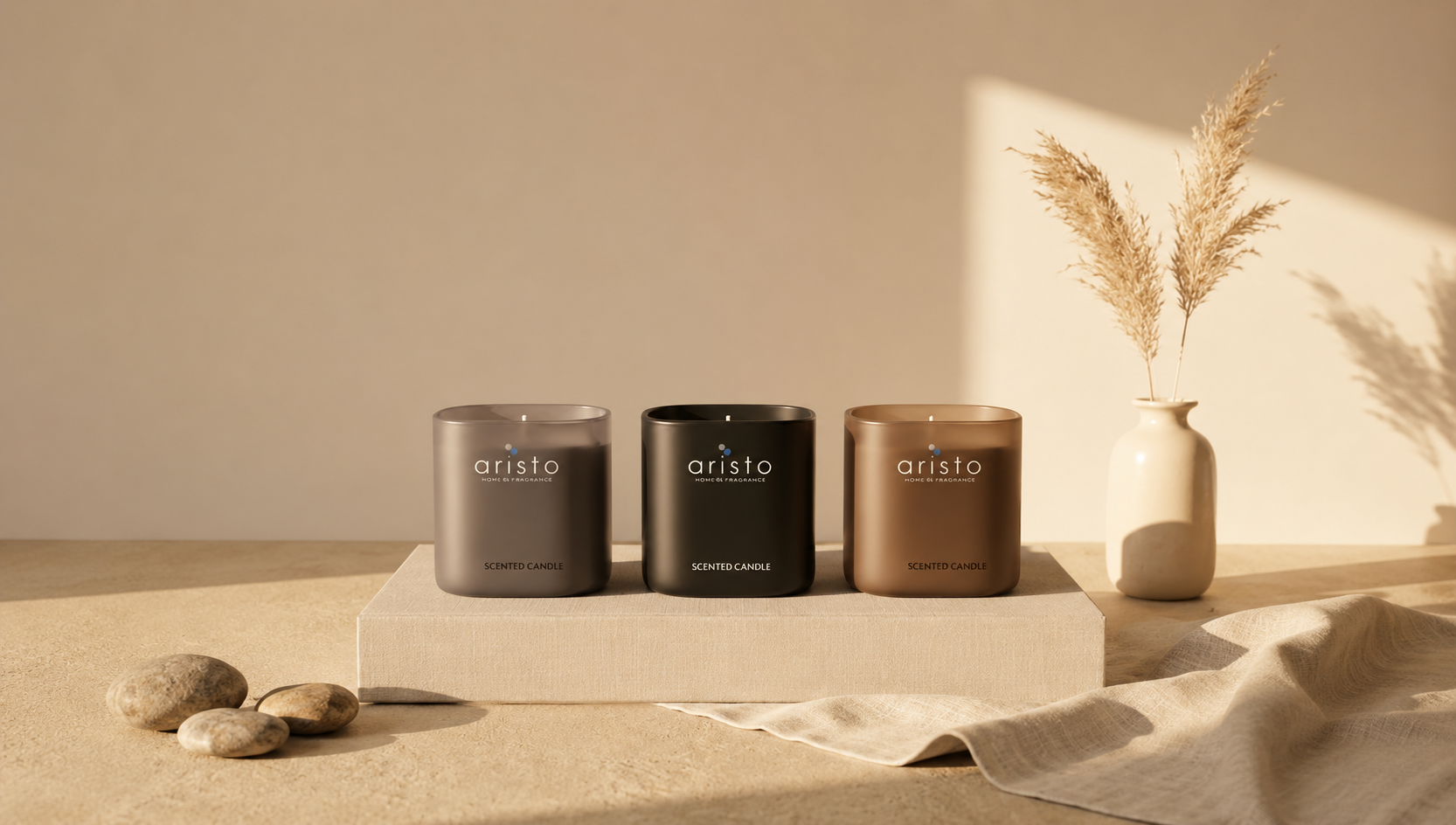
The initial aroma you catch the moment you enter a hotel lobby is no coincidence. Aristo Aroma designs bespoke spatial fragrances for each interior and engineers systems to disperse them evenly through the air. Guests may not consciously notice the scent, but the first impression of the space has already been halfway determined by fragrance.
FOCUS 4
The Stricter the Hotel Demands, the Stronger the Product
Five brands whose supply capabilities were honed by the high standards of Thai resorts.
Photos © Courtesy of Royal Thai Embassy / Space Design Fair 2026
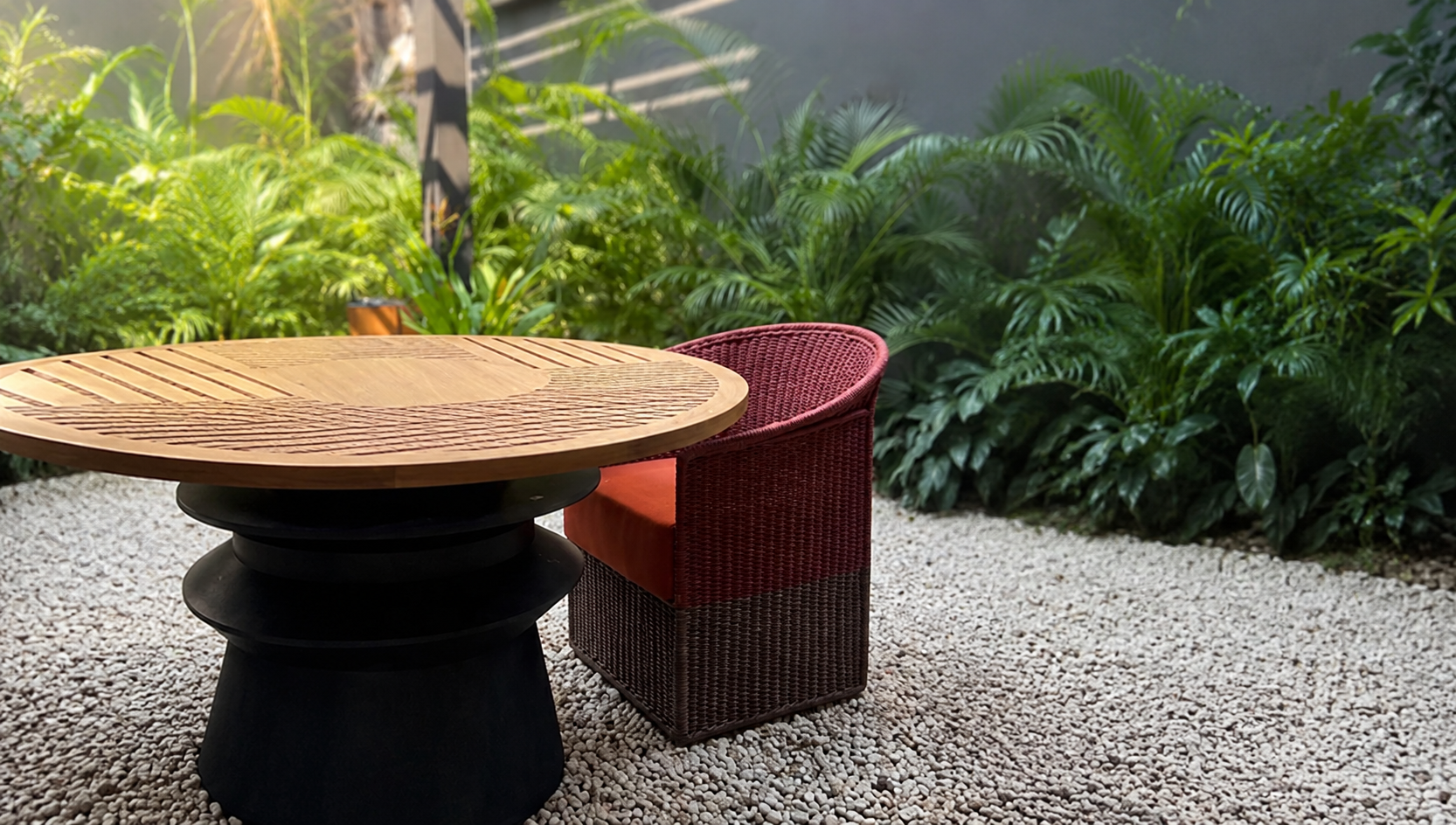
Furniture originally used on boats moved into gardens. Kenkoon started in the 1990s making marine furniture bound for Scandinavia — craftsmanship built to withstand salt, humidity, and constant motion. Chairs crafted from teak, stainless steel, and hand-woven rope do not easily weather or degrade under wind and rain. That durability now fills hotel outdoor lounges.
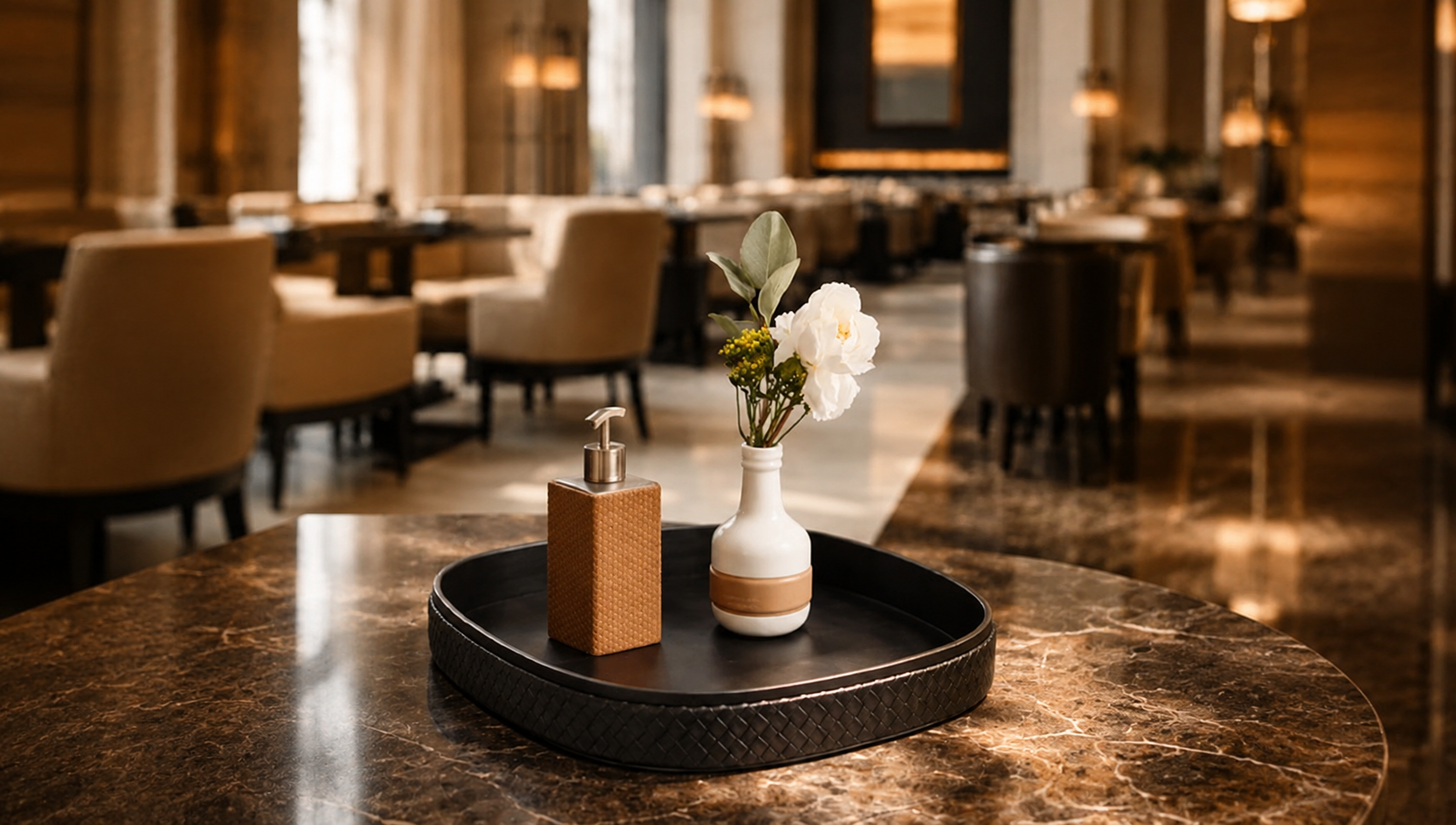
Leather desk trays, watch cases, tissue box covers in hotel rooms — subtle items touched daily. Leather Mine has been producing these leather accessories for nearly forty years. They selectively employ natural and synthetic leather and fulfill custom orders, including debossing brand names into the products.
Photos © Courtesy of Royal Thai Embassy / Space Design Fair 2026
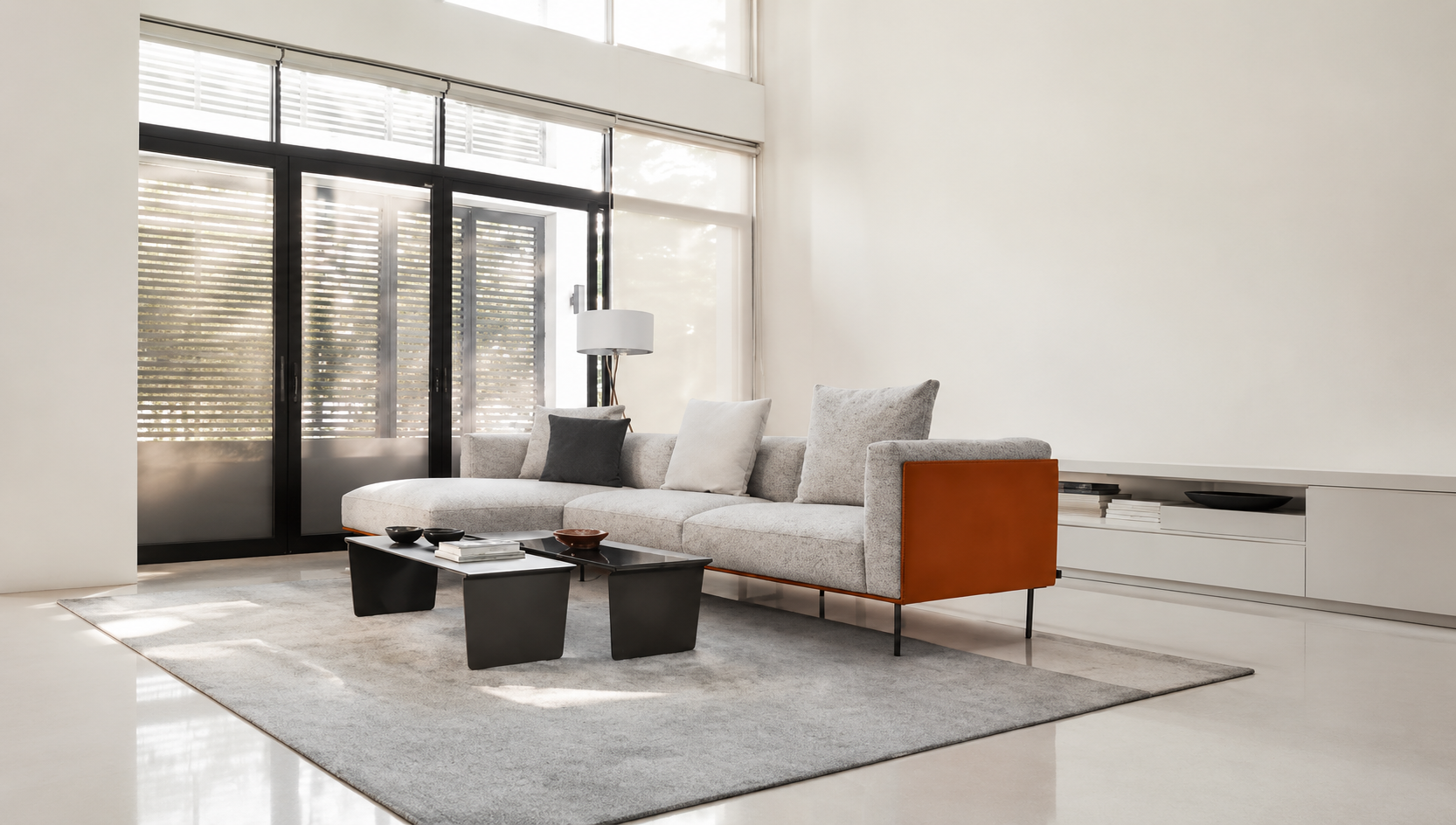
There is leather whose color grows richer with time. ASE's sofas are made with genuine leather that embraces scratches not as flaws, but as patina. The company prides itself on products that, when well cared for, last over a decade to be passed down. They opened export routes by shipping container loads to Japan. Korea is also listed among the export destination countries in their exhibition material.
Sedge grass once used for mat-weaving has made its way onto hotel walls. THORRs weaves wall coverings from sedge native to Northeastern Thailand. Hand-woven by weaving communities in underdeveloped regions, patterns and dimensions can be customized for each hotel room. This flexibility to accept small-batch orders reaches boutique hotels even before larger chain properties.
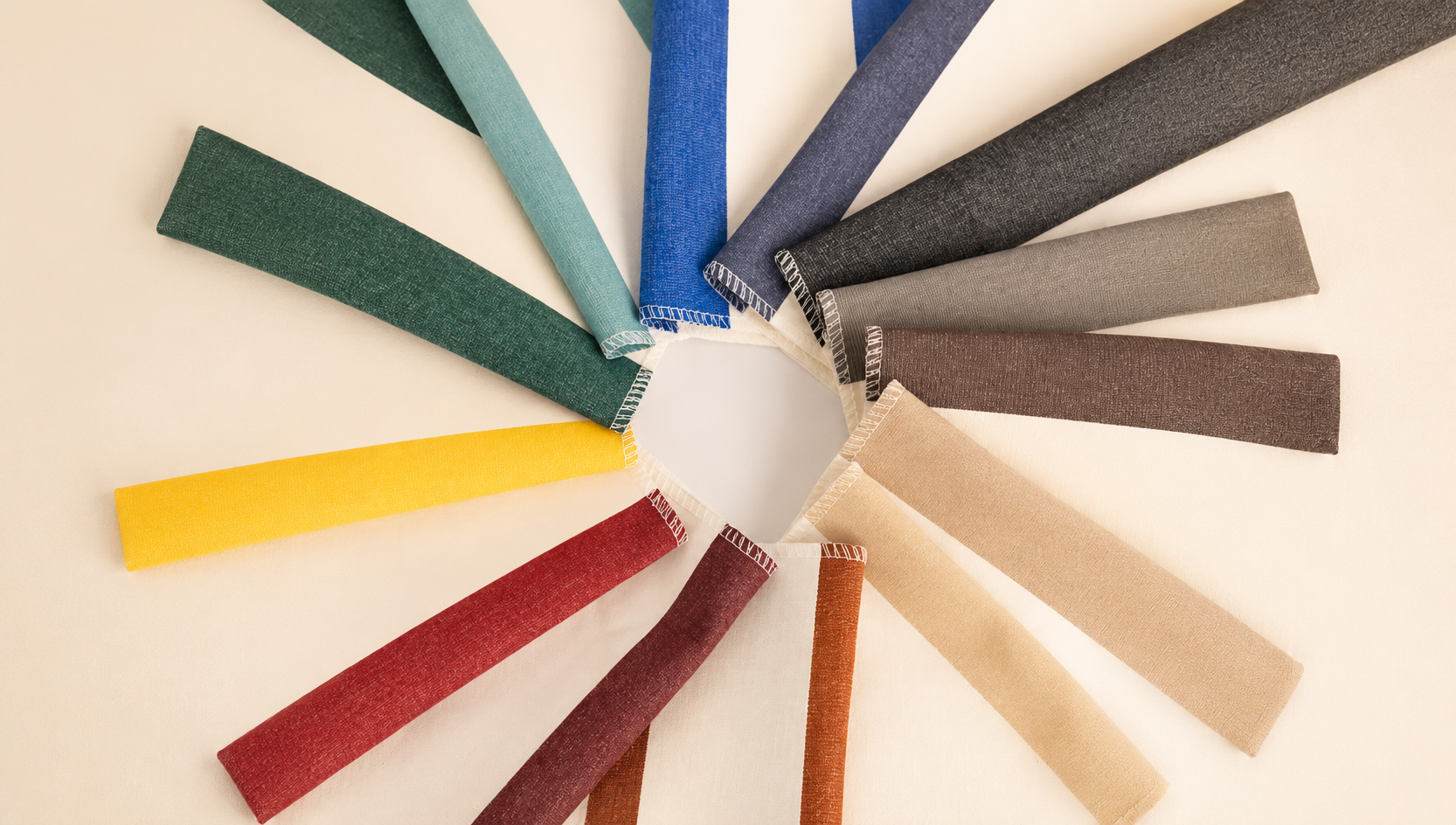
Poolside umbrellas, terrace sofas — places constantly exposed to sunlight and rain. Homework Fabrics produces textiles engineered specifically for these settings. By solution-dyeing yarns prior to weaving, colors resist fading even after years outdoors. Treated to be flame-retardant and antimicrobial, they meet strict hotel room compliance standards.
For buyers, this event is more than mere sightseeing. It offers a single venue to explore items where 'eco-friendly' extends beyond packaging down to the raw material origins — validated through real hotel supply histories. Transforming discarded resources into usable materials and elevating them to hotel-grade products: true sustainability is now ready to step into Korean homes and spatial design.