Upcycled Interior Materials
From Waste to Spatial Materials: Five Upcycling Brands
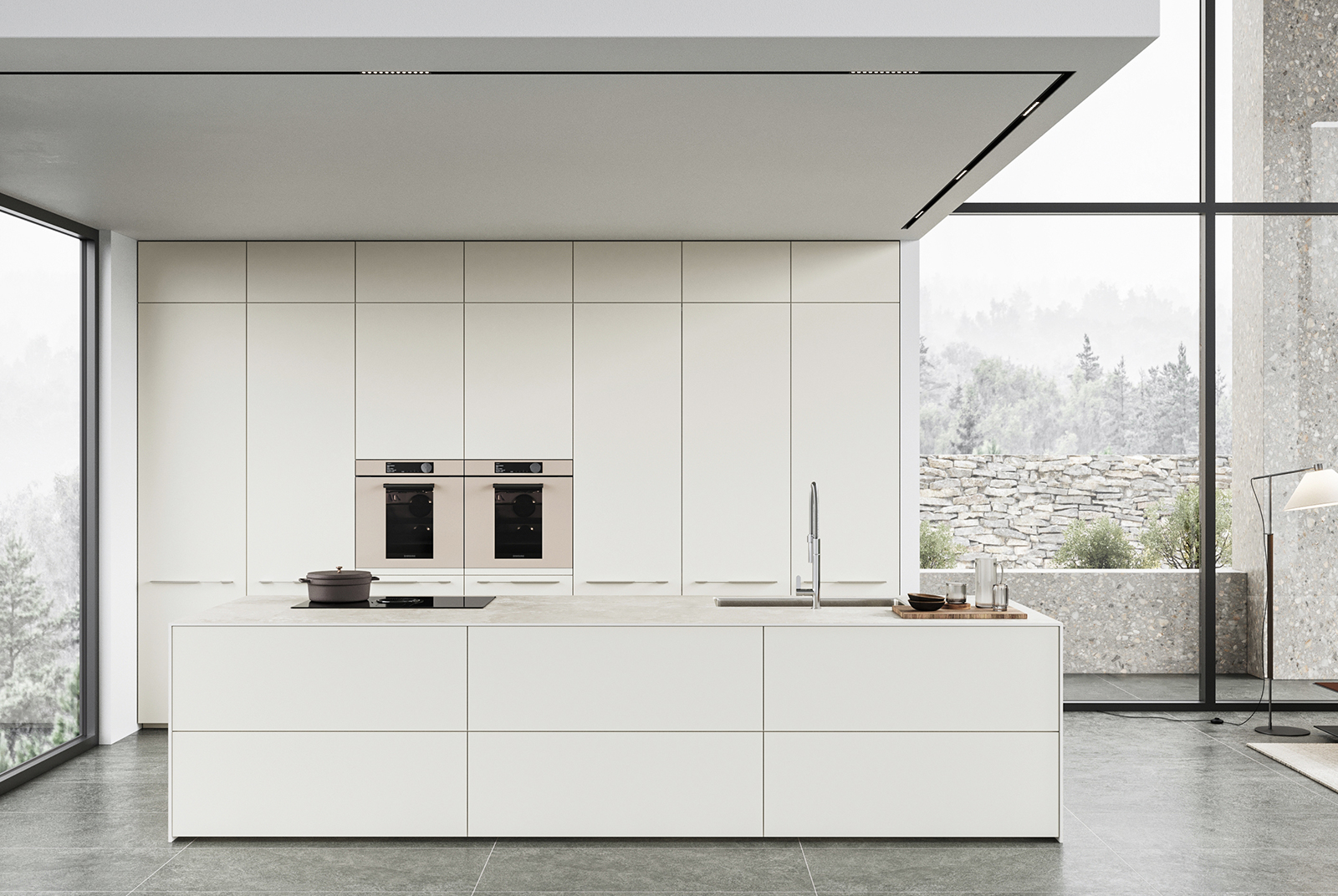
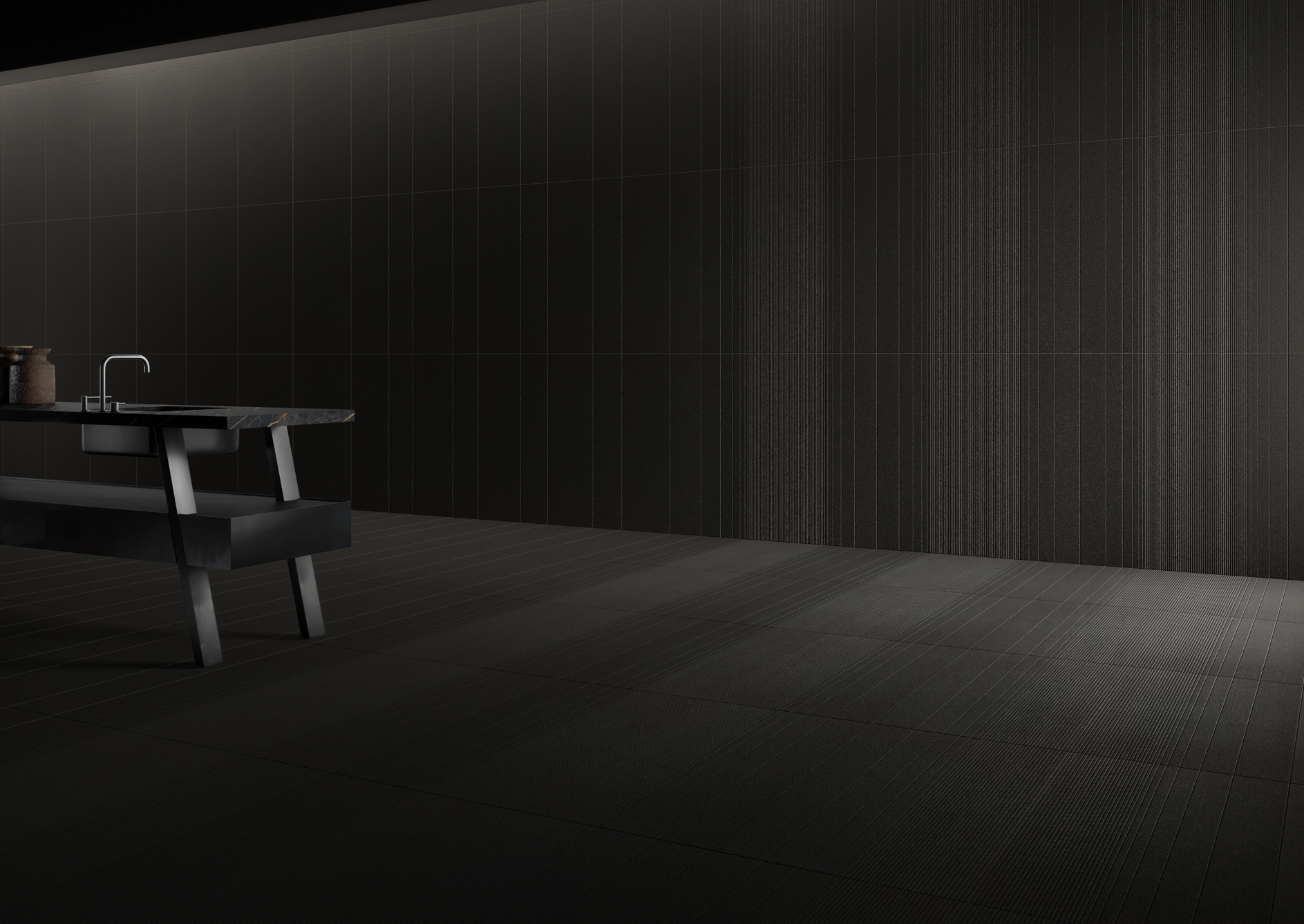
Black panels wrapping a cafe counter, yellow tiles covering a pillar, and grey blocks attached to an office wall. At first glance, they look no different from standard finishing materials, but all were made from waste. Looking back, upcycled products have existed in the past. However, most remained in the realm of small accessories, like bags or cushions made from scrap fabric.
Interior finishing materials, which must fill entire walls and cover whole floors, face a different reality. Used where spatial occupants touch and step, they must meet strict standards—requiring a certain level of strength and uniform production in color and size without variance. Recently, however, materials meeting—and even far exceeding—these demanding conditions have been emerging one after another.
At the 2026 Spatial Design Fair held at COEX from August 5 to 8, five companies are participating with materials that passed through this metaphorical eye of a needle. Their raw materials range from discarded clothing and construction waste to broken ceramics, glass, aluminum, and teak offcuts from furniture factories. A wide array of products will be showcased, including wall finishes, flooring, cafe counters, tabletops, and lighting. While sharing the common ground of utilizing waste as raw material, each of these five brands employs a distinct approach to crafting spatial materials.
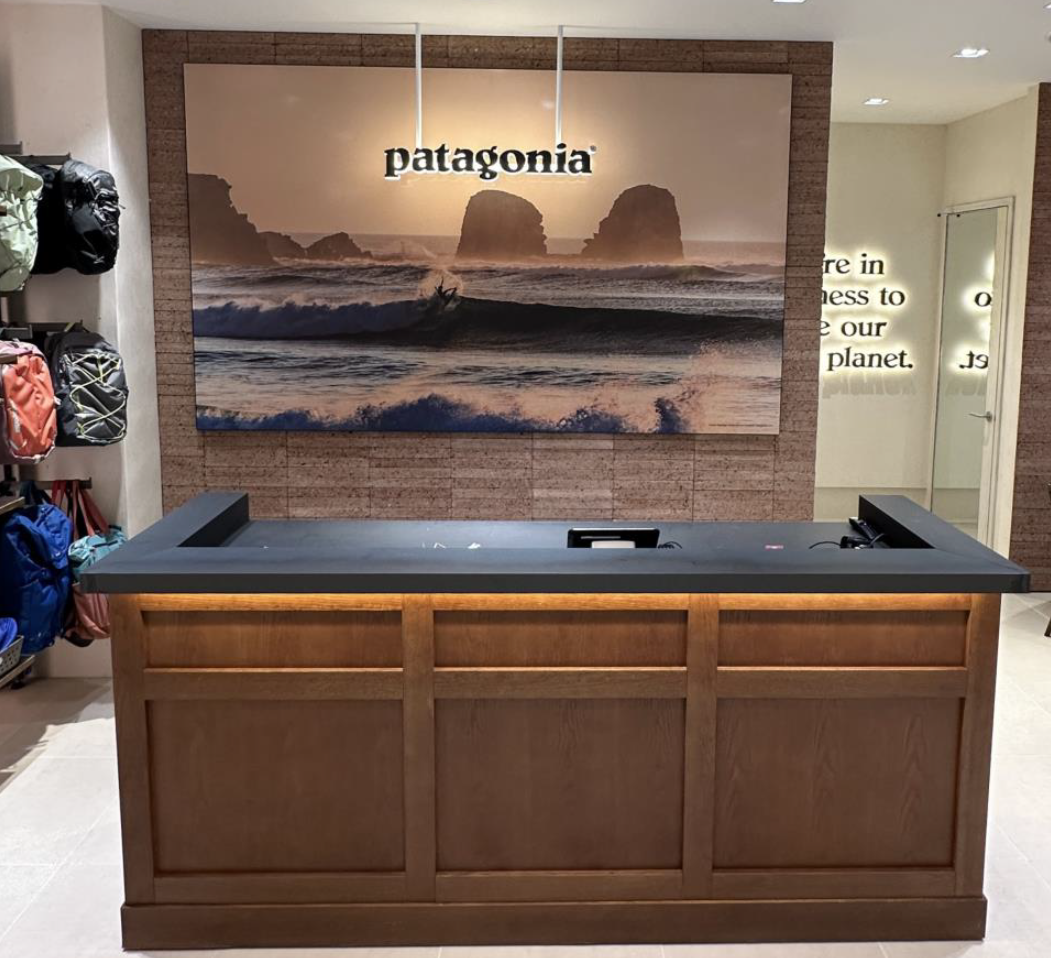
Wall finish made from discarded clothing
Resource Circular Finishing Materials | WOOUPS
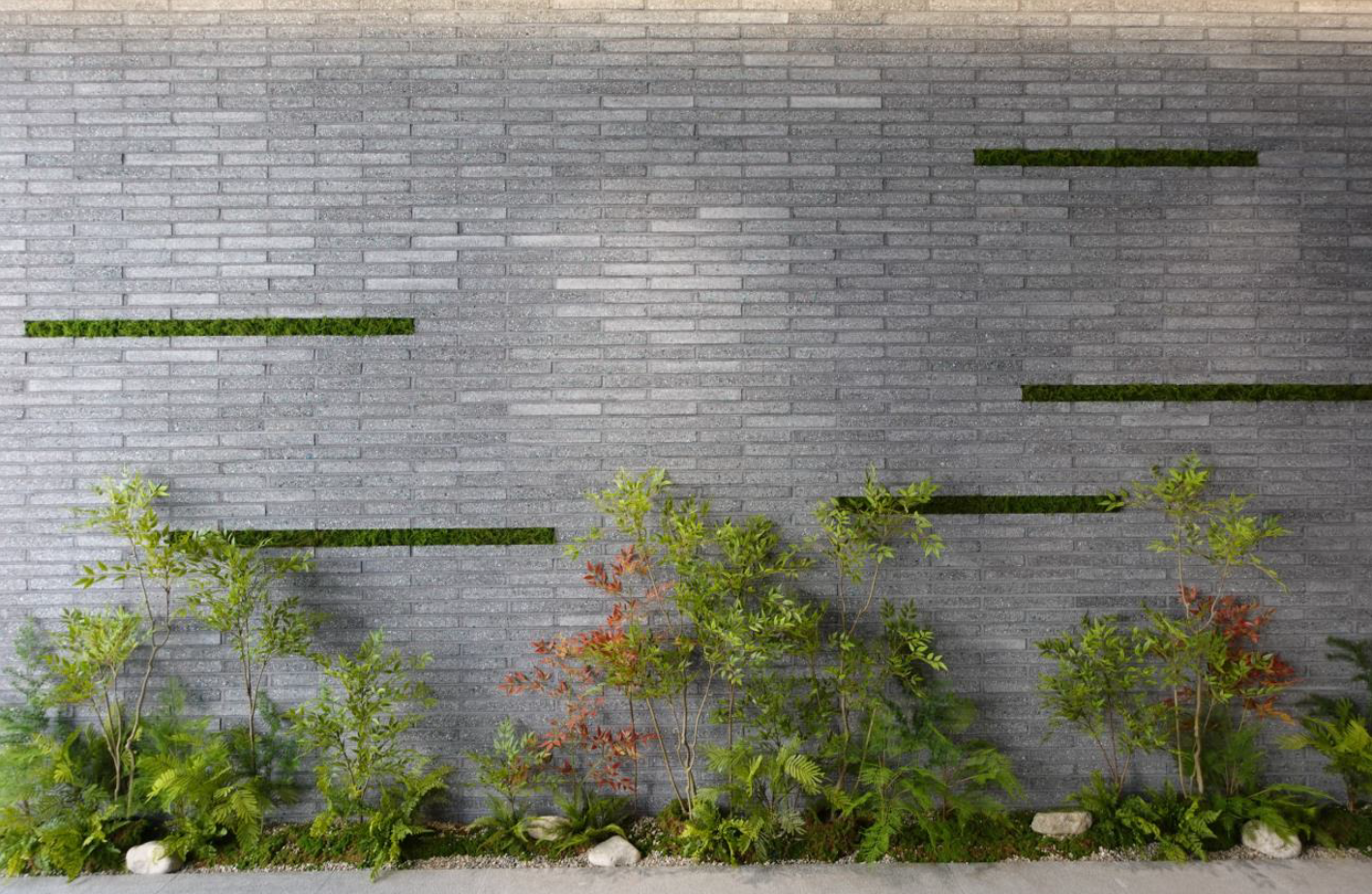
WOOUPS aims to replace natural aggregates in concrete blocks, which face unstable supply. Consequently, its applications span broadly across wall finishes, counters, tabletops, and exhibition fixtures. Colors, patterns, and specifications are custom-made according to project requirements. WOOUPS materials have already been installed in over twenty spaces, including four MUJI stores, the National Aviation Museum of Korea, POSCO model homes, and the Kia Gwangmyeong Lounge. Product samples are also displayed in material libraries like Younhyun Trading and CONC, where architects and designers can tactilely evaluate the physical samples and compare colors.
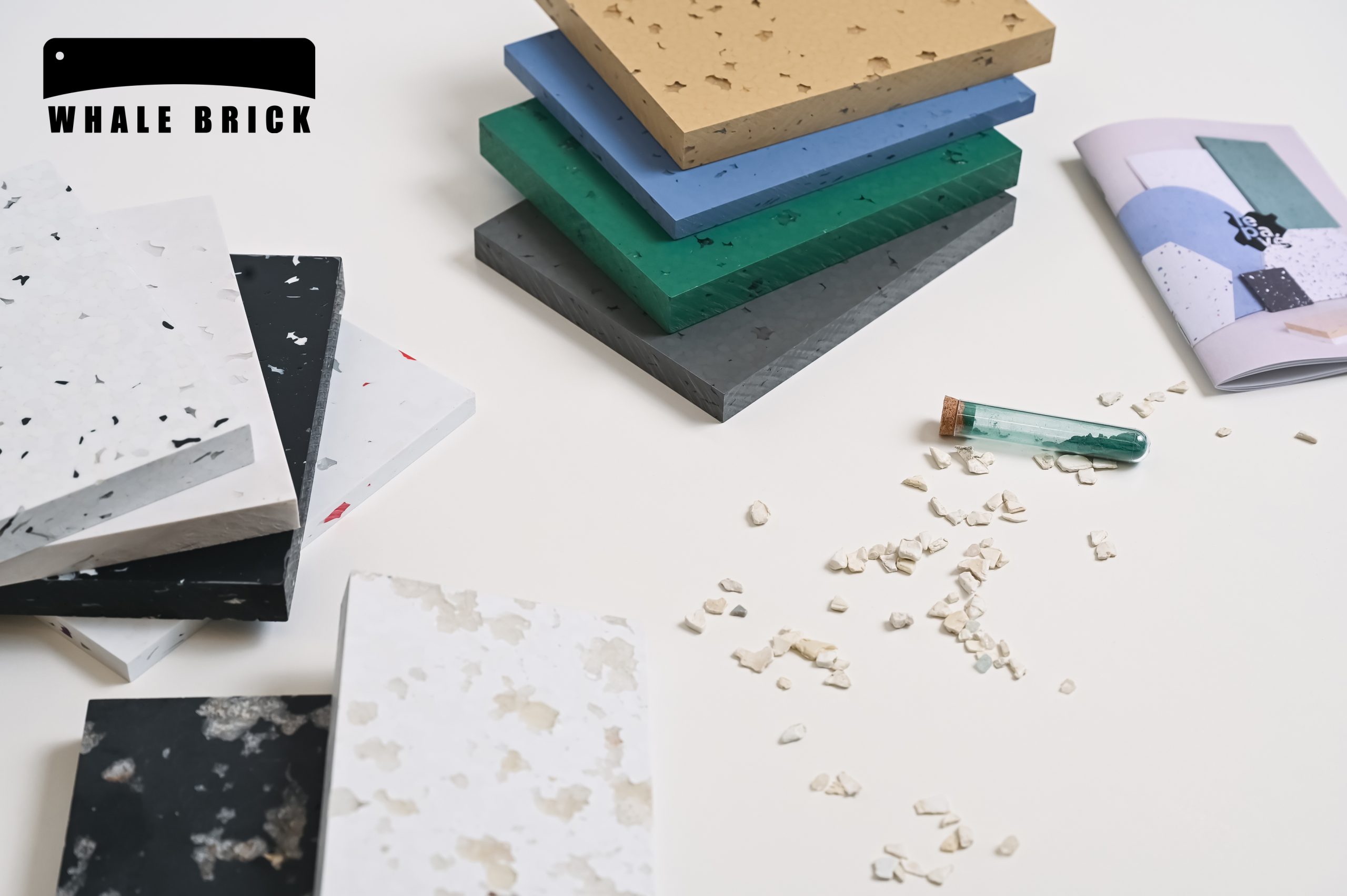
Sourcing materials unavailable locally
Imported Upcycled Finishing Materials | WHALE BRICK
At this exhibition, WHALE BRICK introduces new offerings from Czech brand BROKIS GLASS for the first time. Made from glass shards originating from the Janštejn Glassworks, operating since 1809, the fragments produced when artisans blow glass lamps become the material's distinctive surface pattern. Meanwhile, LE PAVÉ panels are crafted entirely from post-consumer waste plastics collected in France. Workable like wood for countertops and wall cladding, they come in ten colors across three product lines. The entire podium setup for the Paris 2024 Olympic Games and 16,000 stadium seats were constructed using this material.
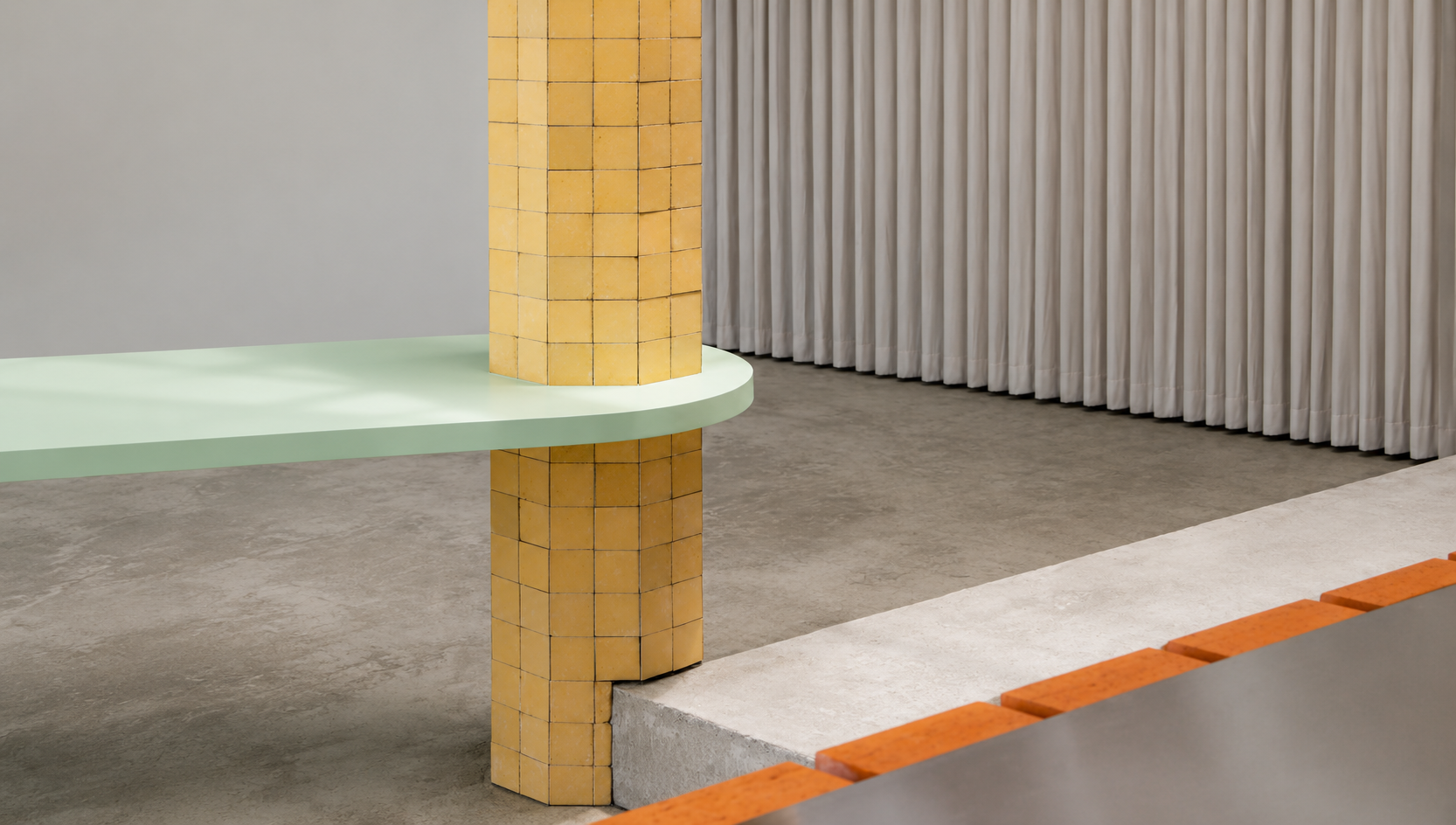
Fired or unfired sustainability
Circular Tiles | loqa
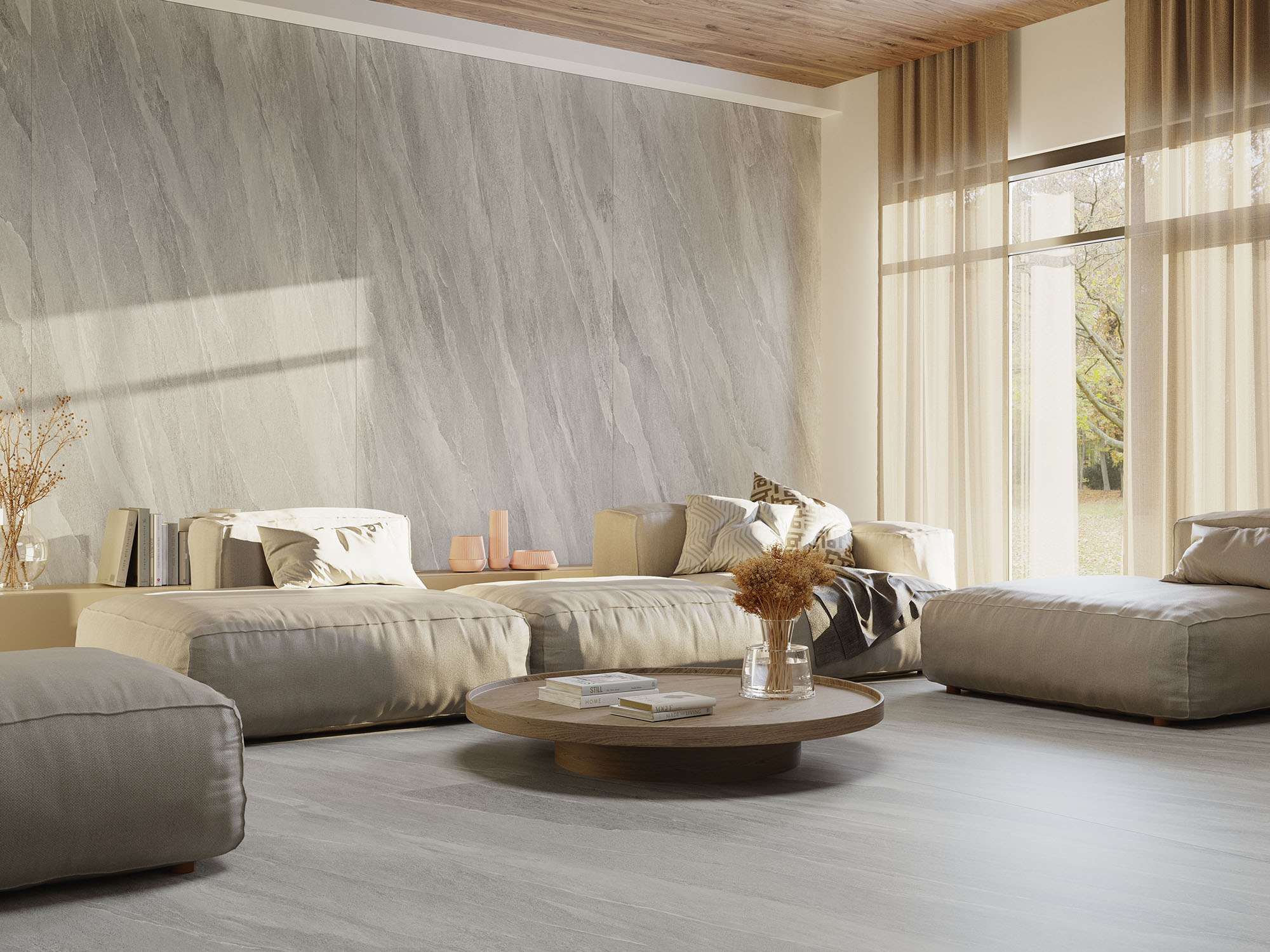
Surface treatments are equally versatile, ranging from glazed gloss finishes to tactile, rough textures resembling stone or tree bark, as well as concave and convex relief profiles. Beyond flat tiles, loqa produces brick-thickness formats applied to walls, floors, counter tops, custom furniture, column wraps, and stair cladding. Named after the Thai word for Earth, loqa makes its second appearance in Korea following its participation in the Spatial Design Fair's Thailand Pavilion last year.
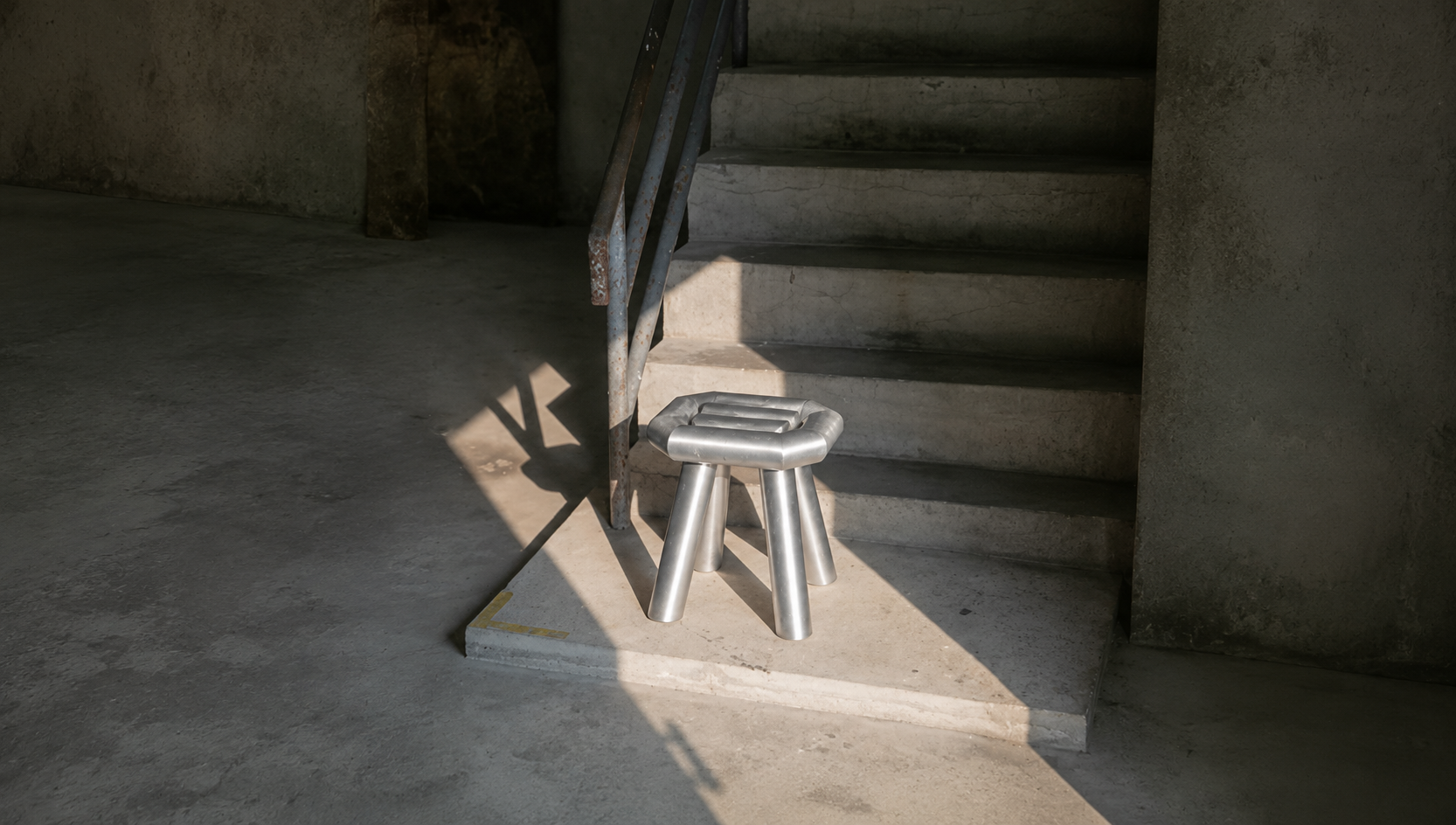
Do not discard when broken
Aluminum Furniture | RES
Aluminum was chosen specifically for its rust-free durability suited for both indoor and outdoor environments, as well as its infinitely recyclable property. After prolonged use and repair, it can be melted down and repurposed completely. Built upon a family legacy of metal craftsmanship spanning over 70 years, the brand seamlessly integrates technical expertise into its product design. Stools folded from thin aluminum sheets and flower-shaped trays earned recognition at Thailand's DEmark and Taiwan's Golden Pin Design Awards last year.
Bespoke designs crafted from offcuts
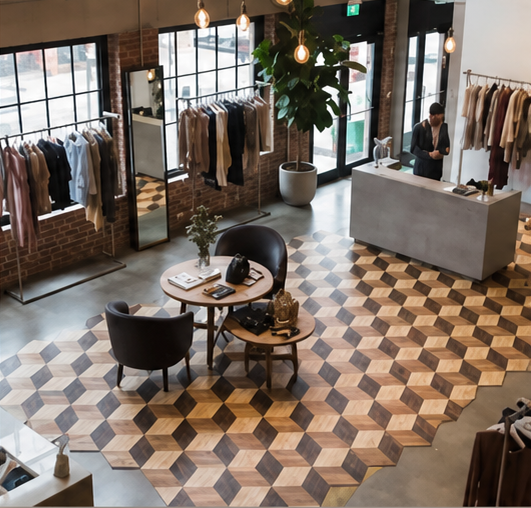
Solid Wood Flooring | DEESAWAT
Consequently, DEESAWAT's flooring is fundamentally bespoke. Color, pattern, and layout are tailored specifically to each space, ensuring no two installations are identical. Beyond flooring, wood rings leftover from hole-punching processes are stacked vertically to create lighting fixtures. Operating a 30,000-square-meter facility with approximately 200 skilled artisans, the company adheres to a long-standing principle of zero material waste and has participated in the Thai government's waste-based design initiative (DEWA & DEWI) since 2013.
Closing Thoughts
Unconcealed Authenticity as Spatial Character
Fabric scraps from clothing production become subtle color accents on grey walls; broken ceramics turn into rich tile colors; glass fragments transform into tactile wall textures.
-
Embracing Raw Origins
Rather than forcibly concealing their past forms, these five brands celebrate material origins, turning raw traits into distinct spatial character.
-
Individual Expression as Beauty
Their stories offer a meaningful reflection: revealing unique identity without pretense is inherently beautiful in design and in life.