Fabric is the material that sits closest to the body. It becomes clothing and wraps the body; it becomes bedding and wrapping cloths and covers the household. Dyeing, weaving, and embroidering fabric — as in saekdong-jeogori (rainbow-striped jackets), patchwork wrapping cloths, and embroidered pillow ends — has long been a hand skill passed down over generations. That's why a single piece of beautifully dyed fabric naturally calls back the texture of an older way of living.
The five brands here each handle fabric from a different angle. One dyes thread and weaves it into saekdong stripes; another embroiders that fabric with obangsaek, the five traditional colors; another translates dancheong patterns into a printed design; another stitches images onto sheer nobang silk. Where one brand weaves the fabric, another lays a pattern on top of it. The oldest fabric is still woven on this land today, and today's patterns settle right on top of it.
01
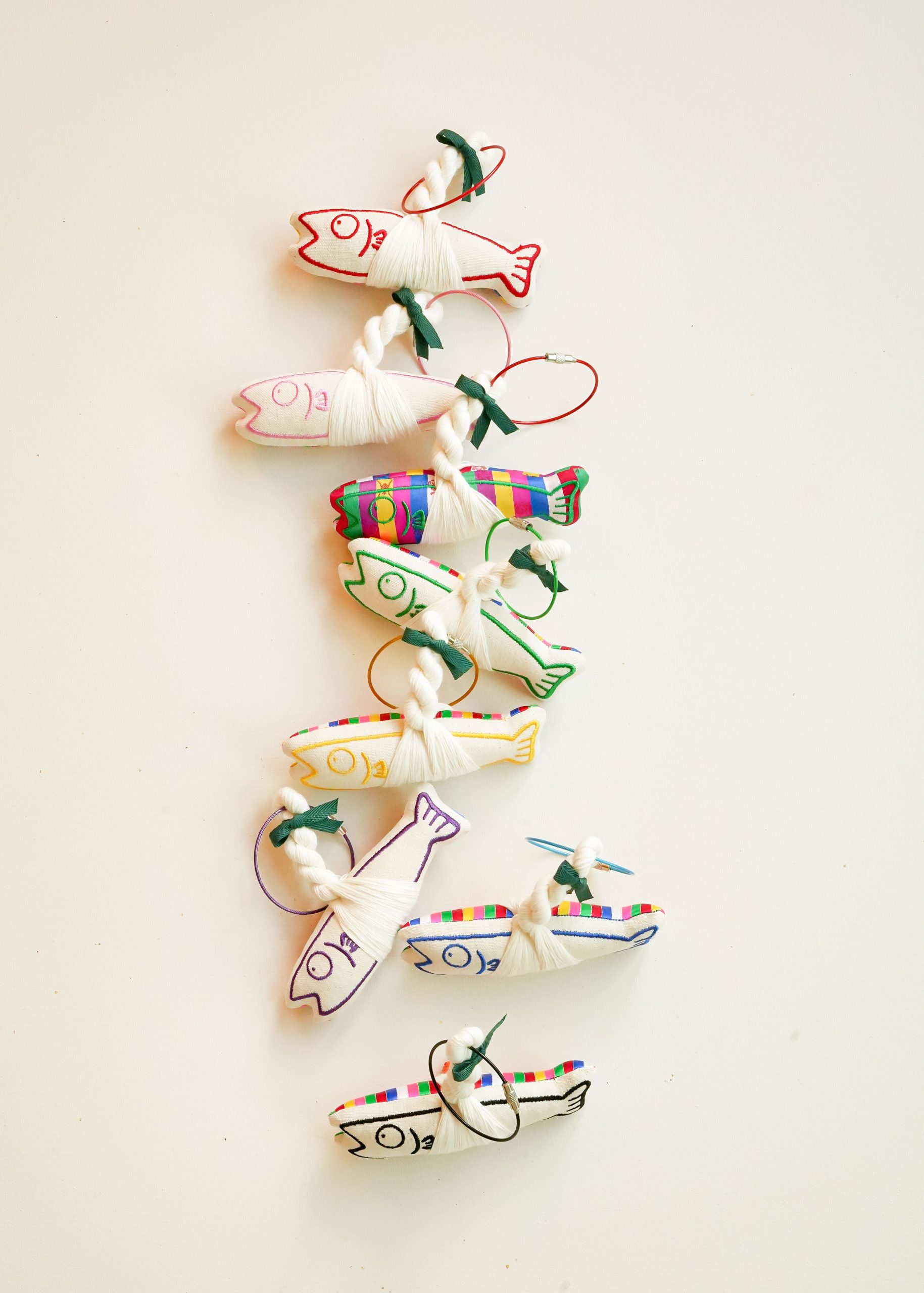
There's an old custom of hanging a dried pollack on the door to ward off bad luck. Greenflair has brought that charm back to life as a palm-sized embroidered accessory. The front is embroidered in obangsaek, the traditional five colors; the back is made from saekdong fabric; and a silk ribbon symbolizing health and longevity is tied on. A magnet lets it stick to a fridge or a front door. The brand's eyeglass case, inspired by the smile on a Silla-era roof tile, won the grand prize at Gyeongju's tourism souvenir competition and has also been named an Excellent Cultural Product.
02
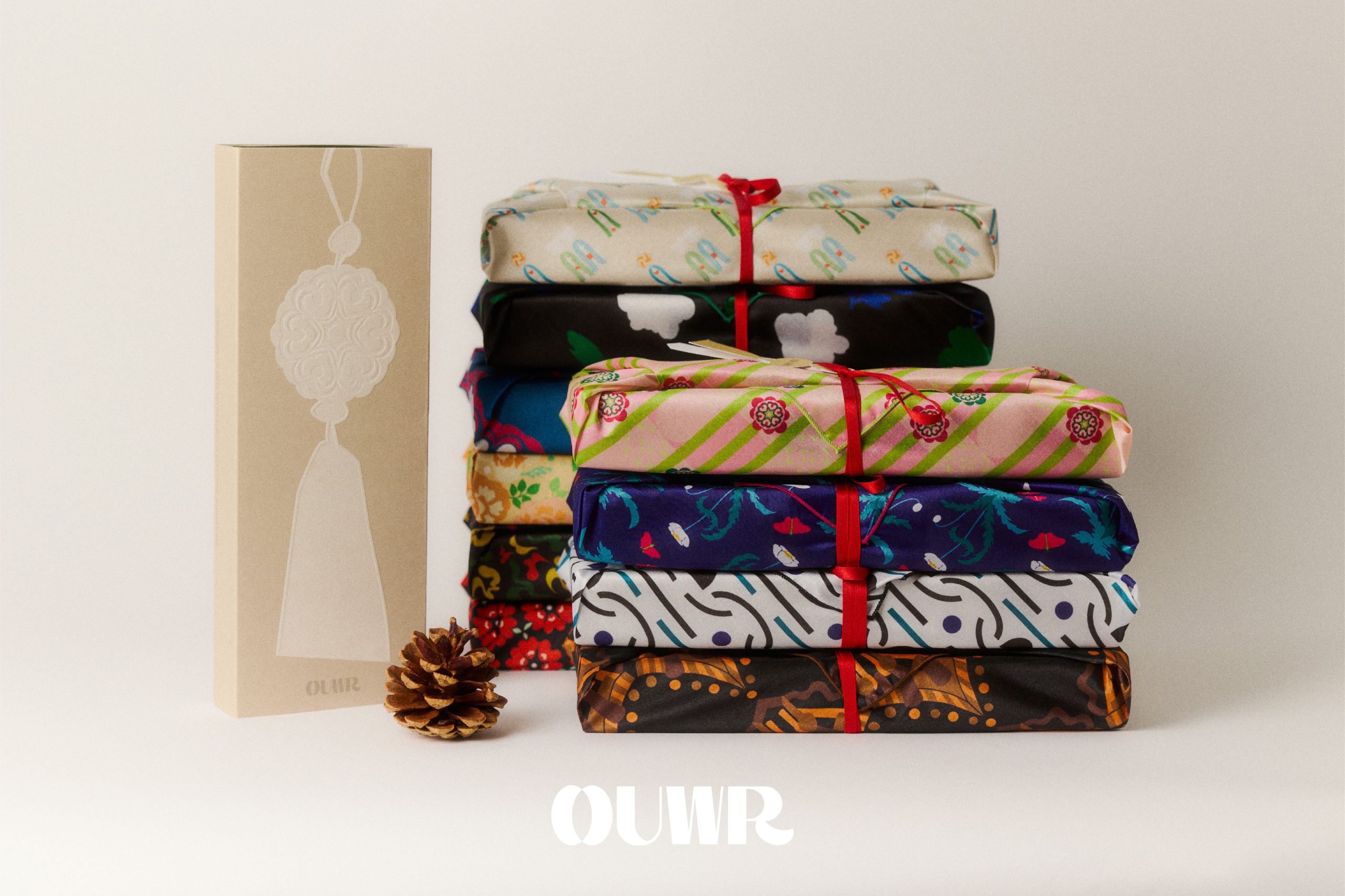
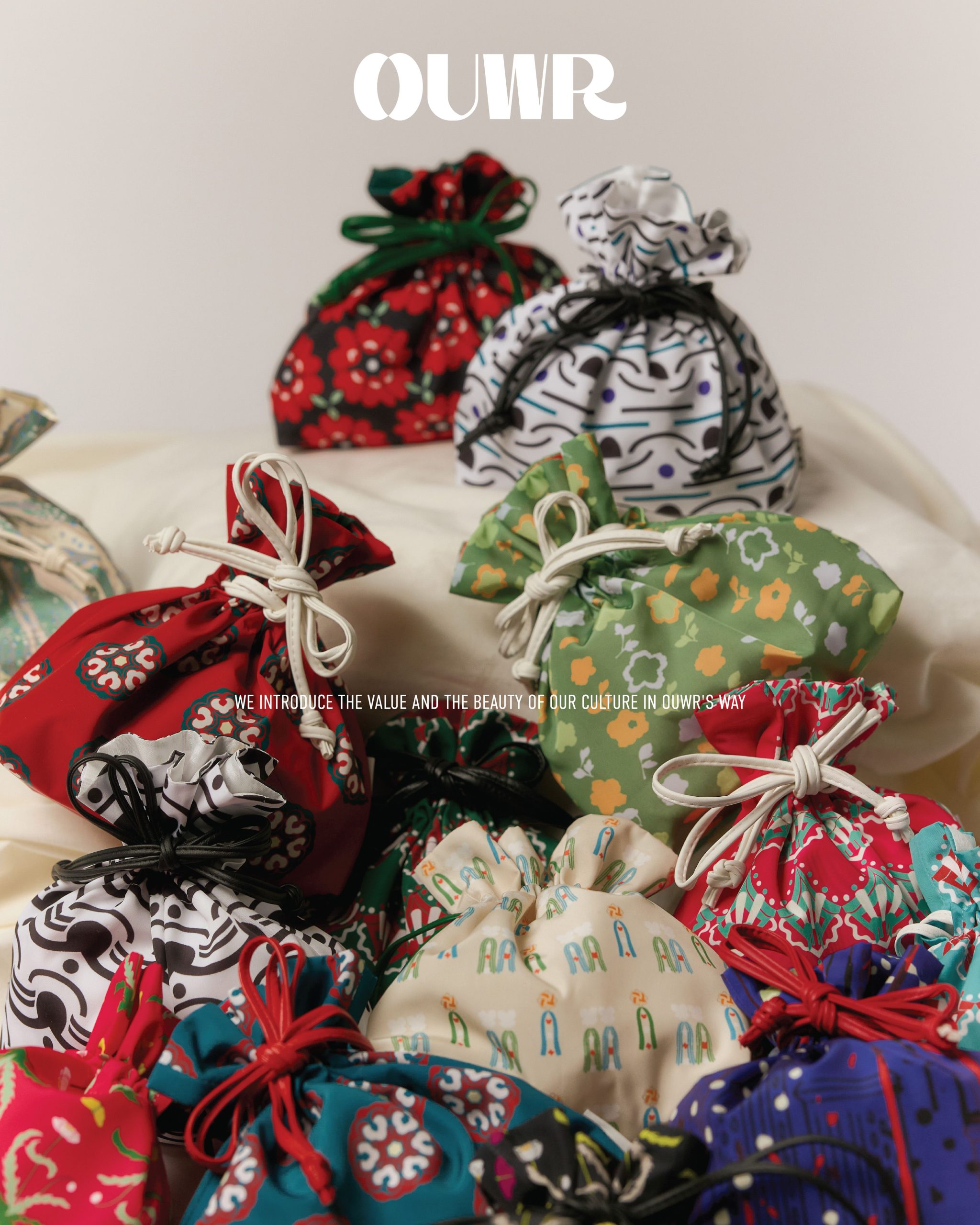
Ouwr starts from pattern. It's a brand that draws its own patterns, adapted from Korean tradition, and applies them directly to products. Its signature pattern, the cloud-flower, comes from dancheong, the traditional multicolored decoration painted on wooden buildings. The brand's flagship item carrying this pattern is the Bok series of bags. Traditional bokjumeoni pouches are reworked into pouches, mini bags, and backpacks, with the pattern set onto silk brocade, jacquard, and leather. Its scented norigae (traditional hanging ornaments) stay with you as a keychain or decoration even after the scent is gone.
03
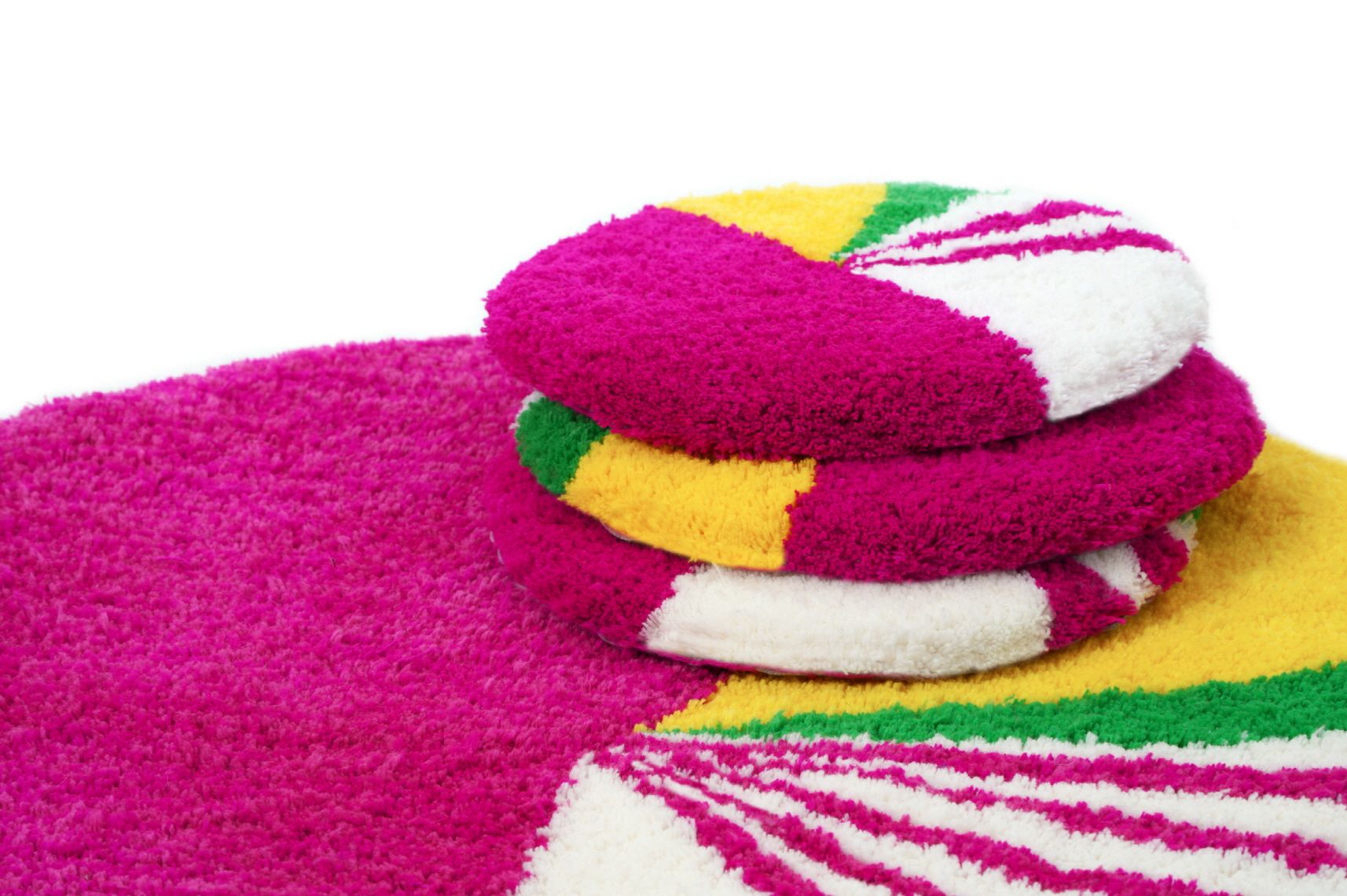
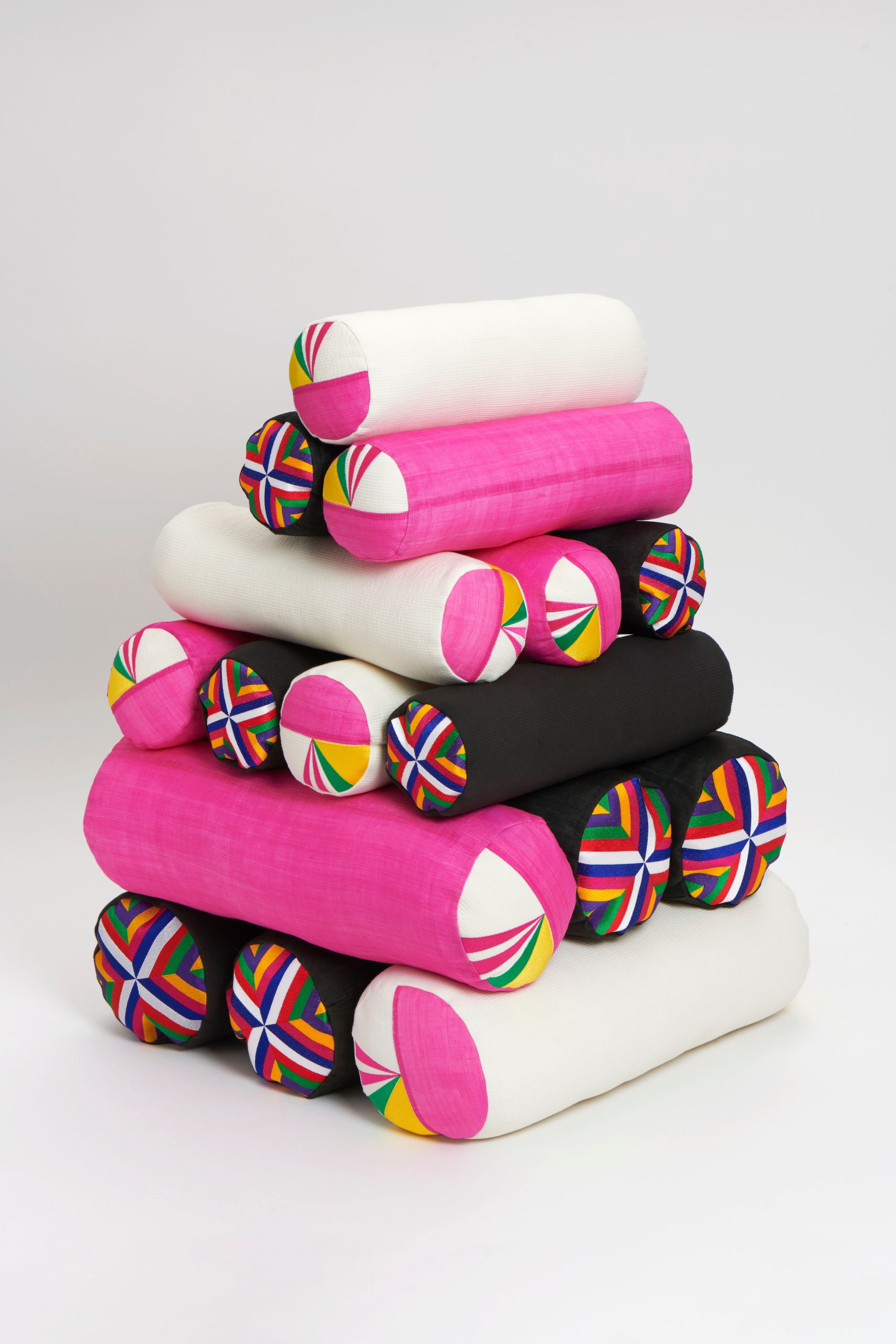
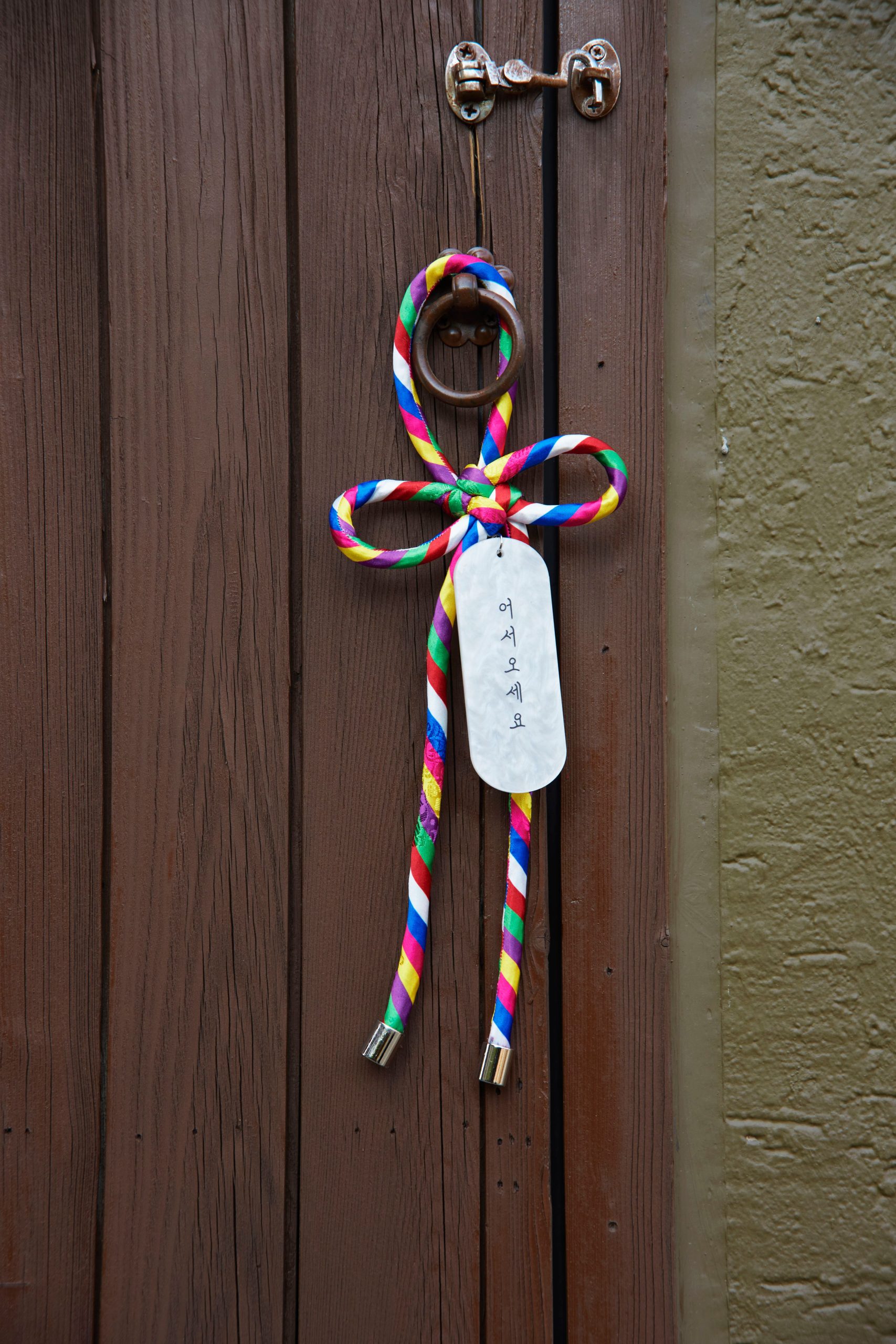
Aaroc treats thread and fabric as artistic material. It's a fiber-art brand that translates traditional patterns and colors into rugs, bedding, cushions, and fabric objects. Even a single rug laid on the floor carries an old color sense pressed into it, aiming for both use and appreciation at once. Its work extends beyond private homes into styling for hotels and exhibition spaces.
04
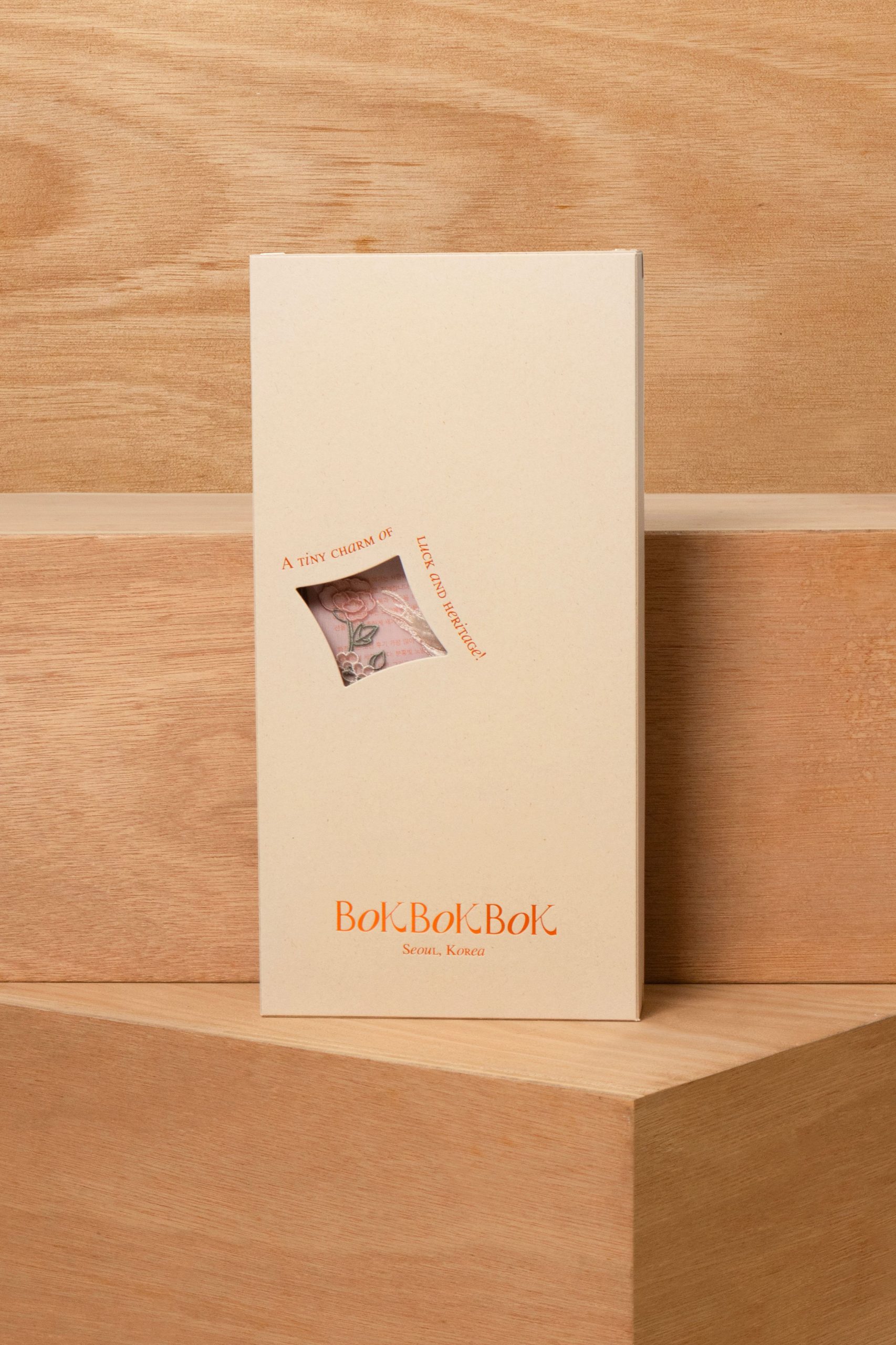
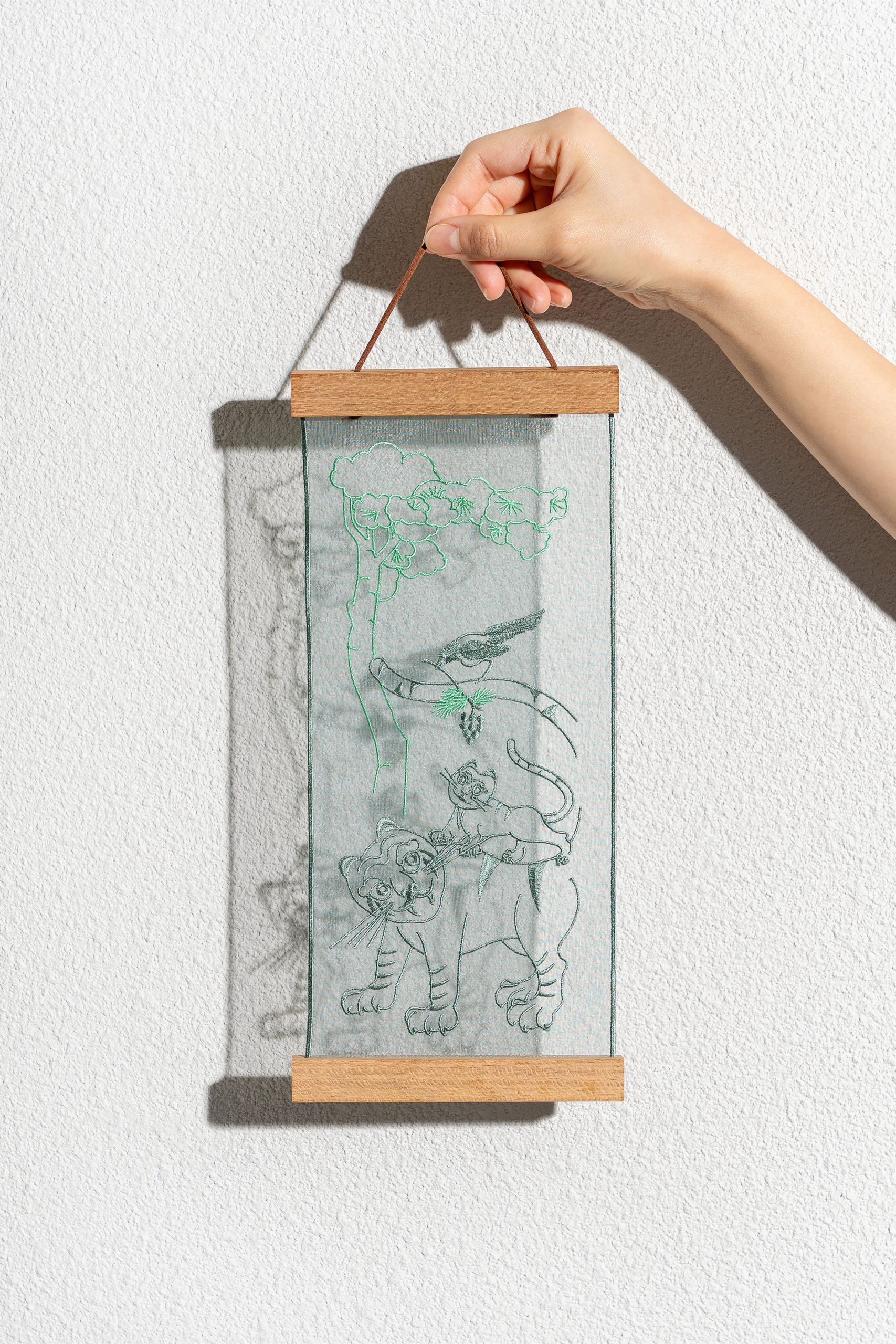
Embroider a thin, light-permeable fabric, and even the shadow becomes part of the pattern. This is the nobang embroidery poster made by Bokbokbok, the gift brand from design atelier Leegamgak. Nobang is silk so sheer it's nearly translucent, so when auspicious plants and animals embroidered onto it catch the light, they cast vivid, patterned shadows on the wall. It's a modern embroidered take on sehwa, the paintings Joseon-era people once exchanged at New Year's to wish each other good fortune — and it makes for a fitting gift for a wedding, a baby's first birthday, or introducing Korea to someone.
05
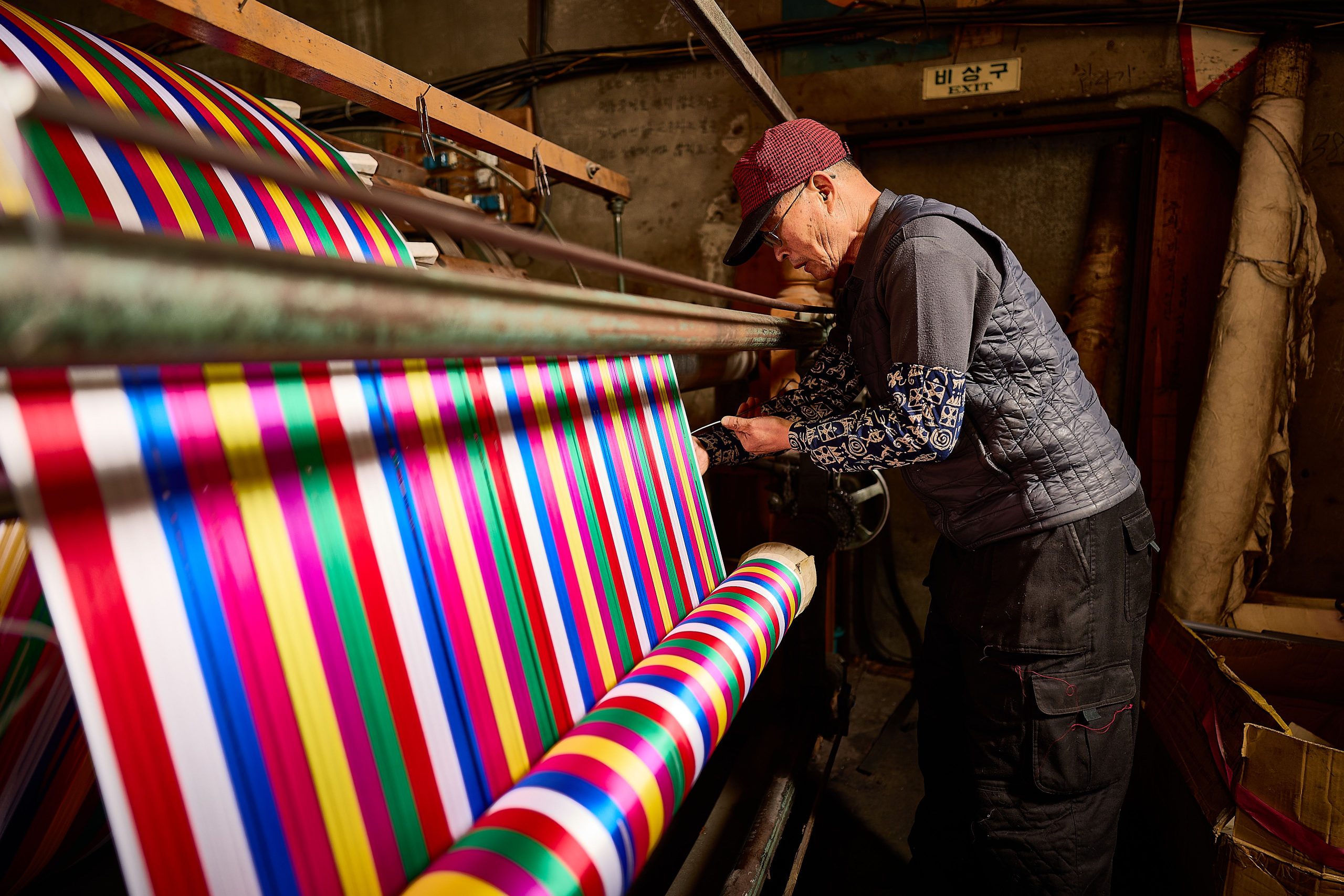
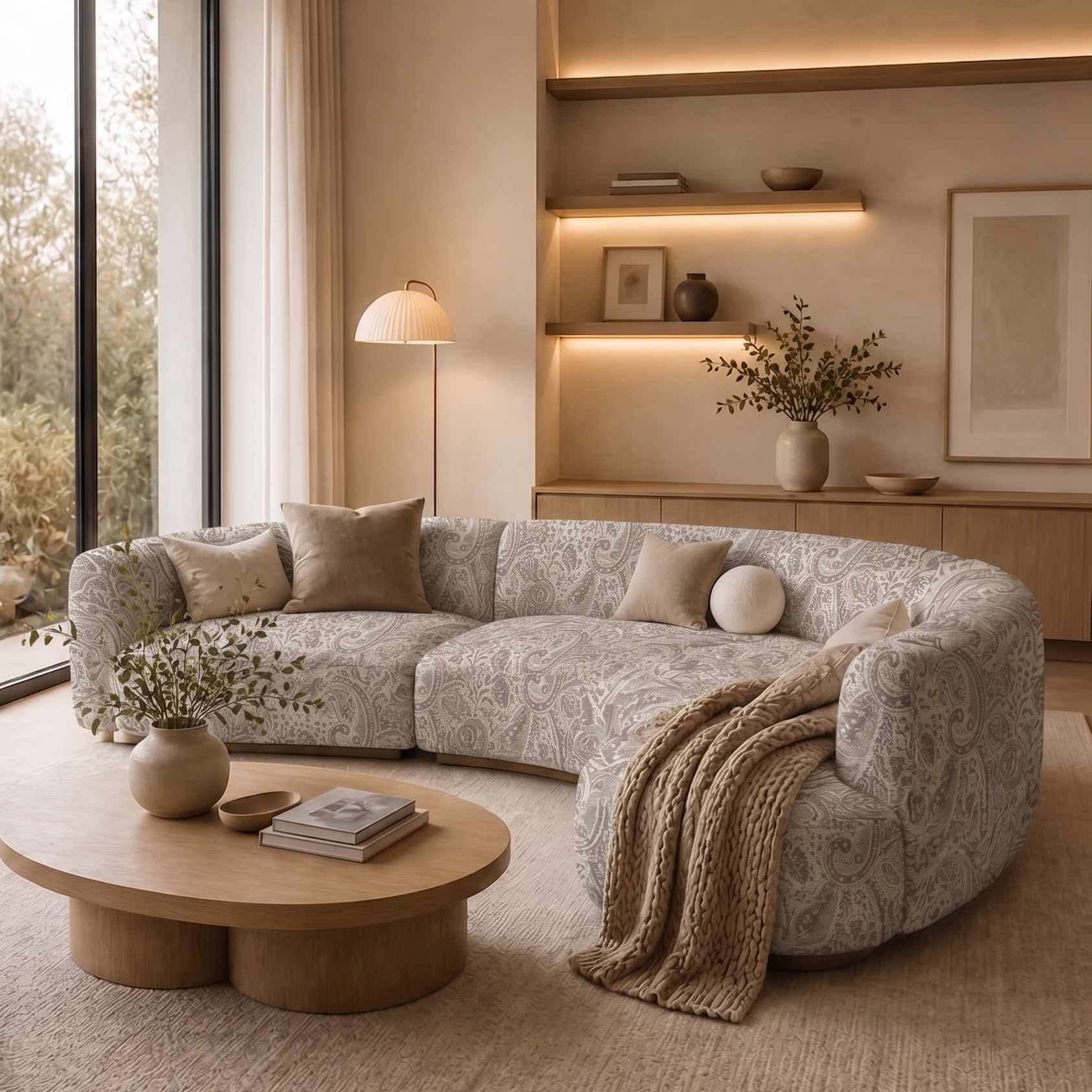
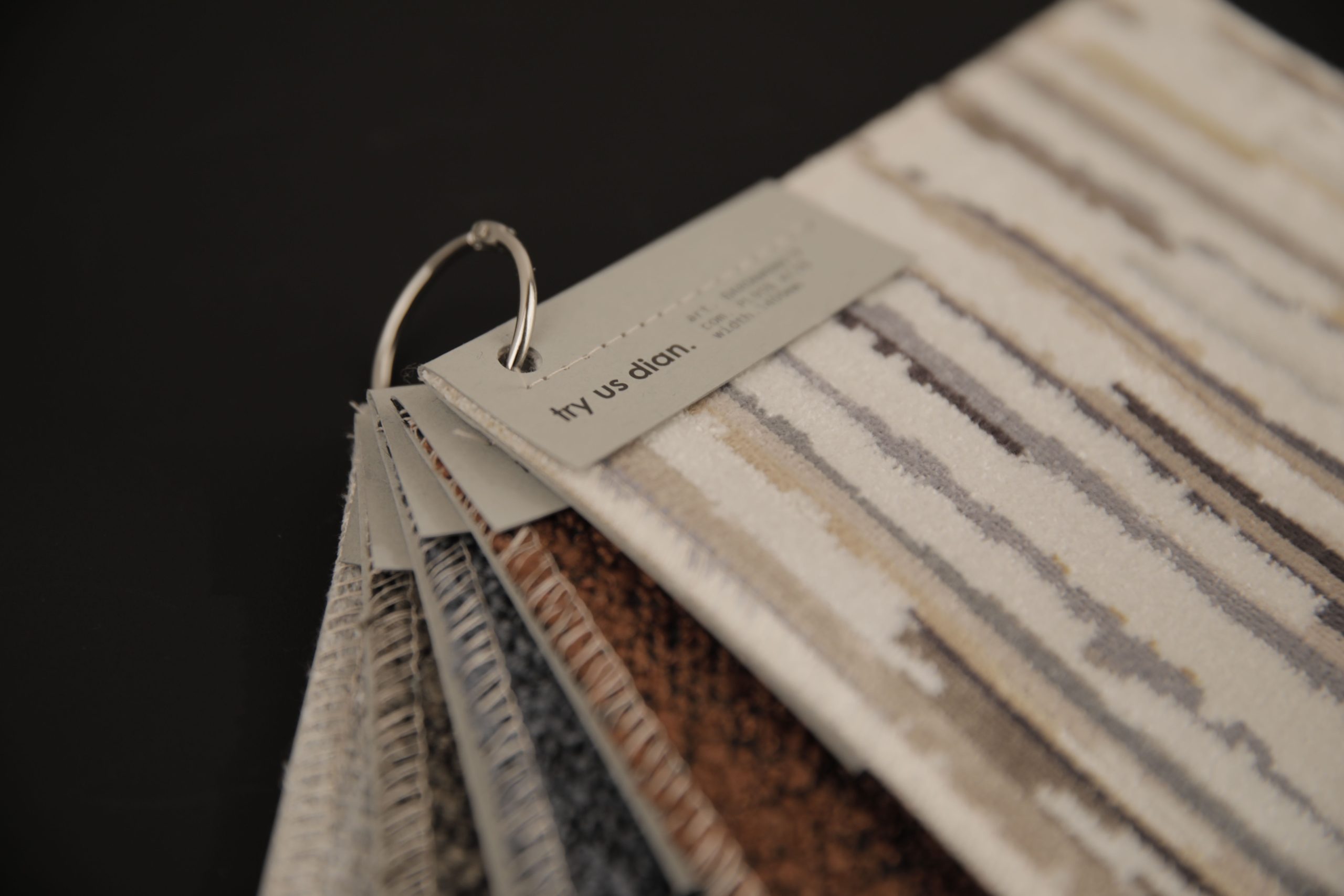
There's exactly one mill left in Korea that weaves saekdong. It's Dian, in Gongju, South Chungcheong Province. For forty years, the mill has made saekdong using yarn-dyeing, in which the thread is dyed before it's woven. Saekdong, the striped fabric used in children's clothing since the Goryeo dynasty, is counted among Korea's representative cultural symbols.
Dian's fabric spreads far beyond the mill itself. Furniture, bedding, and home-styling brands that need saekdong fabric naturally come to this mill, and Dian's fabric ends up woven into products all over as a result. Where the brands introduced earlier lay patterns or embroidery onto fabric, Dian is the one weaving that fabric from scratch in the first place. It's thanks to mills like this one surviving that saekdong, as a material, hasn't disappeared from this land.
"We make the oldest thing, and we propose the newest thing."
— Dian
As long as there are hands left that weave fabric from the very beginning, there's still room for a new pattern to settle on top of it.