Why It Matters
For a child, what touches them every day comes first
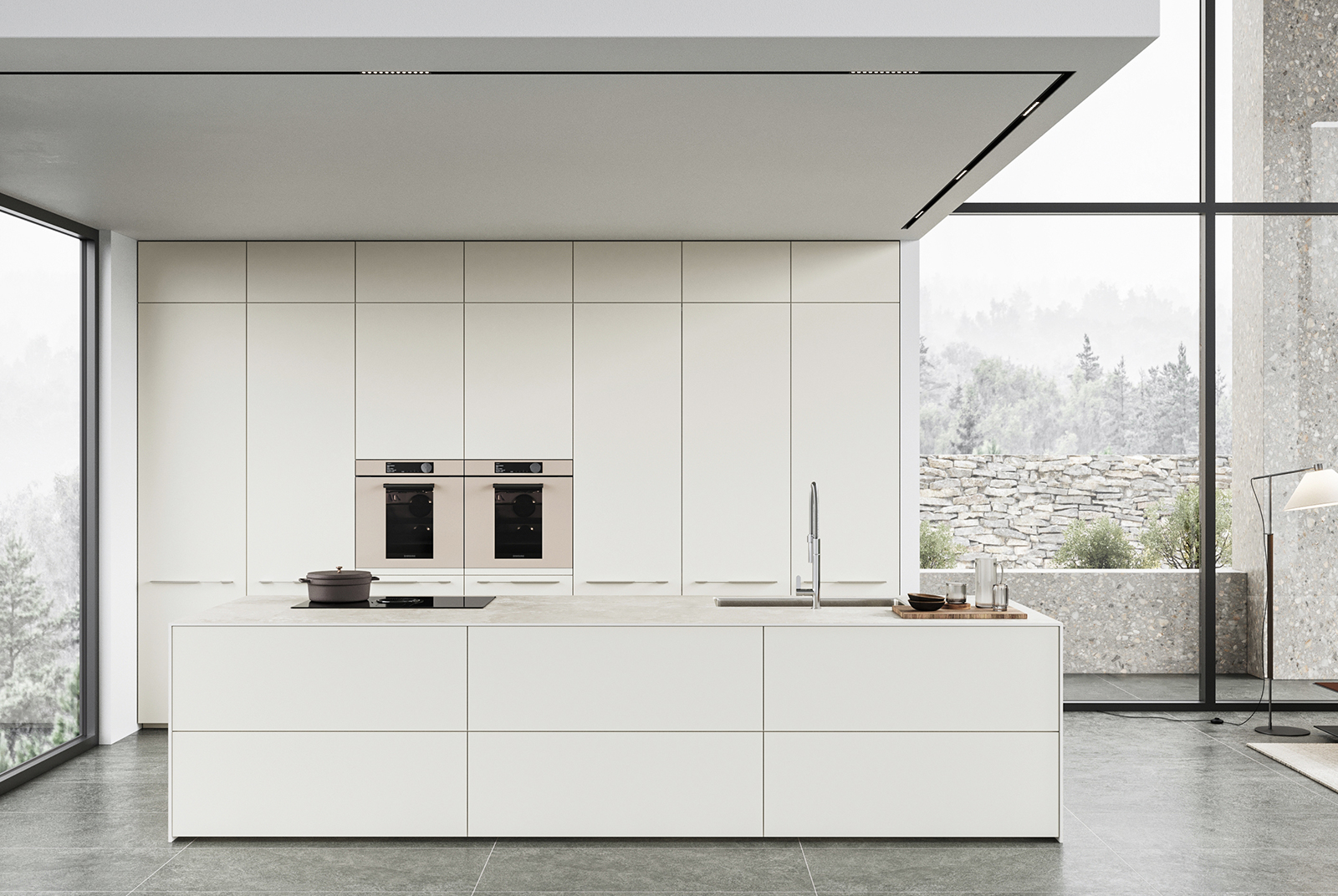
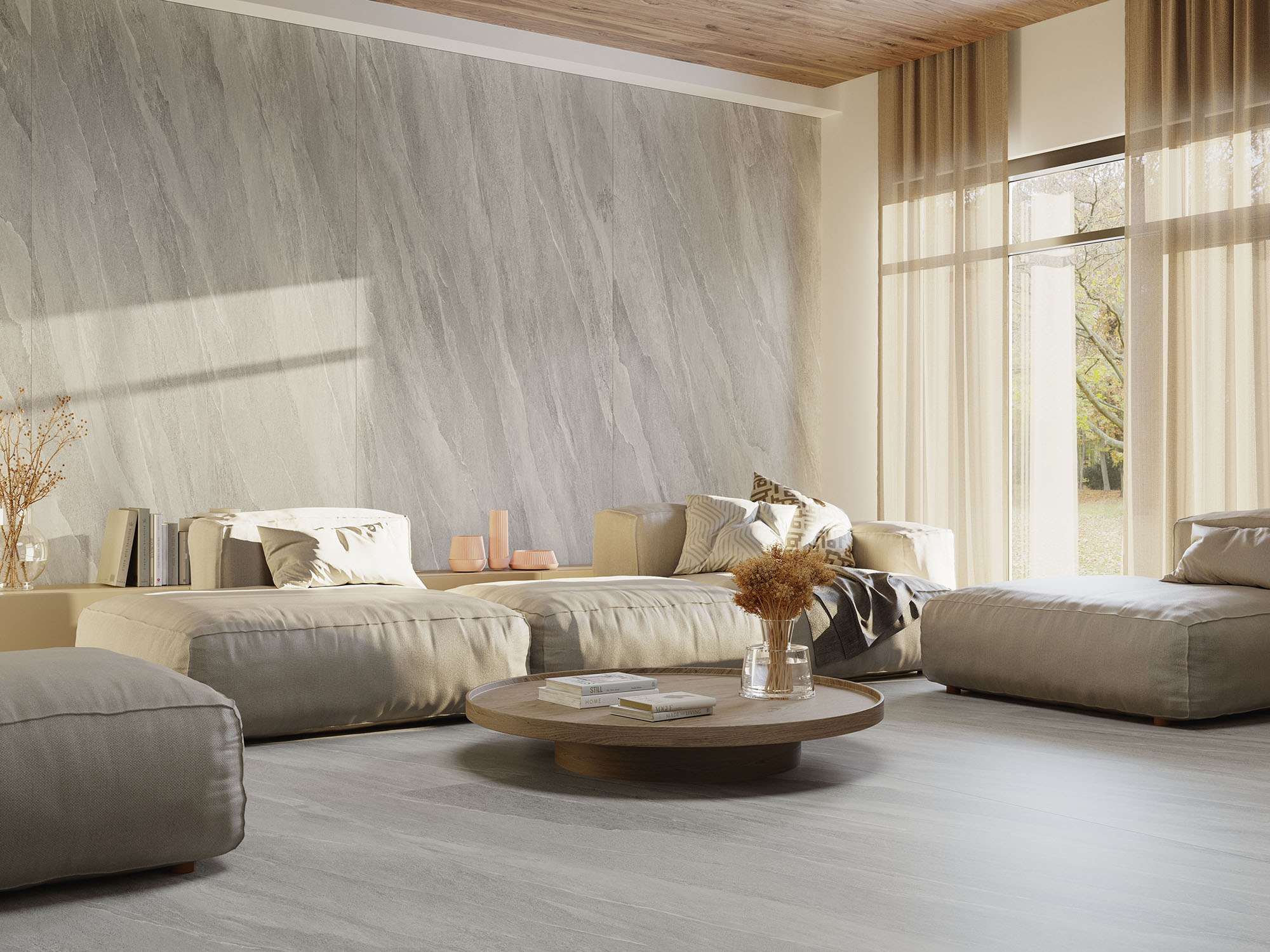
When choosing a home, adults look at layout and design first. But children spend far more time with their bodies pressed against floors and sofas than adults do, breathe faster, and come into contact with far more water. In a home with children, then, the safety of the water, air, finishes, and fabric that touch them every day matters more than the finish you can see.
The problem is that none of this is visible at a glance the way design is. Not just the water they drink, but the water they wash and rinse with, the air mixed with cooking fumes and fine dust, harmful substances released from walls, stains soaking into a sofa — a child's day is spent exposed to all four of these, around the clock. They may be invisible, but they act on health far more directly than design ever does.
That's why these materials should be chosen on ingredients, certification, and how they're maintained — not brand image. Test certificates for harmful substances, the filtration or sterilization method, and how easy something is to clean and replace are what the decision should rest on. Here are four things worth reconsidering in a home where children live: water, air, finish, and fabric.
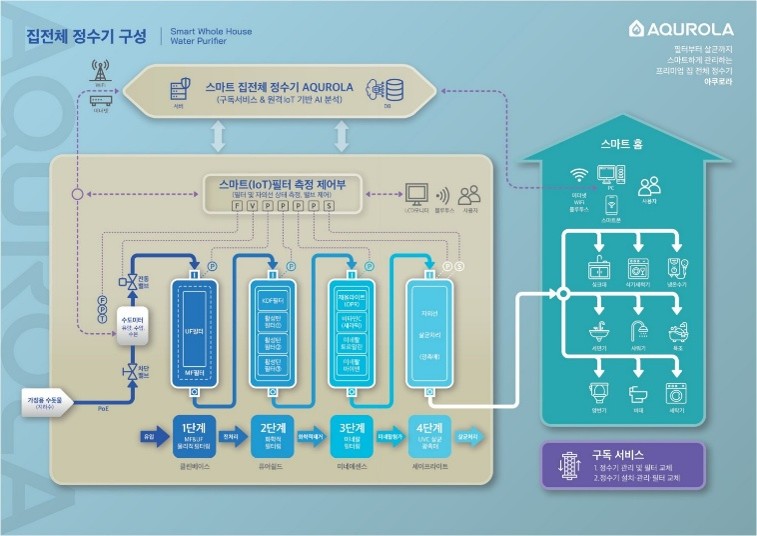
Is clean drinking water really enough?
Whole-Home Filtration
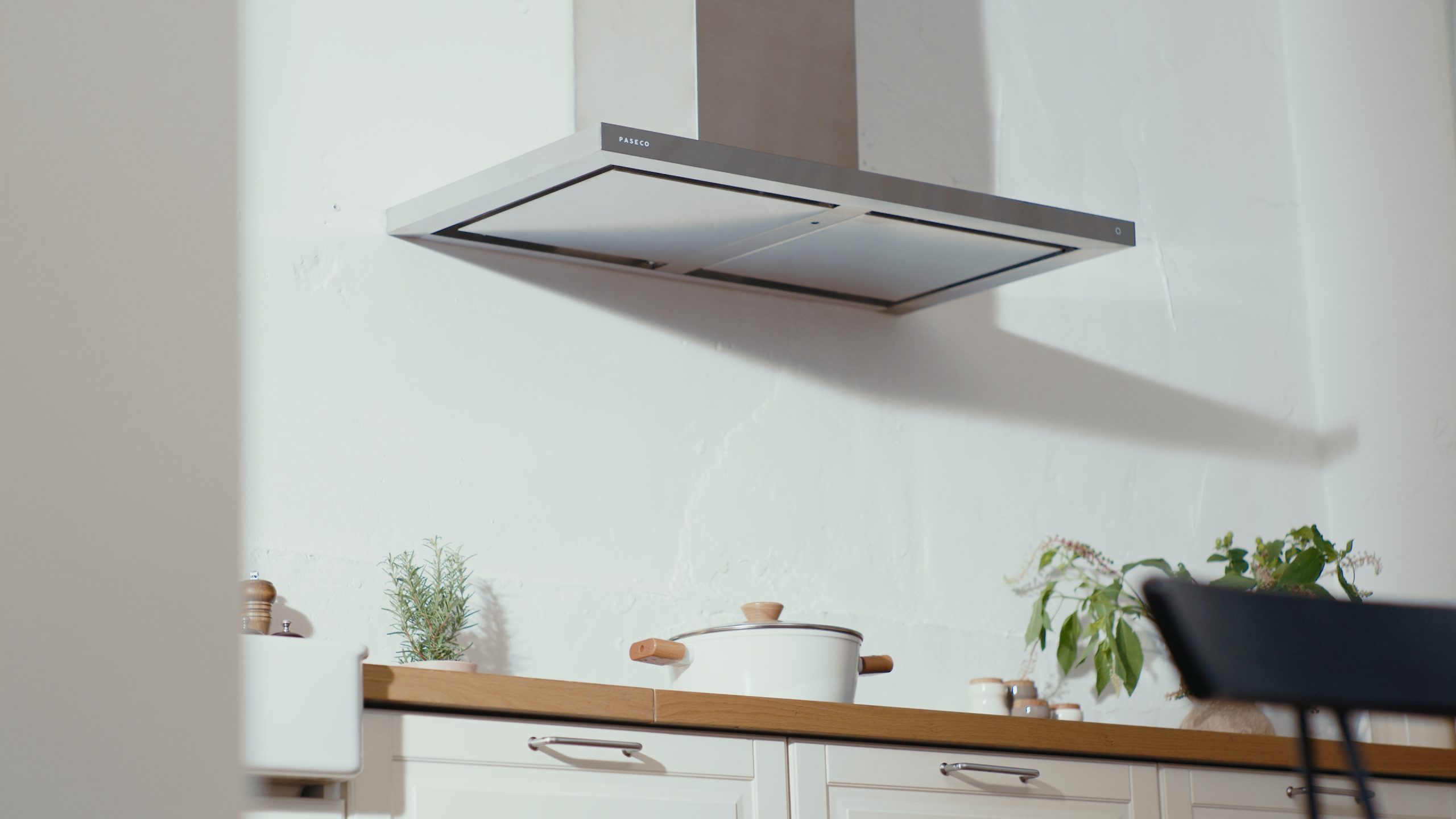
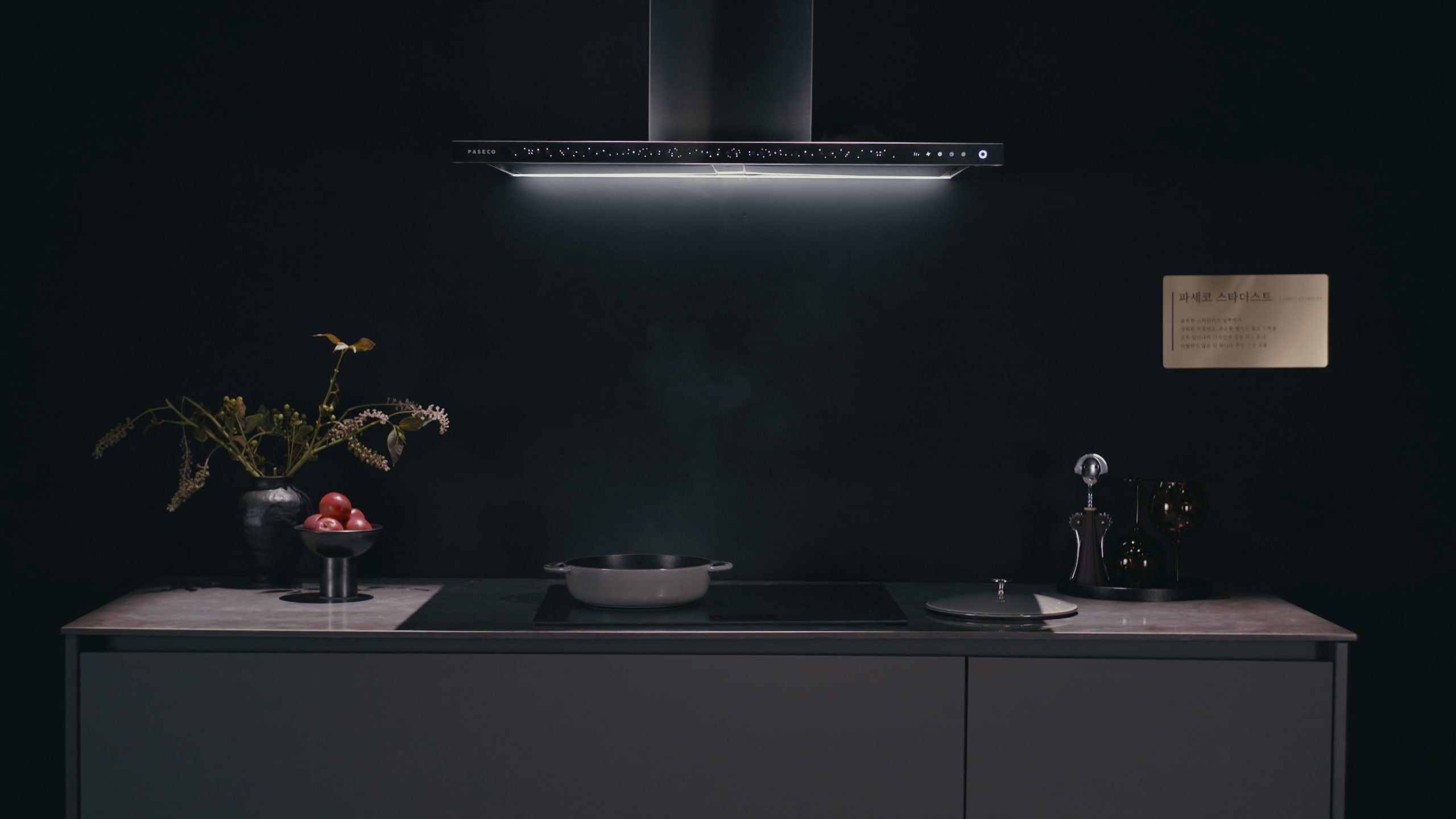
The moment you start cooking, the air in the house changes
Kitchen Air
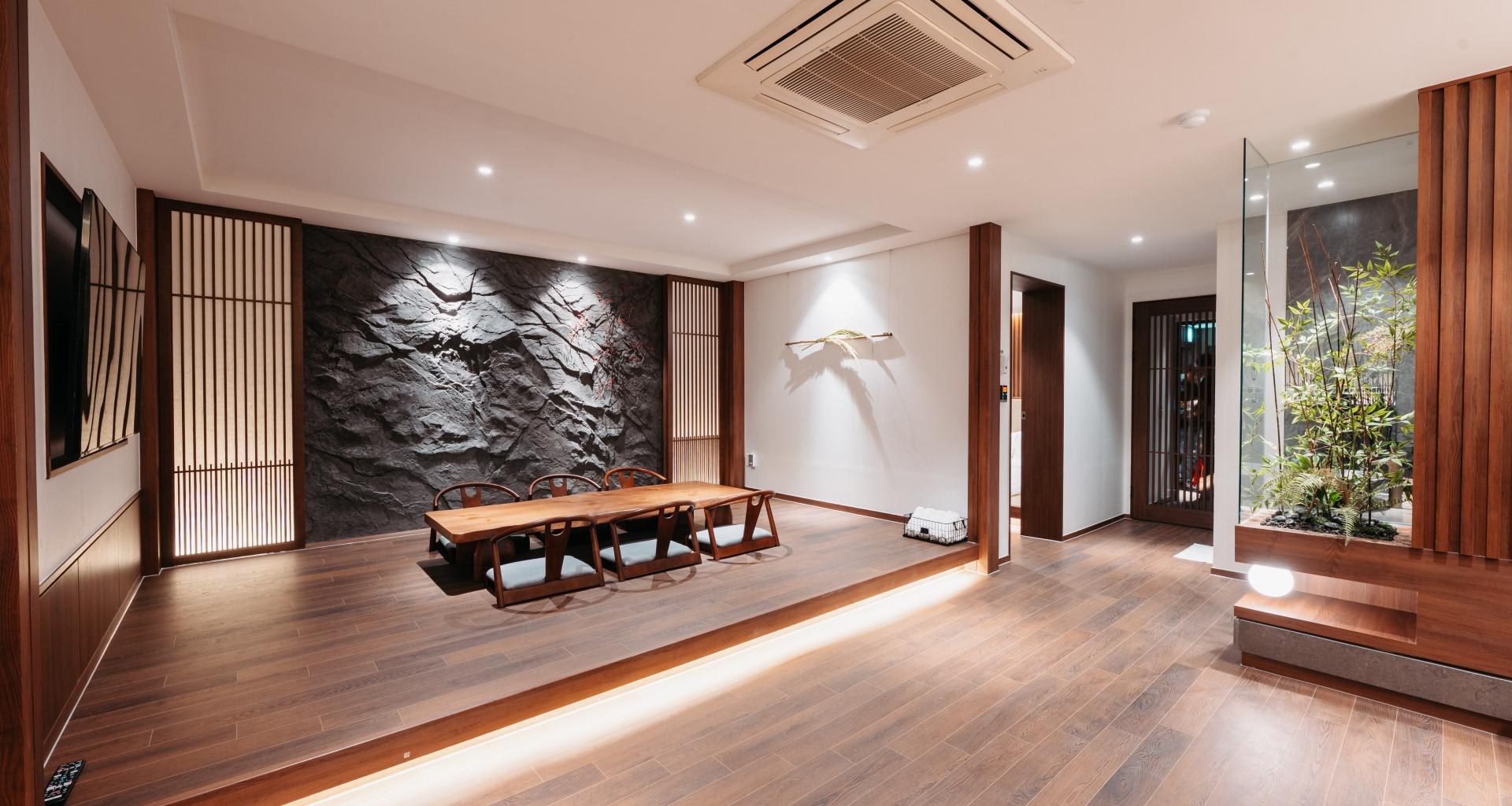
When walls can breathe, the air changes
Clay Finish
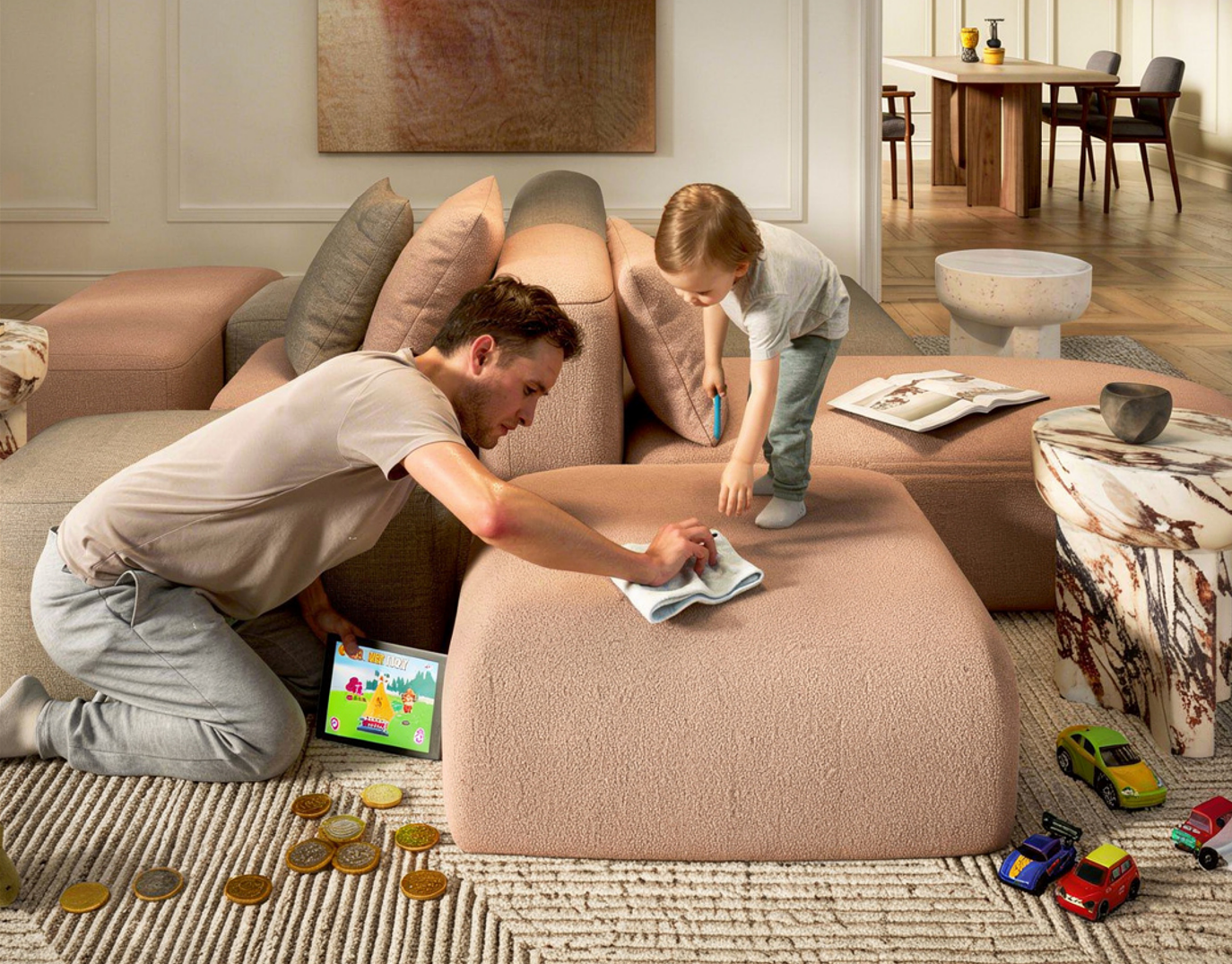
Even when a child spills, water wipes it away
Easy-Clean Fabric
Why You Need to See It in Person
What touches a child, you can only judge with your own hands
Whether the water really feels soft, how quiet a hood can be while still pulling strongly, what a clay wall actually feels and smells like, whether a stain on the fabric really does wipe off with water — you only know once you've touched it and checked for yourself. KOREA BUILD is the place where people building homes for children can compare all four of these in person, in one spot.