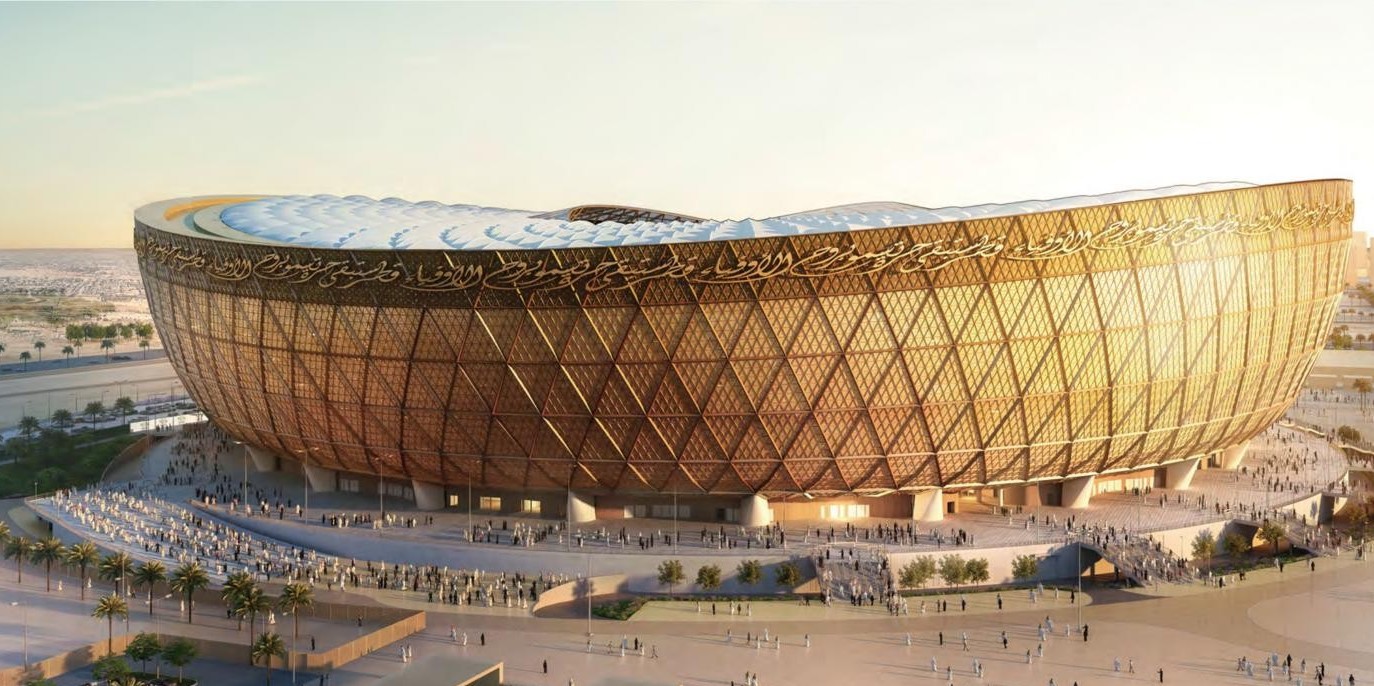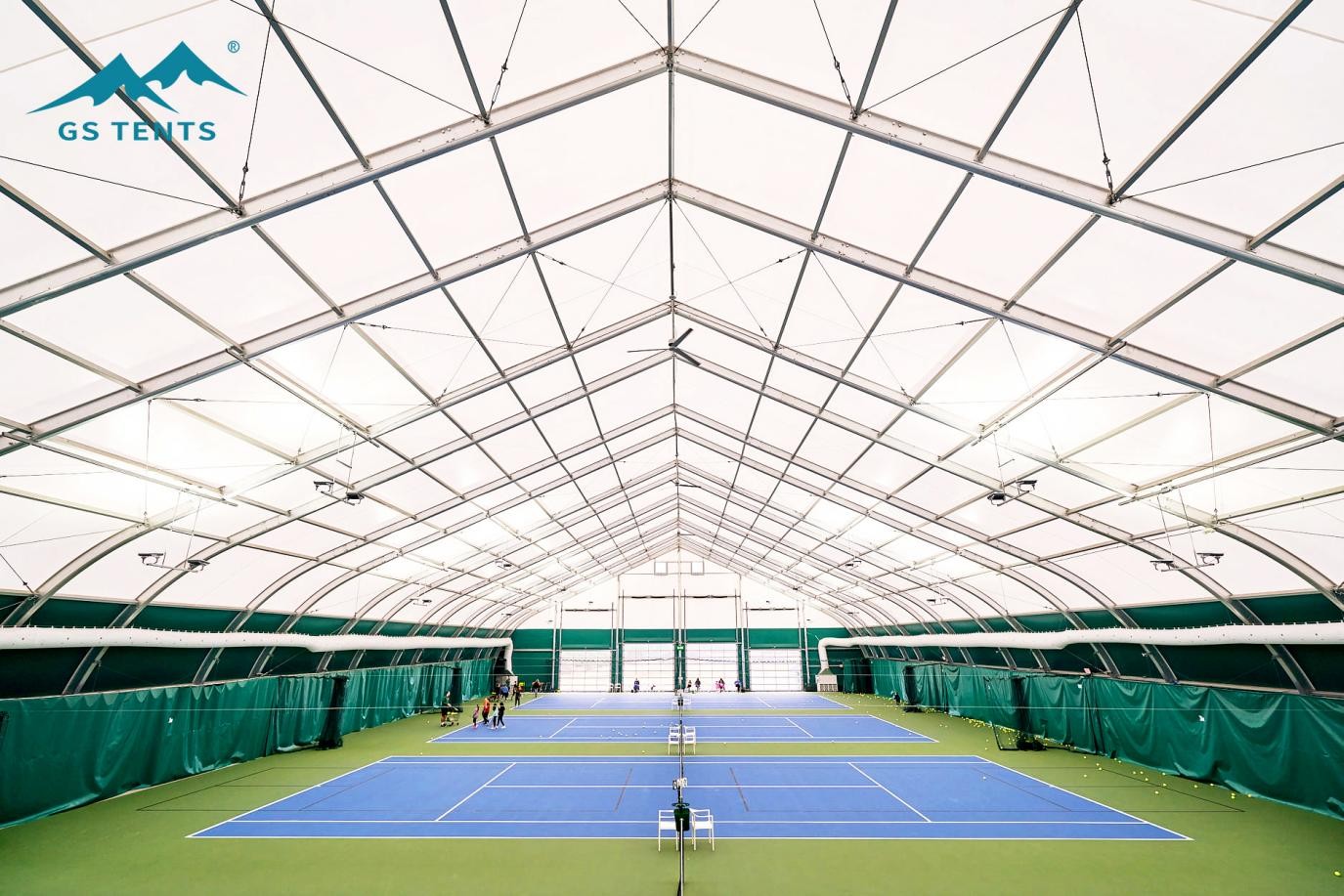
When large column-free spaces need to be covered — such as sports stadiums or large warehouses — air-supported domes offer an alternative. Because the membrane is supported by internal air pressure, they can be built more quickly and with lower initial investment than conventional steel structures, and they can also be dismantled and reinstalled when needed. In actual operation, however, the key questions are whether the structure can withstand severe weather such as snow and wind, and how long it can remain safely in service. GS TENTS, a brand of Gaoshan Tent Manufacture (Shenyang) Co., Ltd. in Liaoning Province, China, is a tent and air-dome manufacturer focused on these issues. Founded in Shenyang in 2003, the company has designed and manufactured aluminum-frame tents and air-supported domes, handling the entire R&D and design process in-house. Its flagship air domes operate through a combination of membrane materials, an air-supply system, and cables. GS TENTS applies a self-cleaning function to the membrane to prevent debris from accumulating on the surface and help maintain structural stability even in severe weather such as heavy snow. Internal pressure is automatically managed by an intelligent air-supply system that uses AI-based pressure control. The structures can also be installed on irregular terrain such as landfill sites or on narrow, elongated plots, making them relatively adaptable to challenging site conditions.
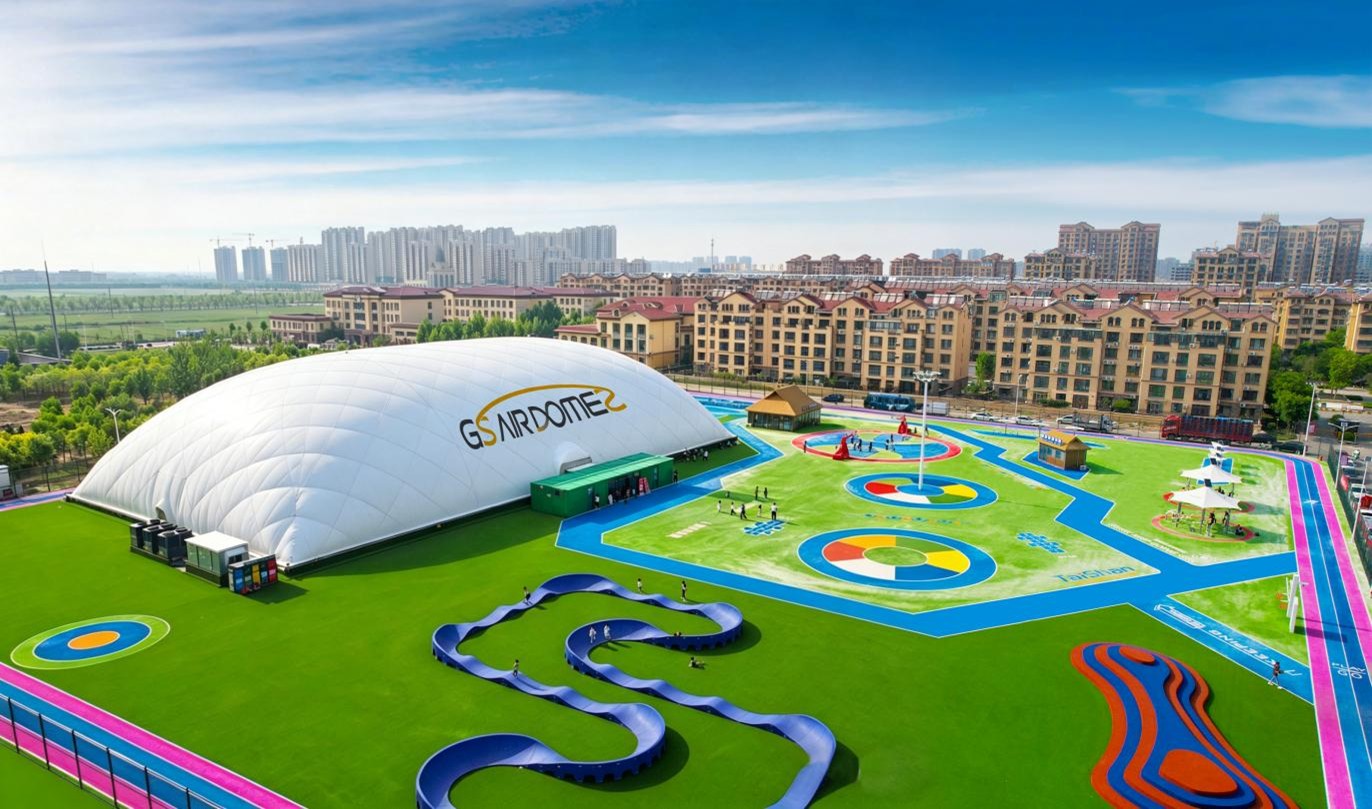
The range of applications is broad, spanning sports facilities such as football fields, tennis courts, and swimming pools, as well as environmental facilities, large exhibition venues, warehouses, and temporary structures. Because large spaces can be erected and removed according to seasonal needs or event schedules, air domes are particularly useful where permanent construction would be costly or impractical. The safety of membrane structures depends heavily on materials and standards. GS TENTS states that its products comply with EN 13501-1, the European classification standard for reaction to fire, as well as CE, SGS, and ISO requirements. EN 13501-1 classifies how construction materials react when exposed to fire, making it especially important for membranes covering sports and exhibition spaces where large numbers of people gather. The company also holds patents related to membrane materials and designs its structures for a service life of 30 years. Air-supported domes are increasingly becoming a mainstream option for covering large spaces across sports, logistics, and exhibitions. The real issue is not simply low cost, but how reliably these structures can protect spaces occupied by people from severe weather and fire over the long term. That is why GS TENTS has placed such emphasis on materials and standards, from self-cleaning membranes to fire-reaction classifications.