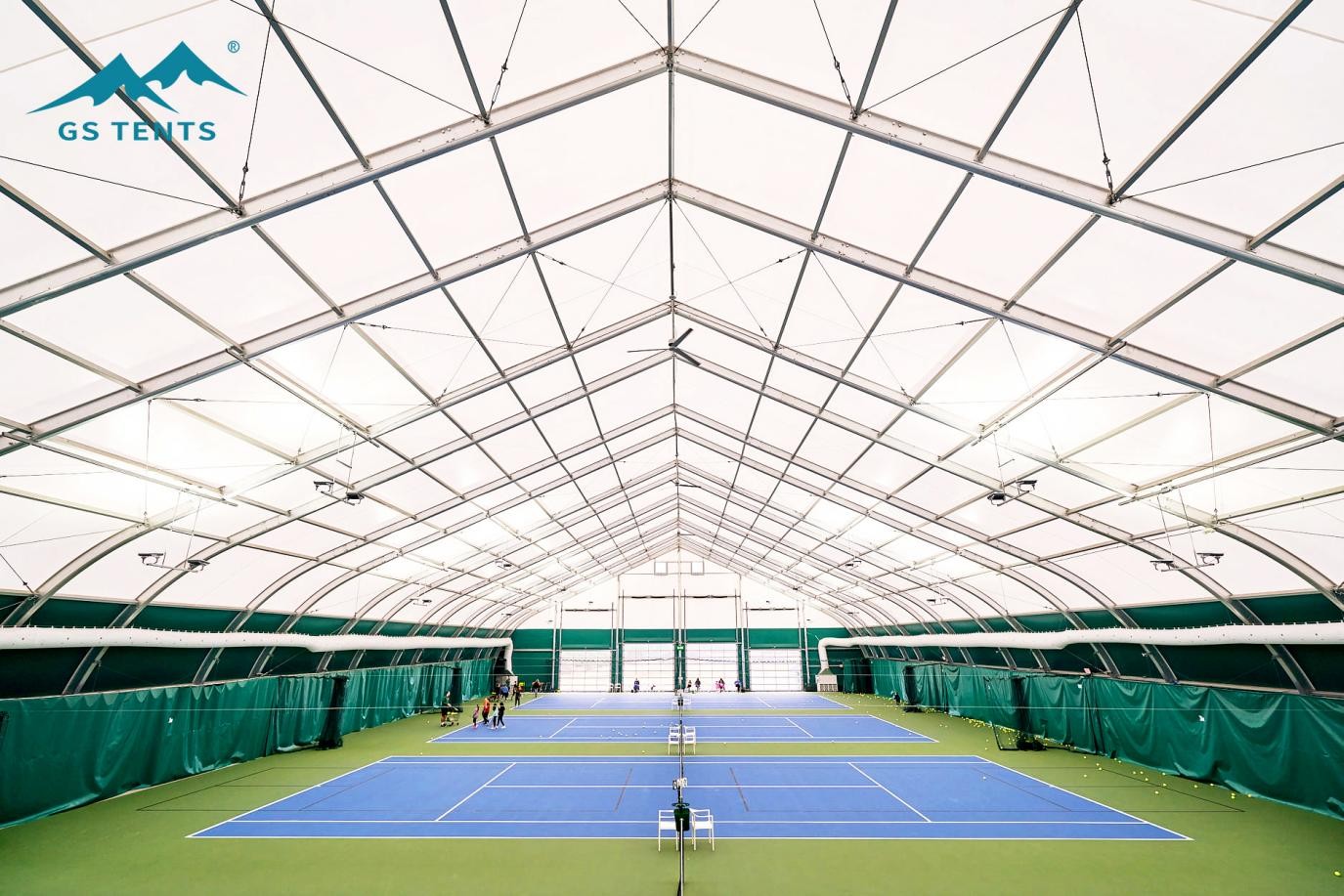
In architecture that requires vast column-free spaces — such as supertall towers, large stadiums, and airports — steel structures form the building’s skeleton. Lighter than concrete and capable of being precisely fabricated in factories, steel is widely used to create large spans and complex geometries. Landmark-scale projects, however, demand more than fabrication alone. They require integrated capabilities across design, manufacturing, and construction, as well as the ability to meet different construction standards in different countries. Zhejiang Jinggong Steel Structure, based in Zhejiang Province, China, is a steel-structure company that has built those capabilities.
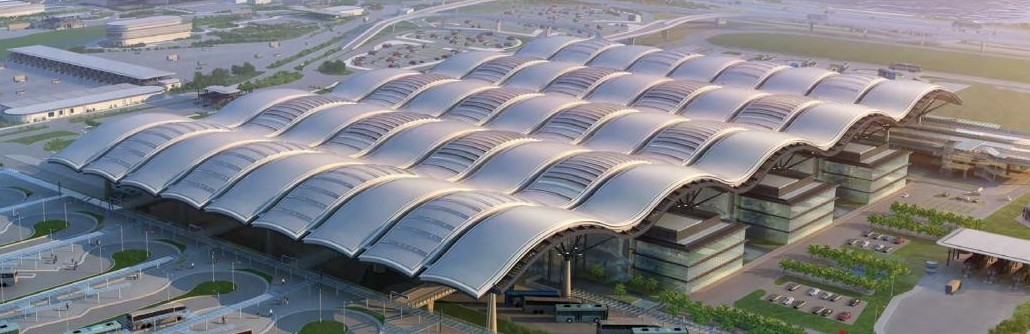
Founded in 1999 and headquartered in Shaoxing, Zhejiang Province, Jinggong is a core company in the public-building division of listed company Changjiang Jinggong. Its operations span steel-structure design, R&D, manufacturing, and construction. The company operates multiple production bases in China as well as overseas market hubs, and has ranked first in China’s steel-structure production value for six consecutive years. Jinggong has also been shifting from specialist contracting toward EPC — engineering, procurement, and construction. Steel-structure projects require close coordination between design, component fabrication, and on-site construction, and errors can easily accumulate from one stage to the next. By placing the entire process under a single company, the EPC model aims to reduce coordination costs between stages and minimize construction errors.
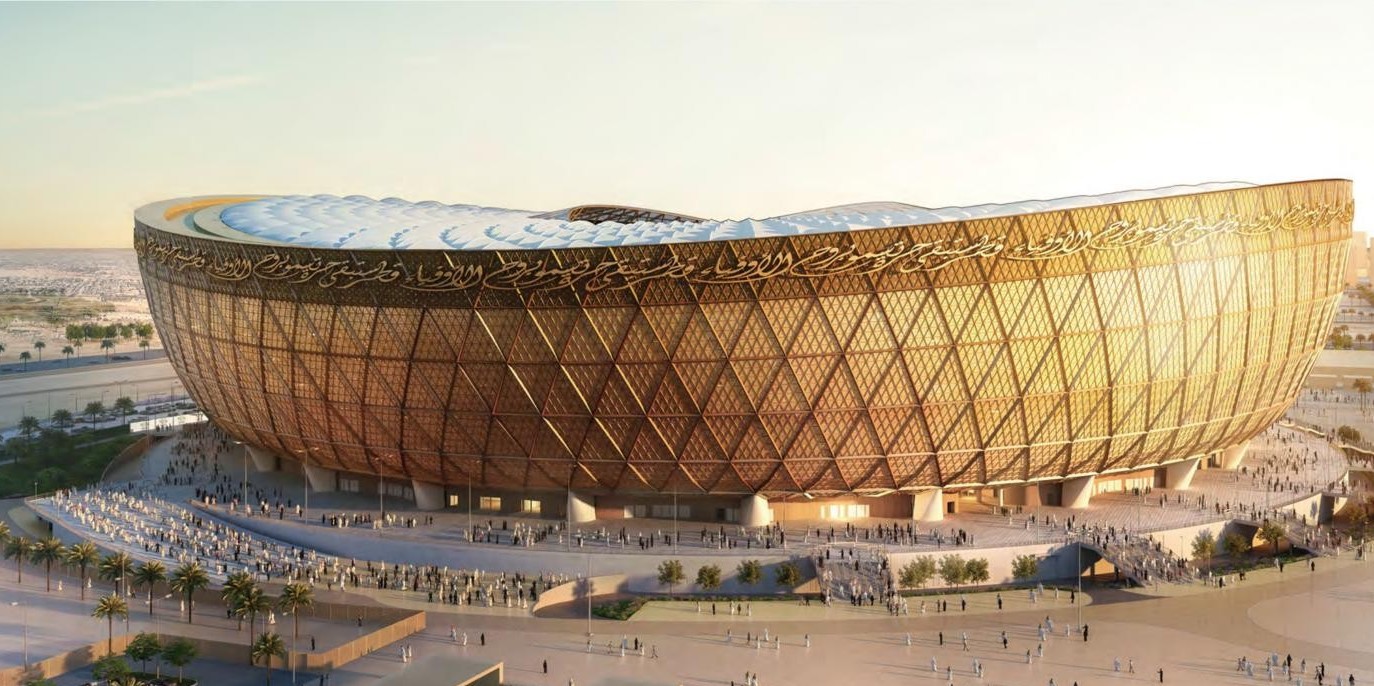
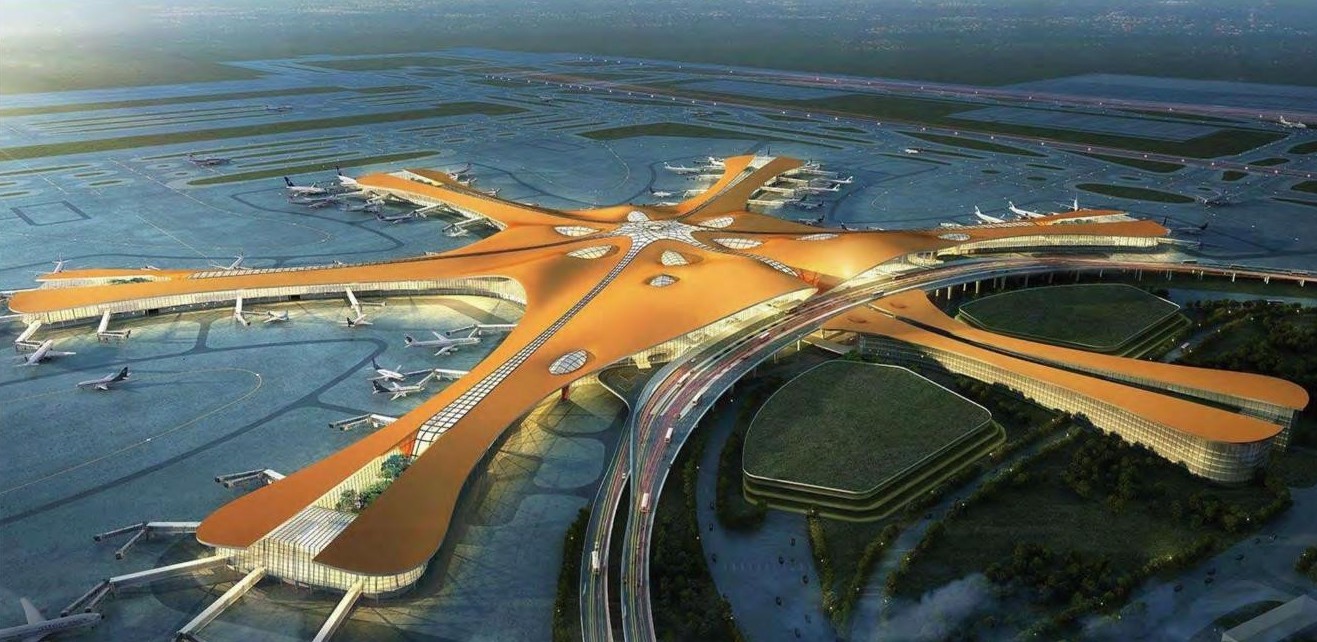
Its project portfolio includes major landmarks in China and abroad. Jinggong participated in the construction of Lusail Stadium for the 2022 FIFA World Cup in Qatar, while its subsidiary Jinggong Steel International is responsible for the primary steel structure of Jeddah Tower in Saudi Arabia, which is being developed as the world’s tallest building. Its track record also includes Beijing Daxing International Airport and Beijing National Stadium, known as the Bird’s Nest. Large-span roofs and supertall structural frames are representative applications of steel structures, and the company says it has carried out projects in more than 50 countries worldwide.
Low carbon and digitalization are now major themes in the steel-structure industry. Prefabrication, in which structural components are manufactured in factories and assembled on site, helps reduce wet construction work, construction waste, project duration, and labor requirements. Alongside prefabrication, Jinggong promotes a BIM-based digital platform that manages components from production and transportation through to construction progress. The approach connects design data directly with fabrication and construction to reduce errors and design changes.
In Korea, demand is also growing for steel structures and prefabricated construction as more logistics centers, large stadiums, and data centers require wide spaces to be built quickly. As large-scale and supertall construction expands and low-carbon and safety standards become more stringent, the role of steel-structure companies capable of managing everything from design through construction is likely to grow as well.