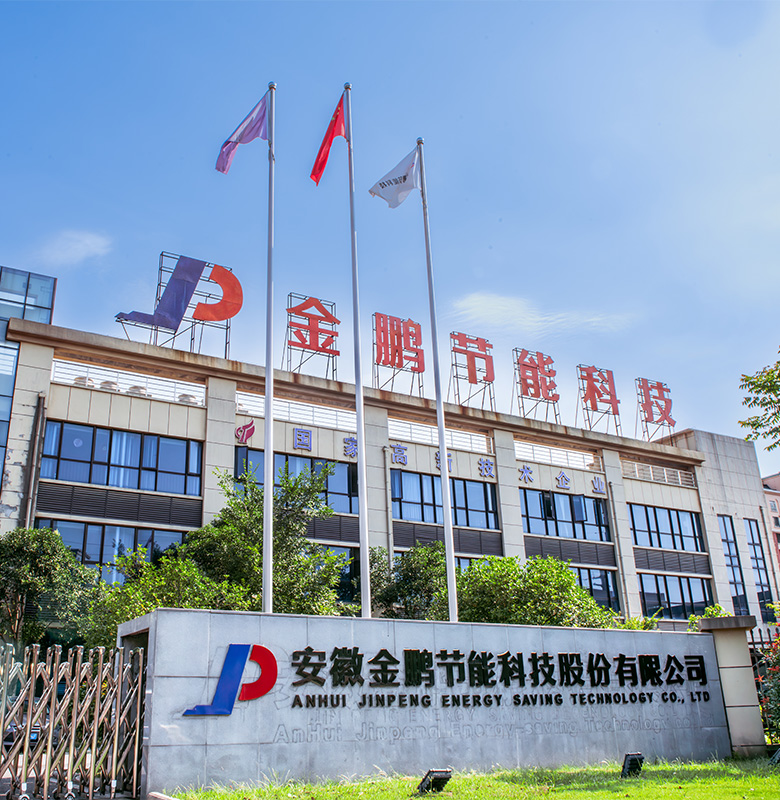
Building windows sit at the intersection of two major regulations: fire safety and energy efficiency. In a fire, they are required to help slow the spread of flames and smoke; in everyday use, they must provide sufficient insulation to reduce heating and cooling loads. Anhui Jinpeng Energy Saving Technology, based in Anhui Province, China, manufactures window systems designed to address both requirements. Founded in 1993, Anhui Jinpeng has produced aluminum and PVC window and door systems under the brand name JPSUN (金鹏阳光). The company operates five production bases in Anhui Province with an annual production capacity of approximately 3 million square meters and has been designated a National High-Tech Enterprise in China.
One of its core product categories is fire-resistant glass and aluminum fire-rated windows. Fire-rated windows are designed to keep the frame and glazing in place for a specified period during a fire, helping contain flames and smoke. Because this performance is directly linked to securing evacuation time, countries regulate such products through defined fire-resistance standards. Anhui Jinpeng states that its fire-rated windows have passed China’s national fire-integrity testing requirements. Its fire-resistant glass can also be specified with insulation ratings that help slow heat transfer in addition to blocking flames.
Another major category is system windows. A system window integrates profiles, glazing, hardware, gaskets, drainage components, and other elements within a standardized system. Anhui Jinpeng’s system windows typically combine thermal-break profiles with insulated glazing units, and the company has collaborated in this field with international brands including Schüco, Aluk, and YKK.
These products are used across residential, commercial, public, and industrial buildings. Anhui Jinpeng is also reported to hold relevant qualifications for the manufacture and installation of architectural windows and doors, along with in-house testing capabilities. As fire-safety regulations and building energy-efficiency standards become more stringent, windows are increasingly treated not simply as openings in a building envelope, but as performance components that must be tested and verified. Growing demand for suppliers capable of meeting both fire-resistance and thermal-performance requirements reflects the same shift.